


'Another very active fire season': Is B.C prepared for wildfires in 2026?


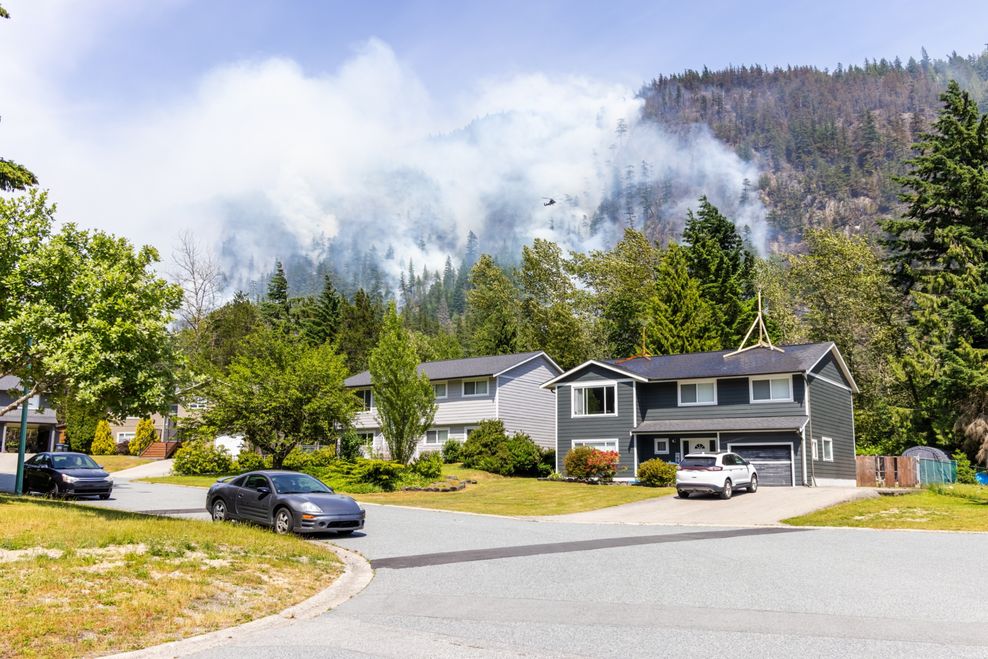
A wildfire expert is worried that B.C. might be heading towards its fourth consecutive bad wildfire season this summer.
Currently, much of Canada and B.C. are experiencing ongoing dryness and drought, Mike Flannigan, a research chair in predictive services, emergency management and fire science at Thompson Rivers University, explained.
Seasonal fire forecasts are also predicting a hot and dry summer, he added.
And we are also likely switching from a La Niña to an El Niño by summer — prime fire season — which generally results in hot and dry summers.
“Everything’s queuing up for another very active fire season,” he said.
The past three years were all particularly bad fire years, with nearly 900,000 hectares burned in 2025, nearly 1.1 million hectares in 2024, and a whopping 2.8 million hectares in 2023 — all above the ten-year average.
“We are due for a break. But the signs are that 2026 isn’t going to give us that break, so be prepared,” Flannigan said.
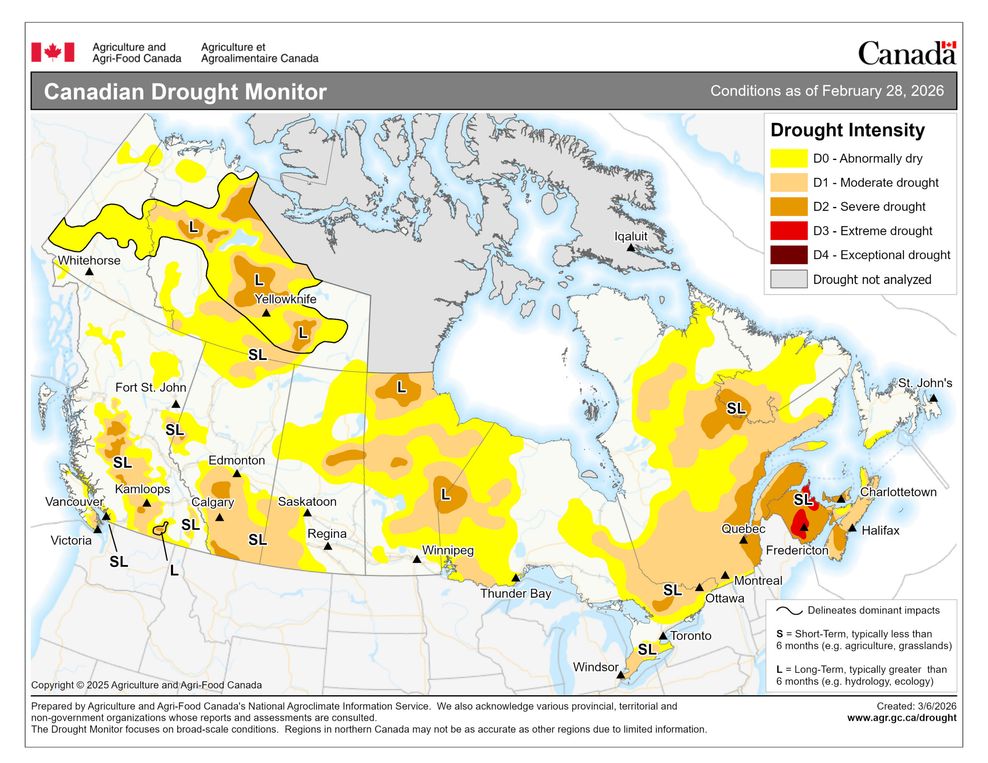
Government of Canada/Supplied
B.C. recently shared how it is preparing for the 2026 wildfire season, including improved recruitment, specialized training, and investment in new wildland firefighting equipment.
“With improved recruitment, including expanding First Nations bootcamps and extending the hiring period, a record number of approximately 2,400 firefighter applications have been received for seasonal positions,” reads a press release.
Flannigan said that the BC Wildfire Service (BCWS) is “doing all the right things.”
“It’s starting to train people. It’s getting equipment, crews and aviation resources lined up, and that’s great.”
But B.C. and Canada have a limited number of resources when it comes to fighting fires.
On an average summer day, Flannigan said that BC Wildfire Service has a 95 per cent success rate at putting out fires.
But fire is all about extremes, and just three per cent of fires account for 97 per cent of the area burned.
The issue is when there’s a particularly hot, dry, windy day, with multiple fire starts.
“And we’re seeing more and more of them, because our climate is changing and we’re getting hotter and drier fire seasons,” Flannigan said. “We don’t have enough resources to handle those surges.”
There’s usually a window — sometimes only 20 or 30 minutes — to put the fire out. But without enough crews or resources to put it out, that fire can escape and get out of control.
Flannigan warned that these fire surges are “our new reality.” From 2017 to 2025, more land area burned than from 1950 to 2016.
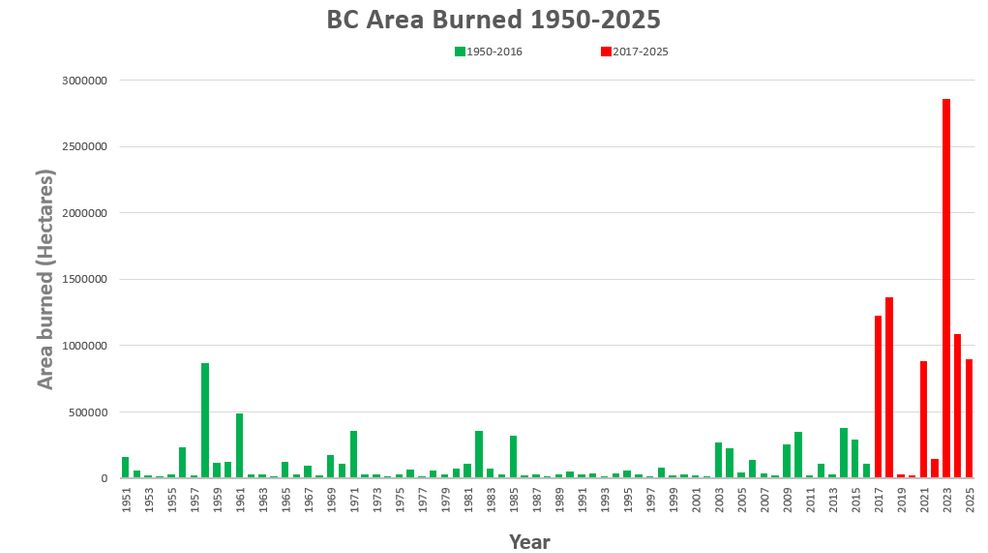
Graph of annual area burned in B.C. from 1950 to 2025. Mike Flannigan/Supplied
“It’s a trajectory, and we’re going to see more and more fire. More and more extreme fire weather days. More, what we call pyrocumulonimbus — fire-generated thunderstorms. And we’re going to see more fire and smoke. Unfortunately, we’re going to see more communities impacted.”
What should we do?
Flannigan thinks the Canadian government should create a Federal Emergency Management Agency to handle floods and fires. While the last federal budget included more funding for the Interagency Forest Fire Centre to contract water bombers during fire surges, he said this is a “small step.”
Forest management is also important. Because forest fires are natural to B.C., Flannigan said the province should “let mother nature play its natural role as much as humanly possible,” especially in the fall with autumn rains and snows expected. (In May or June, he said they might want to put fires out since the fire has all summer to burn).
If a fire isn’t threatening any communities or critical infrastructure, it can be beneficial to the environment to let it burn (for example, it can help burn off mountain pine beetle, which was responsible for the loss of millions of hectares of pine forest in B.C. in the 2000s).
He added that he would like to see more prescribed burning, though he caveated that it causes smoke and “there’s no such thing as good smoke.”
Individuals also play a role in the wildfire reality, with about 40 per cent of B.C. fires started by people. It’s important that people are cautious with fire and observe fire bans when in effect.
If someone sees a fire, they should also report it right away, either on the BC Wildfire Service app or by calling *5555 from a cell phone.