

Is Canada quietly launching a 'Trump-style deportation machine' with Bill C-2?


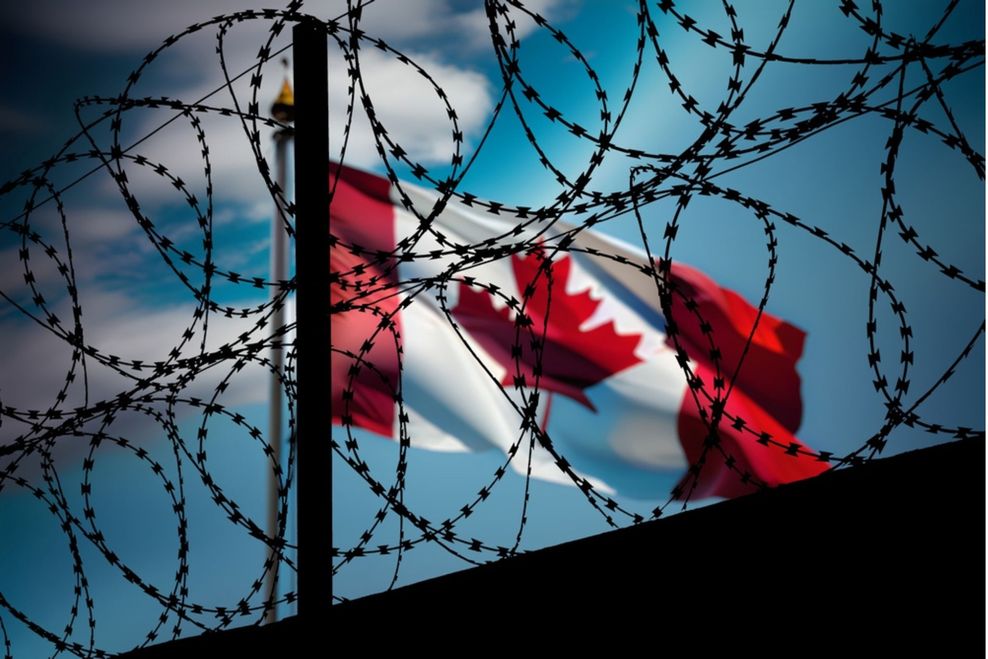
Earlier in June, the federal government in Canada introduced Bill C-2, legislation that proposes sweeping reforms on border security.
According to Public Safety Canada, the Strong Borders Act will help “keep Canadians safe” by giving law enforcement more tools to keep the border secure, combat organized crime, stop the flow of illegal fentanyl, and crack down on money laundering.
However, human rights organizations across Canada are sounding the alarm on Bill C-2, calling it an attack on refugees and migrants.
“It’s anti-immigrant, anti-refugee, and has very little to do with the border,” Syed Hussan, executive director of Migrant Workers Alliance for Change, told Daily Hive.
He says it’s telling that this is one of the first major bills Prime Minister Mark Carney’s government is introducing.
“Carney is not trying to distinguish himself from [U.S. President Donald Trump], but rather really copying the Trump playbook, giving himself the powers to then eventually be able to do what Trump is doing today.”

Harrison Ha/Shutterstock
If you’re endlessly doom-scrolling on social media, you may have seen clips of U.S. Immigration and Customs Enforcement (ICE) conducting deportation raids at schools, workplaces, and even courtrooms as instructed by the Trump administration.
Americans across the U.S. have taken to the streets to protest the White House’s crackdown on immigration. Human rights organizations in Canada fear that Bill C-2 could lead the country down the same path as our neighbours to the south.
Here’s how the Strong Borders Act could actually impact immigrants.
Bill C-2 changes that could affect immigrants
The legislation proposes amendments to several laws, including the Immigration and Refugee Protection Act and the Department of Citizenship and Immigration Act.
Human rights organizations are particularly concerned about the following proposed changes to these laws:
- Giving Immigration, Refugees, and Citizenship Canada (IRCC) the authorization to share client information like identity, status, and immigration documentation with federal, provincial, and territorial partners
- Allow the development of regulations to share client information across federal departments “for the purpose of cooperation”
- Allow the government to cancel, suspend, or change groups of immigration documents immediately under matters of “public health or national security”
- Pause acceptance of new applications
- Pause or cancel the processing of applications already in the inventory
- Asylum claims made by people more than one year after first arriving in Canada after June 24, 2020, won’t be processed. This would apply to students and temporary residents, regardless of whether they left the country and returned
- Asylum claims from people who enter Canada from the U.S. along the land border between ports of entry and make a claim after 14 days won’t be processed
“Bill C-2 is a massive governmental overreach that will result in solidifying and expanding a deportation machine,” explained Hussan.
He says the amendments to “strengthen control over immigration documents” will allow the federal government to cancel, change, or suspend any and all immigration permits, like applications and permanent residency, without due process or the right of individual appeal and oversight.

AlpakaVideo/Shutterstock
In a press conference on Wednesday morning, a diverse coalition of 300 organizations, including the Migrant Rights Network, Oxfam Canada, and the Canadian Association of Refugee Lawyers, stated that Bill C-2 essentially blocks anyone who has been in Canada more than one year from seeking refugee status, even if their home country becomes dangerous.
They say that this is “fundamentally inconsistent with international humanitarian law.”
“Intentionally or not, Bill C-2 paints people escaping persecution and violence with the same brush as serious public safety concerns such as the flow of illegal fentanyl or weapons,” stated France-Isabelle Langlois, executive director of Amnesty International Canada francophone.
Migrant workers’ rights are also at risk.
“The bill allows unrestricted information sharing about migrants across all government levels,” stated the coalition. “Undocumented workers asserting labour rights could face deportation when employers report them to border enforcement.”
In addition to its implications for immigrants, the legislation could impact all Canadians, with concerns also surrounding digital privacy.
Ultimately, the organizations say this is all a “dangerous shift toward Trump-style anti-immigration polices and attacks on rights and freedoms of all residents.”
The IRCC told Daily Hive in an email statement that the federal government is managing “immigration deliberately to ensure a balanced, sustainable system,” citing its 2025 to 2027 plan to reduce both permanent and temporary resident targets.
“To make things clear: The measures announced in Bill C-2, are about protecting the integrity of our system while building a safer and more equitable Canada,” said an IRCC spokesperson. “Canada’s commitment to protecting those in need will continue to be upheld.”
They added that the proposed changes aim to make the asylum process more responsive, so that claims are processed quickly and effectively, while continuing to protect those in need.
Are mass deportations happening in Canada?

Aaron of L.A. Photography/Shutterstock
Hussan argues that the mass deportations that are visibly happening in the U.S. are already occurring in Canada.
“Three thousand study and work permits are expiring daily. There’s no way you don’t know someone who’s not going to lose their work or study permit this year,” he told Daily Hive.
The IRCC currently has 760,200 immigration applications in backlog, including 324,300 temporary residence and 391,000 permanent residence applications.
In September, The Globe and Mail reported that tens of thousands of international students who were working towards permanent residency could be forced to return home this year.
Hussan says deportations are happening in a “massive public way” in the U.S., which is why it’s getting media coverage. Whereas in Canada, he says deportations are being framed as immigration “caps and sustainability.”
Canadian organizations demand Bill C-2 withdrawal
The Migrant Workers Alliance, along with the coalition of 300 organizations in Canada, are calling on the federal government to withdraw the Strong Borders Act.
“This bill’s sweeping new powers to cancel immigration status without individual evaluation will force more people into conditions of abuse, exploitation, and even death,” stated Karen Cocq, spokesperson for the Migrant Rights Network, on Wednesday.
“Prime Minister Carney was elected on a promise of standing up to Trump, but his very first bill is the same scapegoating of migrants and refugees that we’ve witnessed south of the border.”
Hussan told Daily Hive that while the current government may promise not to use the legislation for “nefarious purposes,” there’s no guarantee that future authorities won’t use it once the law is passed.
Bill C-2 still needs to pass both the House of Commons and the Senate and receive Royal Assent before these changes can be implemented.
In the meantime, Hussan and other organizations are urging Canadians to sign a petition to prevent the legislation from becoming law and to contact their Member of Parliament. The organizations are also providing legal information to people whose permits are expiring.
Daily Hive has contacted the Prime Minister’s Office and the IRCC for comment on these criticisms. We will update this story when we receive a response.