

Canada is rolling out three major immigration changes in 2026


Canada announced several updates to its immigration system that are set to come into force in the new year.
Prime Minister Mark Carney’s government announced measures that would further tighten immigration policies in an attempt to bring the country’s temporary resident population to “sustainable levels.”
In 2026, Canada will see changes to immigration, including measures that will affect international students and certain individuals hoping to get Canadian citizenship.
Here’s how the country’s immigration rules are changing in 2026.
Canada to slash international student permits
Harrison Ha/Shutterstock
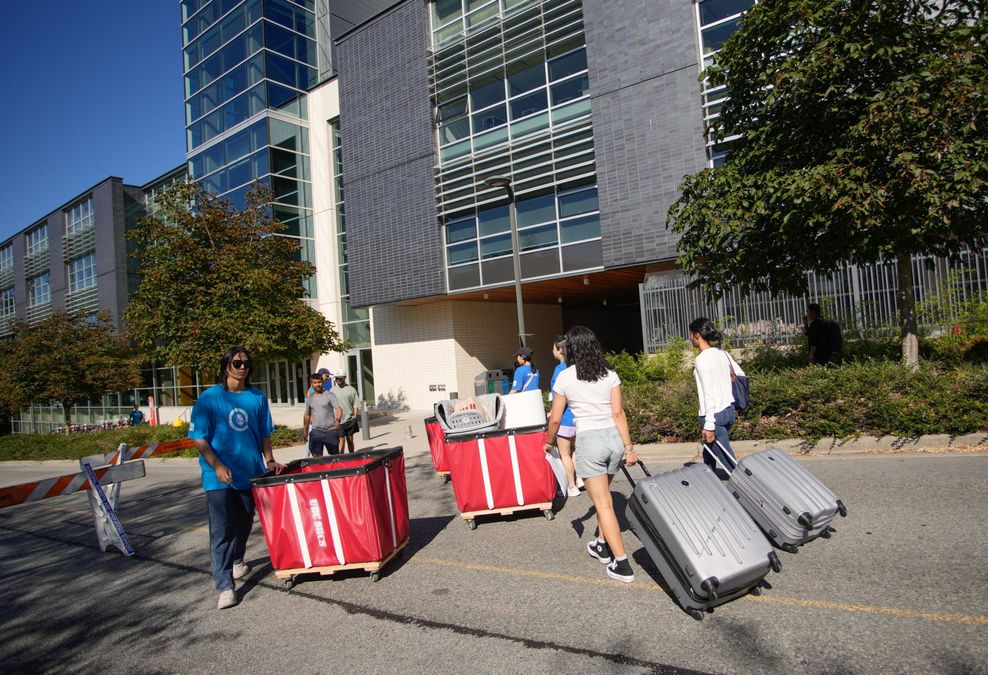
In November, the Government of Canada revealed that one way it’s tightening immigration policies is to dramatically cut the number of international student permits in half.
It will be more challenging for international students to get visas to study in Canada, according to the report that outlines the country’s new immigration plan.
Last year, the government had planned to issue 305,900 student permits in 2026 and 305,900 in 2027. However, projected numbers will see those drop by more than half, with the government planning to reduce the number of new student permits issued to 155,000 in 2026 and 150,000 in 2027. It also plans to issue only 150,000 study permits in 2028.
“We are taking back control over immigration in Canada and putting Canada back on a trajectory to bring immigration back to sustainable levels, allowing us to fulfil the promise of Canada to those who call it home,” Minister of Finance François-Philippe Champagne stated in November.
The Canadian government revealed how international student permits will be allocated under the new cap in December. Check to see which provinces will accept the most international students in 2026.
Canada to implement new Express Entry immigration category

AlpakaVideo/Shutterstock
In December, Ottawa announced new measures to fill “critical labour gaps” in Canada’s health-care system by making the path to permanent residence simpler for international doctors.
Immigration, Refugees and Citizenship Canada (IRCC) is creating a new Express Entry category for international doctors with at least one year of Canadian work experience in an eligible occupation, gained within the last three years.
The government explained that these doctors are already working in Canada and contributing to the country’s health-care system on a temporary basis. The new Express Entry category will provide international doctors with a clear pathway to permanent residence and fill gaps in the health-care workforce.
According to the IRCC, invitations to apply to this new category will be issued in early 2026.
New Canadian citizenship rule

lev radin/Shutterstock
Crucial legislation came into effect in December that will make it easier for more people to get Canadian citizenship next year.
After receiving royal assent on Nov. 20, Bill C-3, an Act to amend the Citizenship Act, officially kicked in on Monday, Dec. 15. Also known as the “Lost Canadians” legislation, the new law will extend Canadian citizenship by descent beyond the first generation.
Essentially, the new law will automatically give citizenship to anyone who would be a citizen today if not for the first-generation limit.
The first-generation limit prevents people who were born outside of Canada to a parent who was also born or adopted outside of Canada to a Canadian parent from automatically becoming a Canadian citizen.
Under Bill C-3, a Canadian parent born or adopted abroad will be able to pass citizenship onto their child born or adopted outside Canada on or after Dec. 15, 2025, provided they have a significant connection to Canada. That is demonstrated by at least 1,095 cumulative days (three years) of physical presence in Canada before their child’s birth or adoption.
Learn more about who’s eligible and how to apply.
With files from Irish Mae Silvestre