


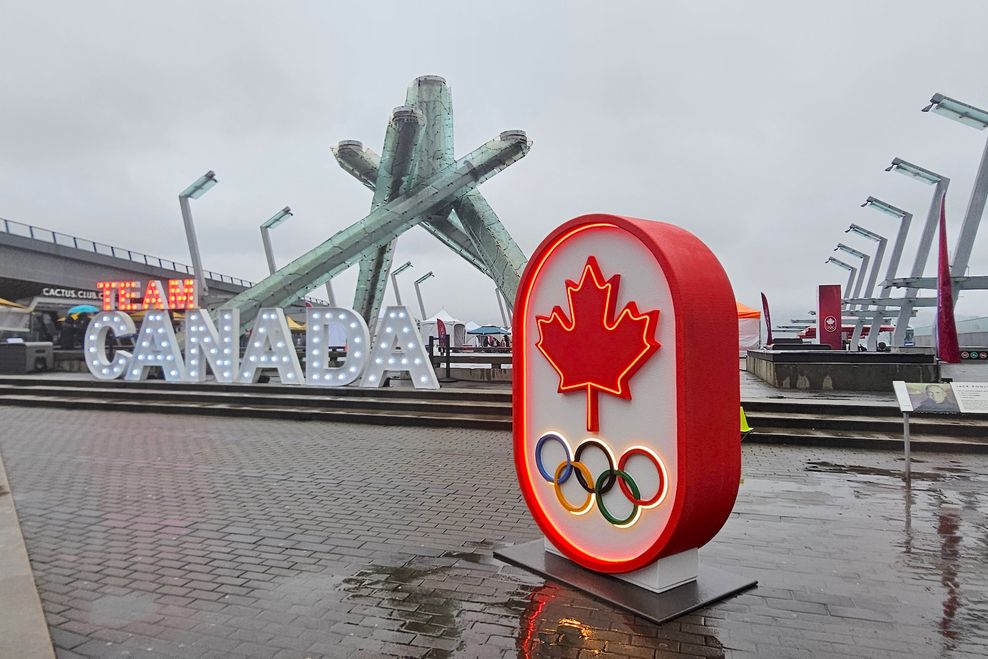
Canada does not just need things to work better, but it needs a reminder of what it feels like when the country moves in the same direction at once.
For more than a decade, since around 2015, the country has felt emotionally worn down. Politics has become more brittle and more divisive. Public trust feels thinner. The economy is weighed down by structural problems — productivity, housing affordability, living costs, jobs, investment climate and confidence, and economic growth — that make everyday life feel more like crisis management than progress.
Even when Canadians agree on what is wrong, there is a quieter, more unsettling question underneath it all: does the country still believe it can do big, ambitious things together and feel proud of the result?
That is exactly why Canada should bid for — and aim to win — the right to host the Olympics again.
Not just as a tourism and economic strategy and not because mega-events are automatically virtuous. Canada should host again because the Olympics are one of the very few rituals powerful enough to create something this country is currently short on: a genuine, shared national moment that cuts across regional, language, politics, and background.
- You might also like:
- Behind the secret project to build the Vancouver Olympic Cauldron
- How UBC is still benefitting from the Vancouver 2010 Olympics
- Then and now: Lasting physical legacies of the Vancouver 2010 Olympics (PHOTOS)
- 12 things proposed for the Vancouver 2010 Olympics that didn't happen
- Richmond Olympic Oval is a brimming example of a positive post-Games legacy (PHOTOS)
- Time lapse of BC Place's months-long Olympic Ceremonies transformation (VIDEO)
Countries do not run on spreadsheets alone. They run on belief. And right now, Canada could use a reminder of what it feels like to believe in itself.
When people think back to the Vancouver 2010 Winter Olympics, they often start with the medals, and for good reason.
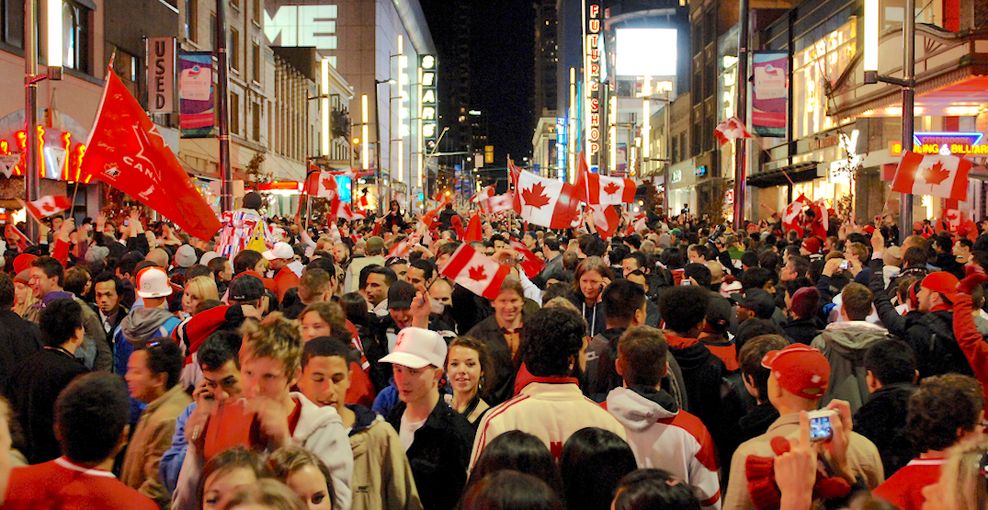
Crowds on Granville Street in downtown Vancouver during the 2010 Winter Olympics. (Sergei Bachlakov/Shutterstock)
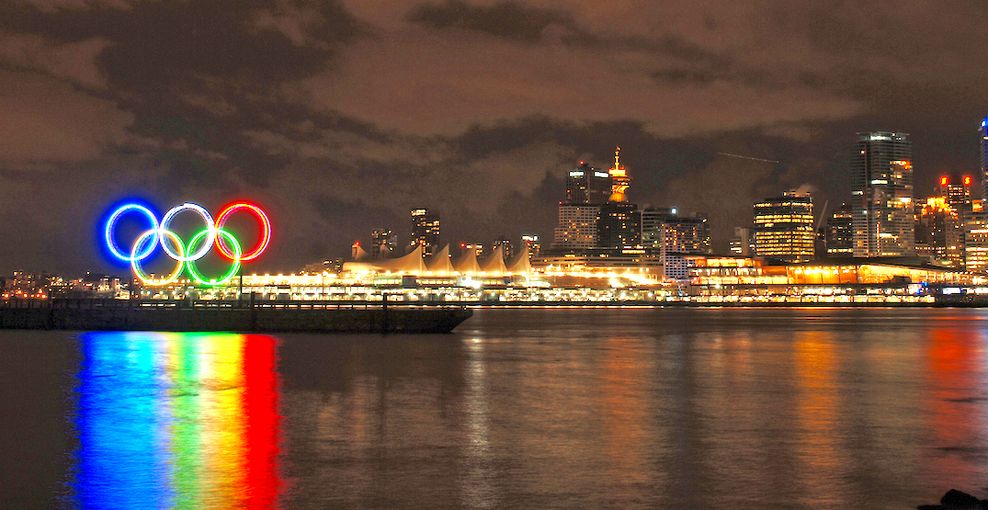
Olympic rings installation in Coal Harbour during the Vancouver 2010 Olympics. (Sergei Bachlakov/Shutterstock)
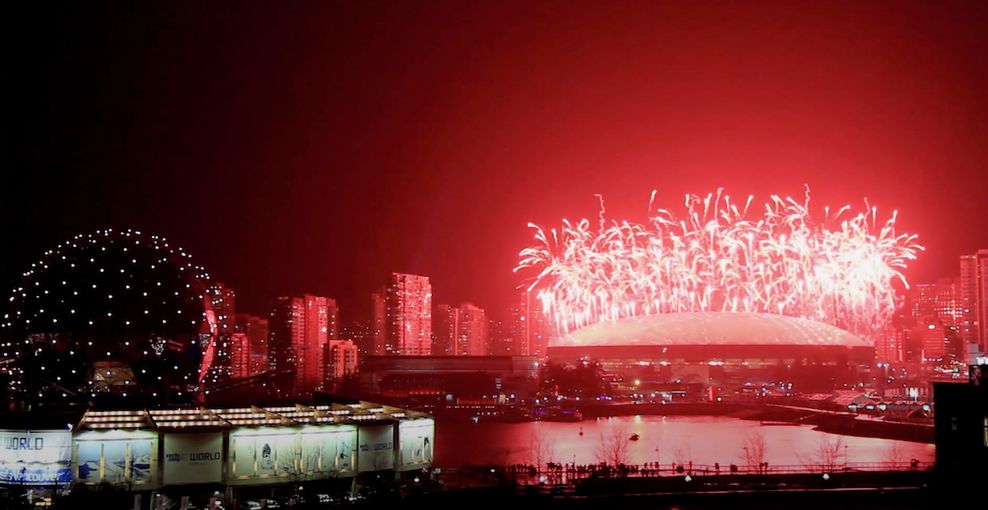
Fireworks erupt at BC Place Stadium during the Opening Ceremony of the Vancouver 2010 Olympic Winter Games. (mediamon/YouTube)
Built on the foundation that the Calgary 1988 Winter Olympics helped establish and then later deliberately supercharged by the Own the Podium program specifically created for the lead up to Vancouver 2010, Canada did not just perform well on home soil — it did something it had never done before: it made winning part of the national plan.
The entire point of Own the Podium was to end the very awkward previous Canadian tradition of hosting the Olympics without standing on top of the podium at all. No home golds were won in the Montreal 1976 Summer Olympics and at Calgary 1988.
And Own the Podium worked — and it even became the foundational blueprint for all subsequent Olympic host countries, including Italy, as made evident by the incredible performance of their athletes at the Milano Cortina 2026 Winter Olympics.
In Vancouver 2010, with Own The Podium, Canada won 14 gold medals, finished first in golds, and won 26 medals overall.
That includes Sidney Crosby’s overtime goal against the United States in the men’s ice hockey final, a moment so perfectly scripted it instantly became a permanent part of the country’s collective memory. The underlying meaning behind “Where were you during the golden goal?” is the kind of question countries usually reserve for war victories, moon landings, constitutional milestones, and other moments when a nation holds its collective breath and then celebrates together.
Canada got one from a hockey game on home ice, and that alone says something about how deeply 2010 lodged itself in the national memory.
A storybook Olympics: Canada’s Games, With Glowing Hearts, Des plus brillants exploits
Vancouver 2010 was never meant to be just another host city’s event. From the beginning, it was designed to feel like something bigger than that.
VANOC, the local organizing committee of the Games, led by John Furlong, understood this instinctively. That is why the Games were framed not as Vancouver’s Olympics, or even British Columbia’s Olympics, but explicitly as “Canada’s Games.”
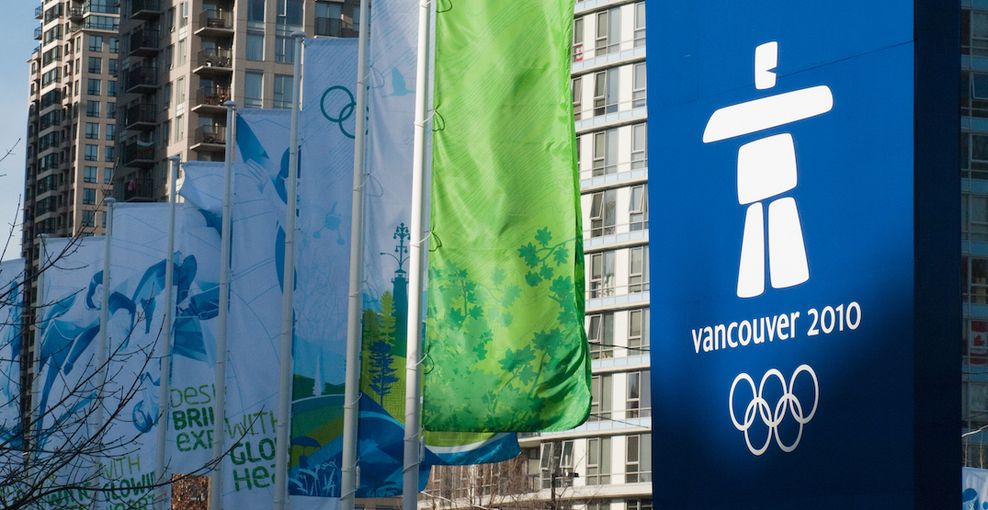
Olympic banners at the Olympic Village during the Vancouver 2010 Games. (Shutterstock)
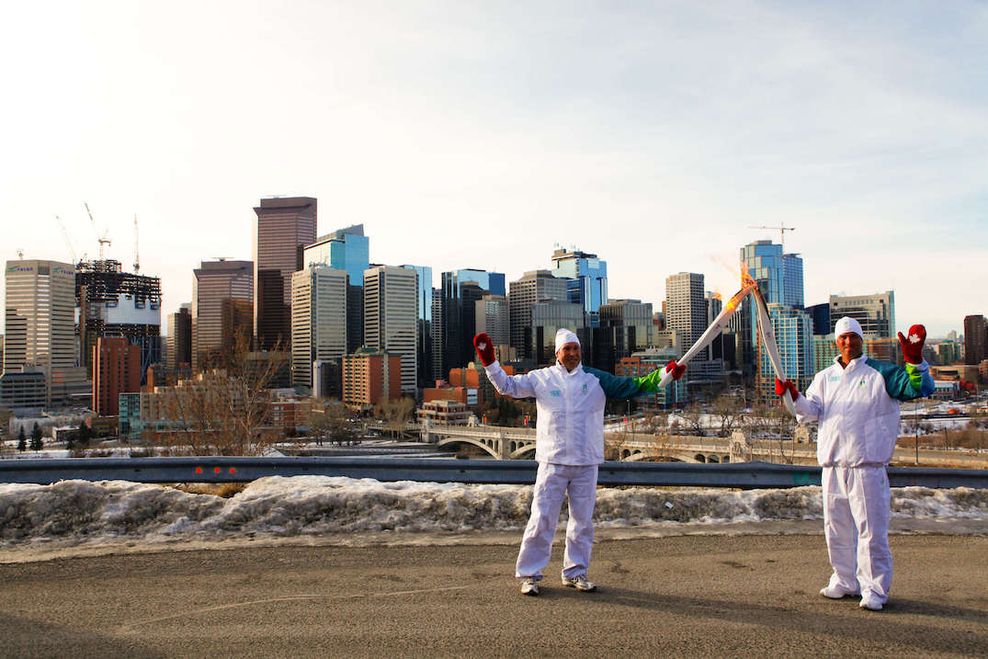
Day 82 – Torchbearer Stephen Ames (R) passes the flame to torchbearer Doung Martineau (L) in Calgary, Alberta. (VANOC/City of Vancouver Archives)
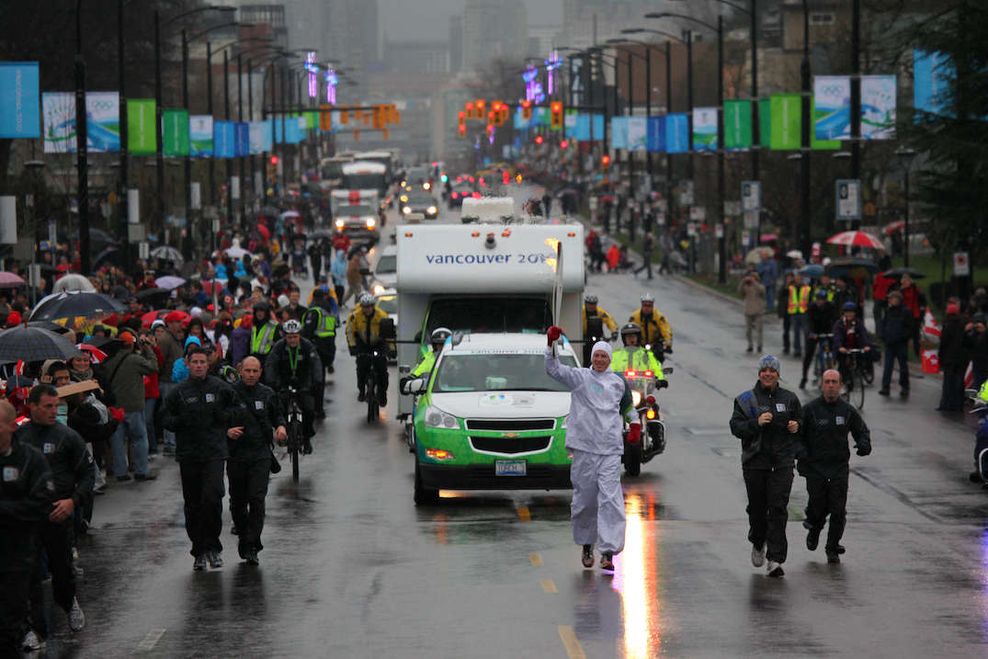
Day 105 – Torchbearer Steve Cahillane carries the flame in Vancouver, British Columbia. (VANOC/City of Vancouver Archives)
Vancouver 2010’s official mottos made that clear. “With Glowing Hearts” and “Des plus brillants exploits” were not just nice-sounding phrases. They were lifted straight from the lyrics of the Canadian national anthem. That was not accidental. It was a signal that these Games were meant to live inside the country’s national story.
VANOC’s bet was simple and ambitious at the same time: the Olympics would only truly succeed if Canadians everywhere felt they had a stake in them.
The 2010 Olympic Torch Relay was the physical proof of that idea.
For months before the opening ceremony, the Olympic flame that was first ignited in Greece moved through Canadian communities, becoming the longest domestic torch relay at the time.
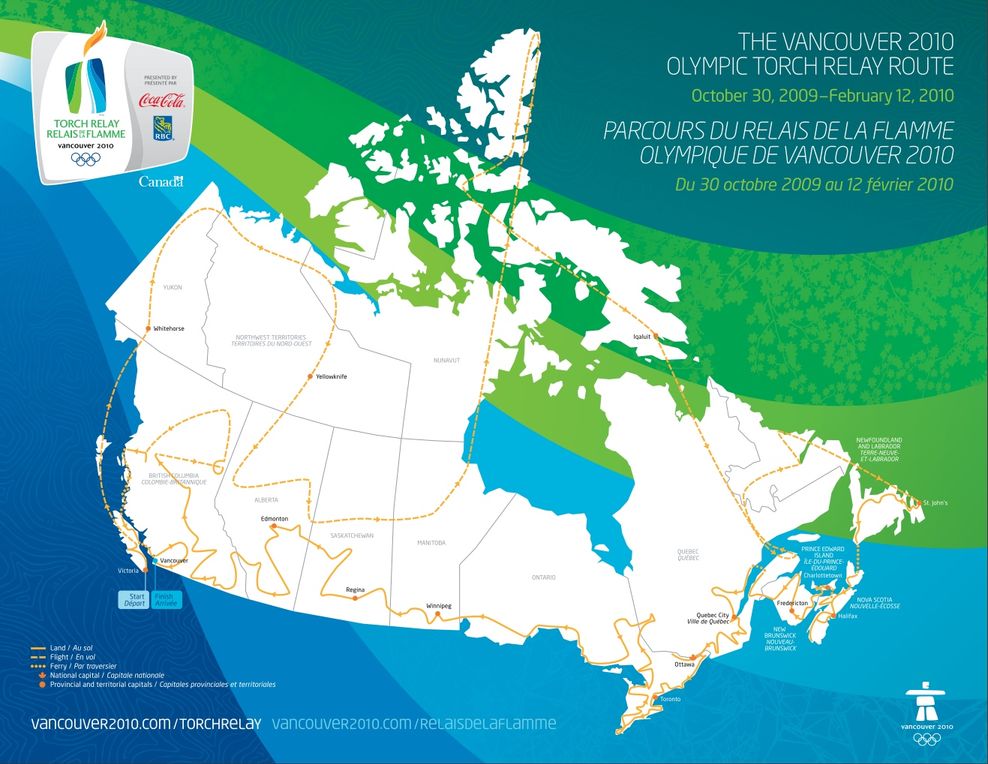
Map of the Vancouver 2010 Olympic Torch Relay. (VANOC)

Day 106 – Torchbearer Hugh Fisher is passing the flame to torchbearer Kamini Jain in Vancouver. (VANOC/City of Vancouver Archives)
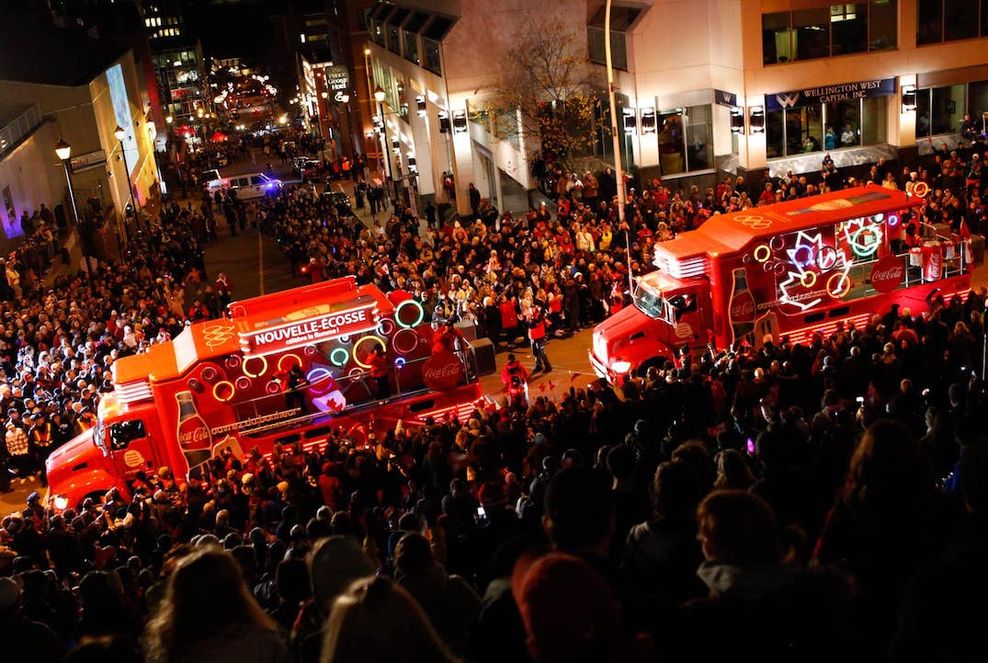
Vancouver 2010 Olympic Torch Relay. (Inventa)
Over 106 days leading up to the opening ceremony, the Olympic flame travelled 45,000 km across every province and territory, passed through more than 1,000 communities, was carried by 12,000 torchbearers, and moved by boat, plane, dog sled, and even canoe — turning the relay into a rolling national story rather than just a logistical exercise.
It passed through big urban centres and small rural communities, through suburbs, northern towns, highways, and main streets. People lined the roads in winter coats. Schools let kids out early so they could see it go by. Torchbearers chosen to carry the flame for a few hundred metres were handed a story they would tell for the rest of their lives. In places that would never host a competition, the flame still showed up, and for a moment, the Olympics belonged there too.
That slow journey across the country did something that no advertising campaign ever could. It turned anticipation into participation. It made the Games personal before they were spectacular.
Long before the first sporting event started, millions of Canadians already had a memory attached to 2010, already felt that this was not just something happening on the West Coast and on television. It was happening, in some small way, to them.
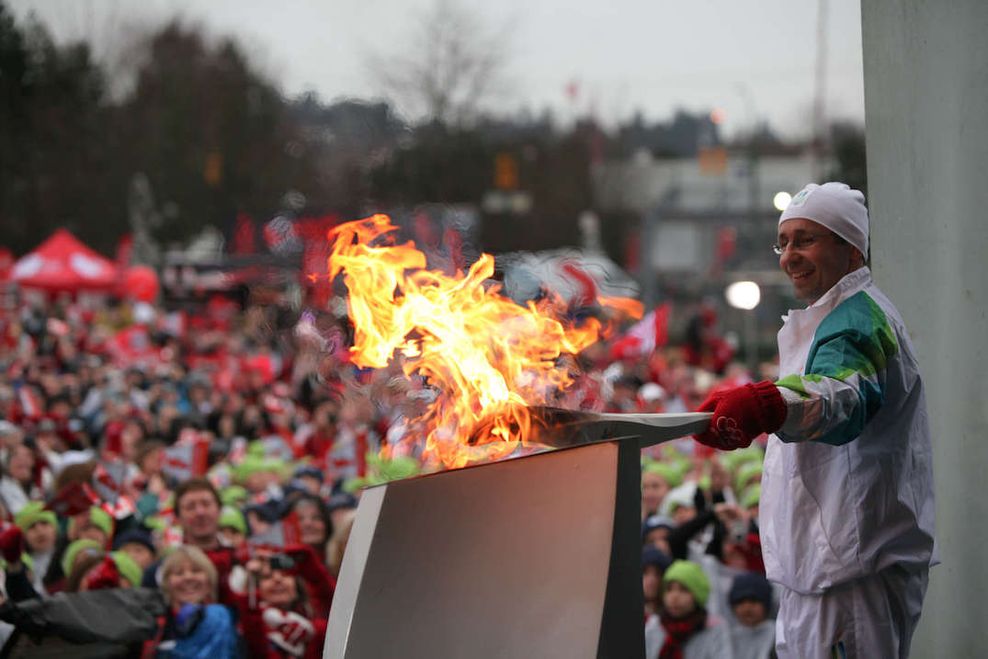
Day 105 — Chris Wilson lit the community cauldron in Coquitlam, British Columbia. (VANOC/City of Vancouver Archives)
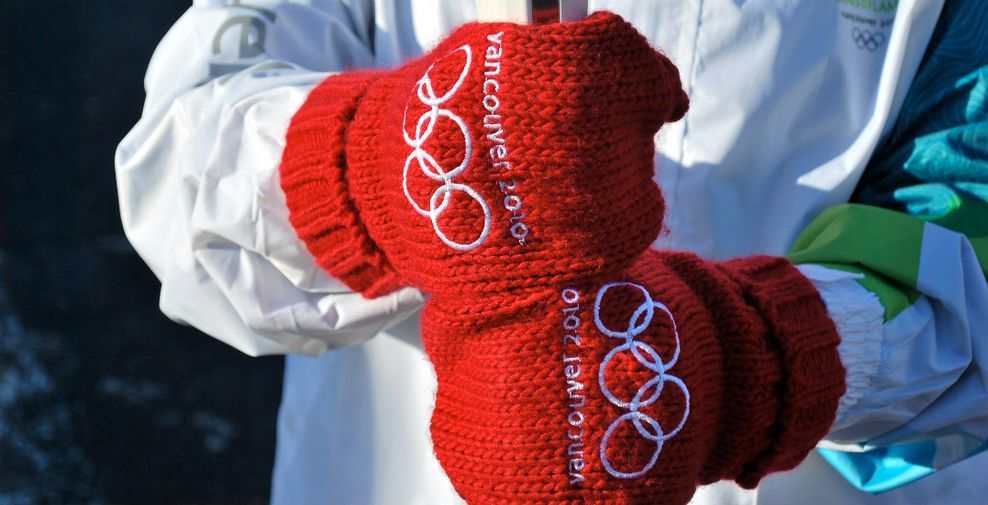
Vancouver 2010 red mittens by Hudson’s Bay Company. (Delaney Turner)
When the Games finally arrived, the country was ready in a way that is rare.
It showed up in the atmosphere. It showed up in the way people talked about “we” instead of “they.” It showed up in the small, almost throwaway cultural details that ended up meaning a lot.
Hudson’s Bay Company’s iconic red mittens became a kind of national uniform. At $10.00 a pair, they were highly accessible. You could buy them, put them on, and suddenly you were part of the moment. You saw people wearing them everywhere that winter. The red mittens first launched in October 2009, and by the end of their run in 2010 over 3.5 million pairs were sold.
It showed up in how Canada presented itself to the world. Bombardier’s torch and community cauldrons during the torch relay’s stopovers across the country were not just functional pieces of equipment; they showcased how Canadian design and engineering could sit confidently on a global stage.
It showed up in the broadcasts, too. CTV, the official broadcaster of Vancouver 2010, did not just show competitions, but it built a narrative that made the Games feel like a single, continuous national experience. For once, Canada really did feel like it was gathered in one enormous living room, watching the same stories unfold at the same time.
Even the music mattered. CTV’s Olympic theme song, “I Believe,” performed by Montreal’s Nikki Yanofsky for the English version and Quebec City’s Annie Villeneuve for the French version, was not a top-down creation that people politely tolerated. It hit number one on Billboard’s Canadian Hot 100 charts. It caught on because it fit the mood, and people embraced it. It became emotional shorthand for the Games, one of those cultural details that only sticks when something bigger is working underneath.
CTV rose to the challenge and played a pivotal role in uniting the country, making investments in its broadcast and promotion that the CBC could only have dreamed of, and pulling in the full weight of its majority parent owner, Bell Media, which was also VANOC’s largest corporate partner under a separate $200-million telecommunications sponsorship deal.
Canadian companies — VANOC’s official sponsors — showed up in a way that felt visible and human, helping turn the Games into something everyone could participate in.
Vancouver 2010 also had a political champion in Premier Gordon Campbell, who made the success of the Games a top priority and a standing item in his discussions with the federal government and his counterparts across the country. That push helped draw other provincial governments into the moment as well. Alberta, Saskatchewan, Manitoba, Ontario, and Quebec all set up elaborate showcase pavilions in downtown Vancouver, adding to the sense that this wasn’t just a regional event, but a national one — and to the electric atmosphere that took over the city during the Games.
Those Games felt national, in the fullest sense of the word, carried by governments, companies, communities, and ordinary people at the same time. And that is what made Vancouver 2010 different from most mega-events that come before or after it.
Vancouver and Toronto will host the 2026 FIFA World Cup — an event that overall, in global scale, rivals the Summer Olympics. But very much unlike the Olympics, they will be sharing that FIFA World Cup spotlight with 14 other host cities across the United States and Mexico, with the Canadian cities together hosting 13 per cent of the tournament’s 104 matches over five weeks, including a few knockout matches.
It will be a significant moment for Vancouver and Toronto, no question — the largest events both cities have held since the 2010 Winter Olympics and the 2015 Pan American Games, respectively. But for any individual FIFA World Cup host city, it comes nowhere close to the scale, focus, and lasting impact of a Winter Olympics that carries the single host city’s name and cultural identity, never mind the far larger Summer Olympics.
In terms of national impact, Vancouver 2010 belongs in the same conversation as the Expo ’67 World’s Fair in Montreal, which celebrated Canada’s centennial and was the breakthrough moment for the country on the world stage.
The Montreal 1976 Summer Olympics, Calgary 1988, and the Expo ’86 World’s Fair in Vancouver were city-changing events — they mattered enormously for their urban regions. But Vancouver 2010 was something else. It was country-shaping and an exercise of soft power.
This is not nostalgia. It is a reminder of what is possible.
And Canada needs to be serious about doing this again.

Day 106 – Torchbearer Judy Caldwell is passing the flame to torchbearer 34 Rolly Fox in front of Inukshuk sculture in English Bay, Vancouver. (VANOC/City of Vancouver Archives)

Day 35 – Relay Sponsors RBC and Coke pass Torchbearer 102 Charles Milliard and hand out flags and tambourines for the crowd in L’Ancienne-Lorette, Quebec. (VANOC/City of Vancouver Archives)
Our young, multicultural country needs historical memories that pull us together, not apart
Vancouver should be the frontrunner for a future Winter Olympics as early as 2038 — the next available slot after the Games return to Salt Lake City in 2034 — or in 2042. The timing is fluid. The International Olympic Committee (IOC) is currently in an exclusive “privileged dialogue” with Switzerland about 2038 under its reformed bidding rules, which are designed to make both the bidding and hosting processes far simpler and more affordable. But whenever the right window opens, Vancouver should be ready to step through it.
But by then, in the late 2030s and into the 2040s, Vancouver would also be far more ready for the Summer Olympics, which is something that should also be considered further down the road.
It might be challenging to imagine hosting the Games today in the political climate and economic challenges of 2026, especially the far larger Summer Olympics. But by the time the 2040s come around, Vancouver and its metropolitan region will have a far larger population, a bigger economy, and a deeper pool of venues, hotel rooms, and infrastructure than it did in 2010 to support the world’s largest global sporting event.
With more than 200 nations taking part in Paris 2024, the Summer Olympics truly command the attention of the entire globe. They also showcase the world’s most accessible and universal sports, from athletics and soccer (football) to basketball, cycling, tennis, and swimming — sports that people play, watch, and understand almost everywhere. The Winter Olympics, by contrast, drew about 92 nations in Milano Cortina 2026 and revolved around a narrower, more specialized set of events, making them, by nature, more niche in both participation and appeal.
Vancouver should be the frontrunner for the Canadian Olympic Committee’s (COC) next bid — a reattempt after the 2030 Winter Olympics bid fell through — because it is one of the few places in the country that has already shown it can host the Olympics in a way that feels both truly global and unmistakably Canadian. It has the experience, the profile, and the setting.
And there is another, quieter reason too: this corner of the country, so far from Ottawa, often lives with the feeling of being an afterthought, watching the federal government’s attention and investment gravitate again and again toward Ontario, Quebec, and even the Atlantic provinces. Bringing the Games back here would not just make practical sense. It would feel, to a lot of people, like recognition.
Canadians often get uncomfortable when the conversation turns to national pride. It can sound either naive or a little too close to chest-thumping. But pride, at a healthy level, is not propaganda. It is social glue. It shows up as trust in institutions, as patience for long-term projects, as a willingness to invest in things that do not pay off immediately, and as a basic belief that collective effort is still worth something.
A healthy sense of patriotism and civic pride is often what draws people, again and again, to invest their time and energy in making this country — and their home community — better than it was. But that impulse of “make us better,” as Furlong would say, has been fading over the past decade.
When that glue weakens, cynicism rushes in to replace it. Everything becomes smaller, sharper, more guarded, more suspicious, and less generous.
Over the past 10 years, that shared confidence has clearly thinned. Politics became more polarized. Public debate is more brittle. Even successes are often greeted with reflexive suspicion or culture-war framing. Canada is not broken, but it is tired, and tired countries do not fix themselves with technical arguments alone.
In a very young country with a short historical memory and a diverse population built heavily on immigration and multiculturalism, shared moments matter more than we like to admit. They are the closest thing we have to common myths, to reference points that say you belong to this story too — whether your family arrived generations ago or recently.
Vancouver 2010 created one of those reference points. You can still hear it in the way people talk about the torch relay, the mittens, the crowds, the broadcasts, and the Golden Goal. Those are not just anecdotes. They are part of the country’s shared memory, the stories people carry with them and pass along.
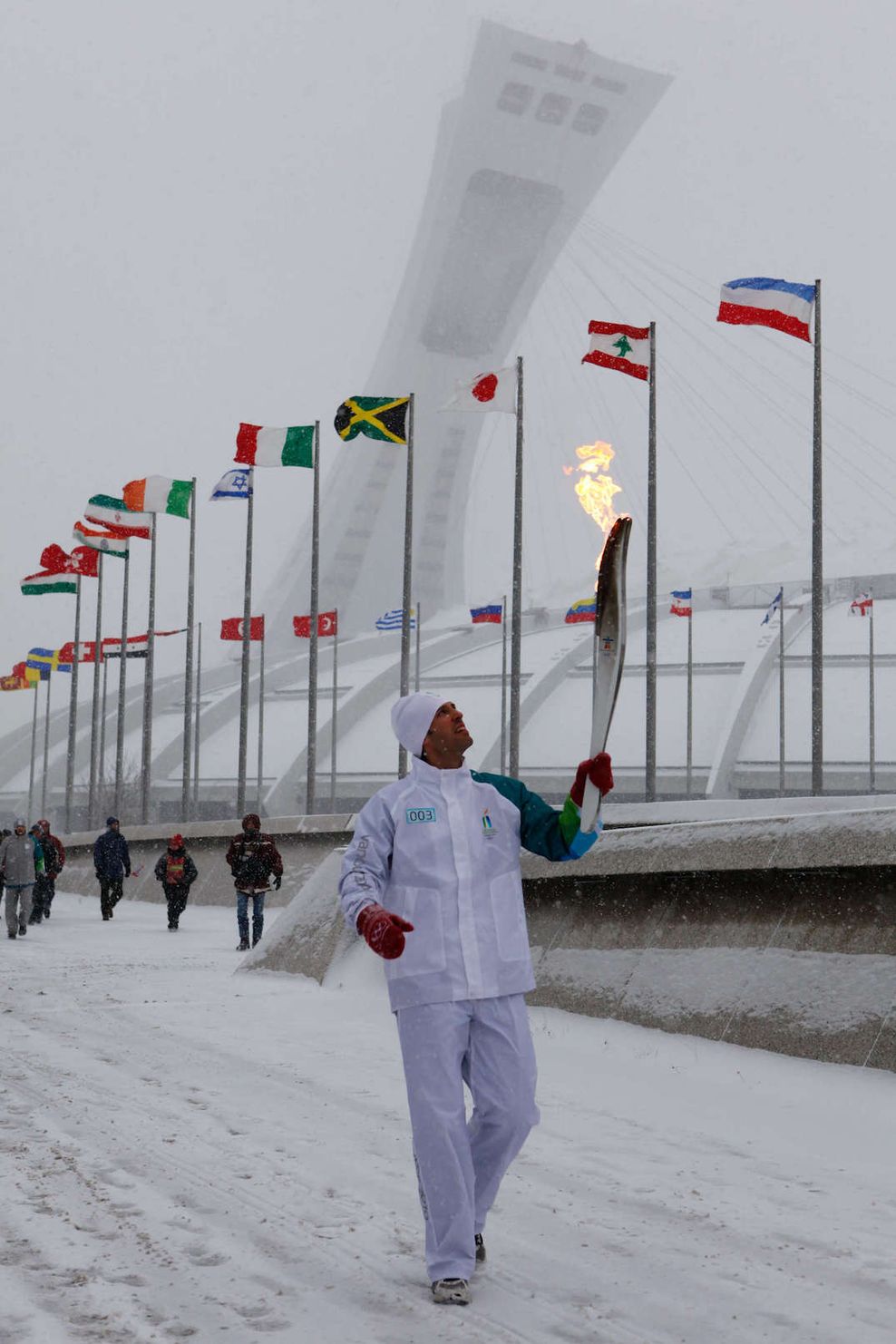
Day 41 – Torchbearer Jean-Francois Monette is carrying the flame in Montreal, Quebec. (VANOC/City of Vancouver Archives)

Day 50 – Torchbearer 11 David Harris passes the flame to Torchbearer 12 David Burkholder in front of the CN Tower in Toronto, Ontario. (VANOC/City of Vancouver Archives)
IOC reforms after 2010 make it easier and more affordable to bid and host the Olympics
Hosting the Olympics again would not be about chasing that feeling for its own sake. It would be about recognizing that countries need shared emotional milestones just as much as they need balanced budgets and bridges. The Games will not solve housing (although there is always the potential for the Olympic Village to become a post-Games housing legacy). They will not fix productivity (although it would generate tens of thousands of new jobs, reinvigorate local tourism and sports hosting abilities, and provide new community and recreational facilities that enhance well-being). But they can do something governments struggle to do by policy alone — they can help restore a sense of collective momentum in national unity.
Although this pursuit of the Games returning to Canada is grounded on national and civic pride and the magic and power of sport for the human condition, none of this means pretending the hard parts do not exist.
It does not mean repeating the worst mistakes of past mega-projects. Building new venues can make perfect sense when they align with long-term community needs — such as replacing aging community and recreational centres at the end of their lifespan and keeping up with the demands of a rapidly growing population in Canada’s largest and densest urban regions.
There is also a real risk in going too far in the other direction, in doing it so cheaply and so minimally that the host region is left wondering why it hosted at all — if the Games do not leave behind visible improvements and a sense of forward motion. The balance matters, but the purpose matters more.
From the outset of planning, there was a useful post-Games plan for each venue built for 2010.
The curling venue of Hillcrest Centre, formerly Vancouver Olympic Centre, is now one of Vancouver’s most well-used community and recreation centres, with the Olympic-time curling sheet and footprint of the temporary grandstands for 6,000 spectators immediately converted into an ice rink, eight sheets of curling, a gymnasium, and a local public library branch. The complex also includes a major aquatic centre, built at the same time.
Richmond Olympic Oval, where speed skating was held, was immediately converted into a massive community and recreational hub to anchor a new high-density residential neighbourhood and address a deficit of such facilities in Richmond City Centre. It has two ice rinks, indoor running tracks, sports courts for basketball and volleyball, a climbing wall, an indoor rowing tank, and a fitness gym as well as the Richmond Olympic Experience museum — part of the IOC’s official network of official global Olympic Museums. In addition to broader community use, it is also a training hub for Canada’s Olympians in both winter and summer sports.
Doug Mitchell Thunderbird Sports Centre, formerly UBC Winter Sports Centre, was a major expansion and renovation of an existing multi-rink complex at the University of British Columbia’s (UBC) Vancouver campus. The 7,500-seat arena serving as the Games’ secondary ice hockey venue is highly used by the university — given the obvious synergies — and frequently hosts concerts and other major sporting events, including multiple Davis Cup tennis matches and Skate Canada figure skating competitions.
Two new ice rinks were constructed elsewhere for Vancouver’s municipal network of community and recreational facilities, serving as Olympic-time practice venues — both replacing aging, heavily used facilities. Killarney Rink, attached to a larger community centre, was built for short-track speed skating practices, while Trout Lake Rink hosted figure skating practices.
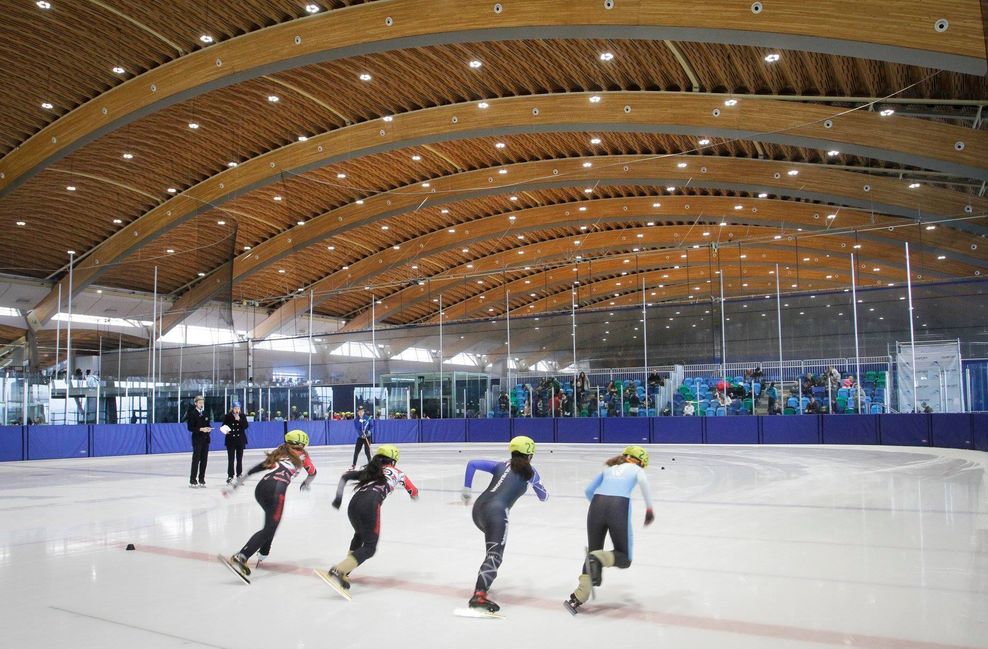
Richmond Olympic Oval’s post-Games community and recreational uses. (Richmond Olympic Oval)
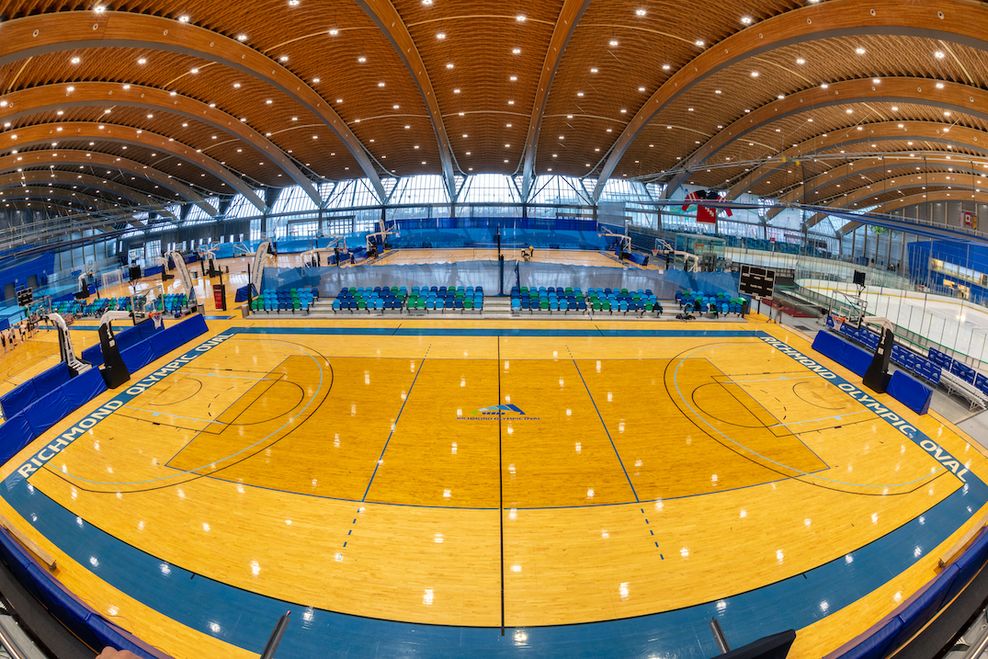
Richmond Olympic Oval’s post-Games community and recreational uses. (Richmond Olympic Oval)
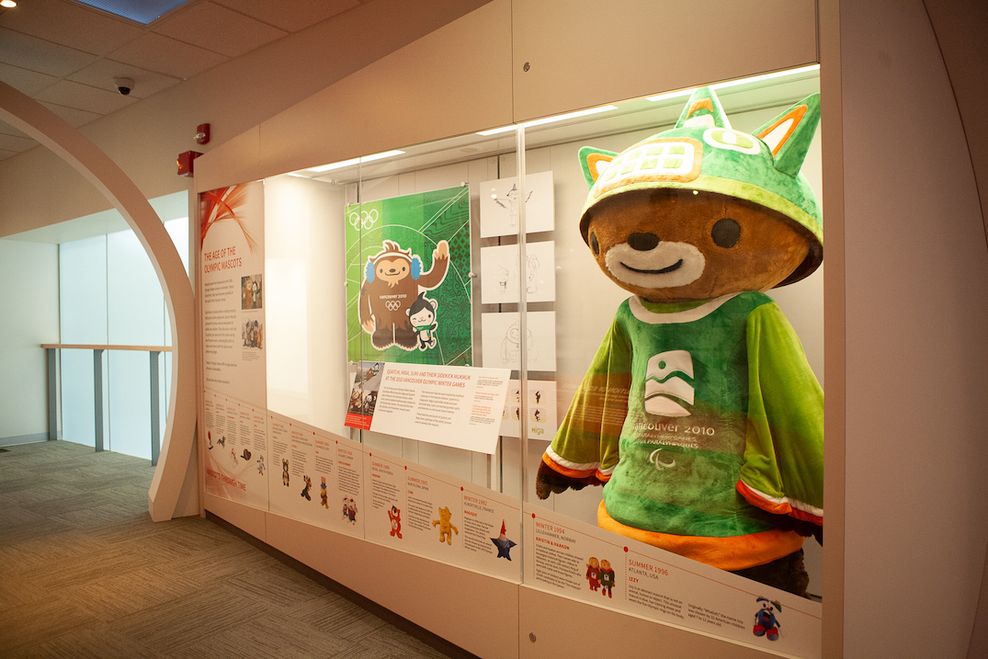
Richmond Olympic Experience museum inside Richmond Olympic Oval. (Richmond Olympic Oval)
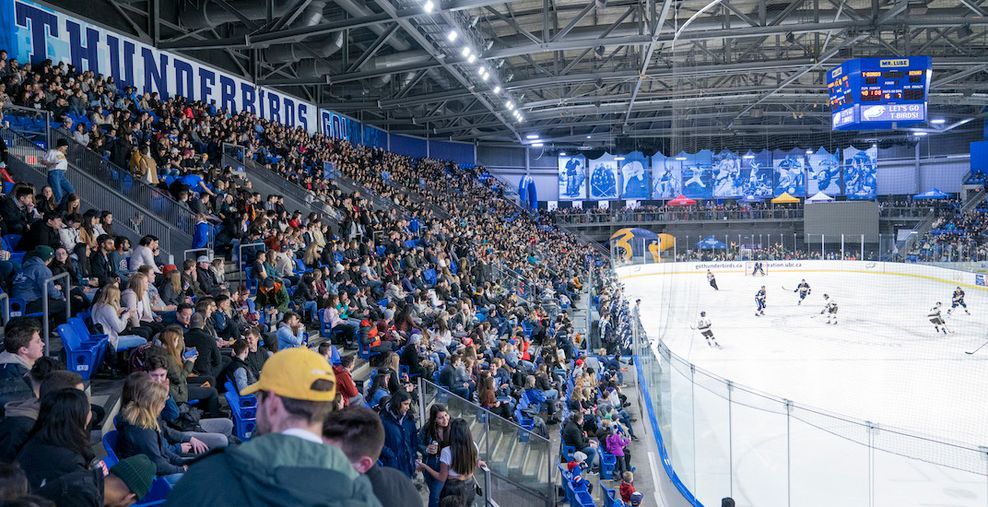
Students pack the Doug Mitchell Thunderbird Sports Centre for the 2020 Winter Classic. (Rich Lam/UBC Athletics)
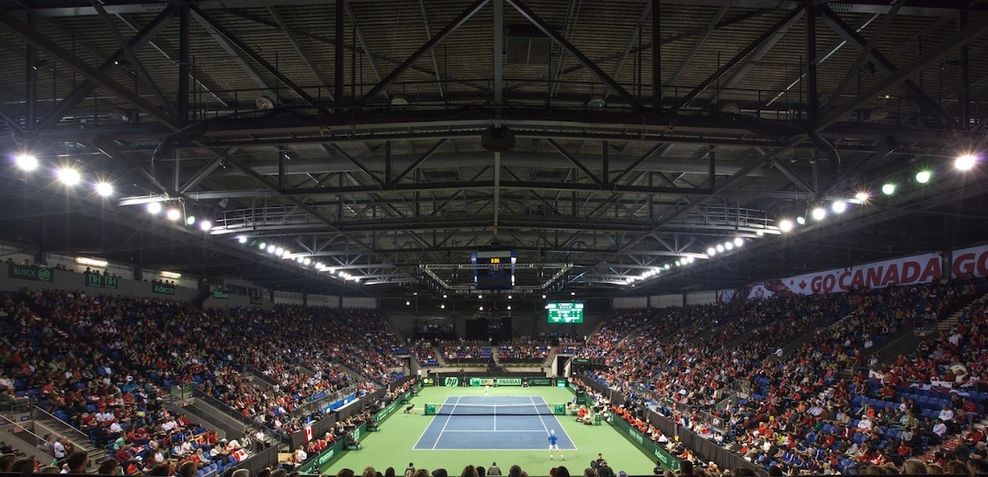
Davis Cup tennis match held at UBC’s Doug Mitchell Thunderbird Sports Centre. (Standing In Motion)
Whistler Sliding Centre, at the base of Blackcomb Mountain, and Whistler Olympic Park’s ski jump in the Callaghan Valley are now Canada’s only training bases for bobsled/luge/skeleton and ski jumping, respectively, following the permanent closure of Calgary’s facilities in 2018/2019. Calgary’s sliding track has fallen into disrepair, with parts of it already demolished, while the ski jump is extremely outdated — to the point that today’s elite athletes would now land in the parking lot if it were still operational.
Temporary, simple, modular venues can also handle sports that do not need permanent homes.
Although the IOC’s more sustainable policies — encouraging the re-use of existing venues and the use of temporary ones — came after the 2010 Games, Vancouver 2010 had already set this trend without IOC intervention. In more recent years, the IOC has further reinforced the idea of sustainable post-Games legacies and has enabled host regions to spread events across wider areas, with more venues located well outside the main host city — an approach reflected in the models adopted for Paris 2024 and Milano Cortina 2026. As an extreme example, Paris 2024 even staged surfing in Tahiti, in French Polynesia.
Previously limited to much larger urban centres, these IOC reforms now make it far easier for mid-sized metropolitan regions to host the Summer Olympics, including places like Metro Vancouver and Greater Brisbane, the host of the 2032 Summer Olympics.
It is true that the IOC struggled to find hosts for the 2022 and 2026 Winter Olympics and the 2024 and 2028 Summer Olympics — spooked after Russia, somehow, spent $40 billion on the Sochi 2014 Winter Olympics. It is important to remember, however, that this was an outlier, not the norm — and a distinctly Russian one at that.
For the reasons of the recent IOC reforms, there is not just a resurgence of interest in bidding for the 2036 Summer Olympics — there is an actual surge that now goes through the unawarded Games through the early 2040s.
Similarly, transportation investments made in time for the Olympics should also accelerate long-term infrastructure plans that already exist to better meet demand and urban growth objectives. That was performed for Vancouver 2010.
Built in 2009, SkyTrain’s Canada Line — reaching Vancouver International Airport, Richmond City Centre, and major nodes within Vancouver — is the most successful rail rapid transit project in Canada this century to date, with its high ridership exceeding initial projections and serving as a major catalyst for high-density, transit-oriented development.
The Sea to Sky Highway linking Metro Vancouver with Whistler was upgraded and widened ahead of the 2010 Games. The project not only drastically improved safety on what had been a dangerous route, but the increased capacity and reliability also opened up major new tourism, economic, and residential development opportunities along the corridor, including in Squamish.
Vancouver Convention Centre’s West Building, constructed as the International Broadcast Centre for the 2010 Games, dramatically expanded what had been an undersized facility contained under the sails of Canada Place. It gave the convention centre the scale it needed to attract major conventions and events, and it has since become one of Metro Vancouver and B.C.’s biggest tourism engines. Today, the convention centre is so heavily booked that the facility is approaching capacity in terms of how often it is in use — a pretty good example of a legacy that worked. The municipal government’s future Waterfront Station precinct plan will need to incorporate a major eastward expansion of the convention centre as one of the area’s major uses.
“The 2010 Games remain, across generations now, a moment of remarkable national unity”
Those are tangible, measurable legacies, and they certainly matter. But they are not the whole case for bringing the Games back. The bigger argument is less about concrete and subway lines and more about what 2010 did to the country’s confidence and sense of itself.
“In a similar challenging time, as the best in the world compete on the world stage in Milan, as they did here in Vancouver 16 years ago, we had a very, very powerful experience as a city and a country that I think is worth bringing forward in these times. Putting those Games on was not easy for us,” said federal Housing Minister Gregor Robertson, who was Vancouver’s Olympic-time mayor, during an event with the Greater Vancouver Board of Trade on Feb. 20, 2026.
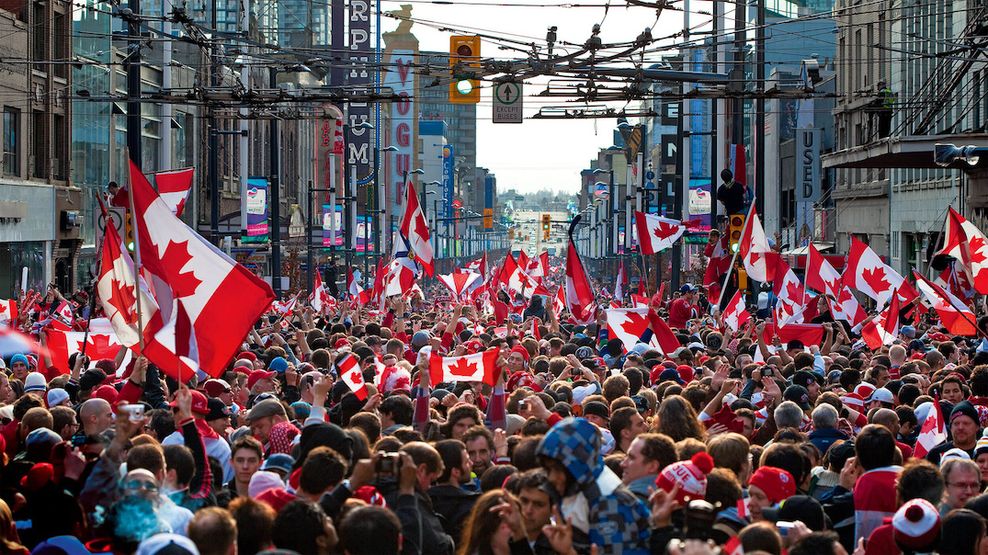
Crowds on Granville Street in downtown Vancouver after Canada’s men’s ice hockey gold medal win during the 2010 Winter Olympics. (Hulse & Durrell)

Day 105 – Torchbearer Brian Bogdanovich passes the flame to torchbearer 165 Tanya McLachlan in front of Vancouver City Hall, British Columbia, with Mayor Gregor Robertson present. (VANOC/City of Vancouver Archives)
“We can talk about the 50,000 jobs that were created, the environmental sustainability standard that we’ve stepped for the world since that time, major opportunities for B.C. businesses, and economic growth that that’s created for Vancouver, for B.C., for Canada. But it was very difficult at the time. We were coming barely out of the 2008 recession when the Olympics were brewing, and that meant there was a ton of risk. There was a lot of risk to put the Games together. We had a lot of tough decisions to make,” continued Robertson.
But it was all worth it in the end, he asserted, because what emerged from those difficult recessionary years was not just a successful Games, but a moment that reshaped how Canadians saw themselves.
“The success of those Games rested on our ability to deliver, and we did. Beyond the economics, the record-breaking medal counts, and the facts and the figures, the real success of the 2010 Games was how it brought Canadians together,” continued Robertson.
“The 2010 Games remain, across generations now, a moment of remarkable national unity. We brought the world to Canada. The four host First Nations hosted, and Indigenous people were still core to those opening ceremonies and hosting the world. We brought the world to Canada, and we brought Canada to the world. 16 years later now, we face equally or greater daunting challenges.”
16 years ago tonight, February 12, I was lucky enough to be inside BC Place Stadium for the Vancouver 2010 Olympic Opening Ceremony.
Here’s my [potato cam] footage of Team Canada walking in during the Parade of Nations. A core memory. 🇨🇦 #Olympics pic.twitter.com/LqZ0tJbYUf
— Kenneth Chan (@iamkennethchan) February 12, 2026
Relit. Reunited. Ready. 🔥 Vancouver Olympic Cauldron at Jack Poole Plaza burns again alongside #MilanoCortina2026, celebrating #TeamCanada and 16 years since 2010. 🇨🇦
Very big turnout today, more than previous relightings. It will remain lit for 2 hours until 6 pm. #Olympics pic.twitter.com/De1nSGD7Oi
— Kenneth Chan (@iamkennethchan) February 7, 2026
In the meantime, over the interim, Canadian athletes need much more direct support. The COC said as much this weekend, after the country’s disappointing 2026 medal haul told the story: funding for Canada’s high-performance sport system is now stretched incredibly thin. Remarkably, overall funding levels have not seen a real increase since Own the Podium was launched back in 2005, even as the global competition has only grown more intense.
Over the longer term, beyond any host region, the deeper case for bringing the Olympics back to Canada is not really about local buildings and infrastructure. It is about direction. The country is drifting, and drifting countries do not find their way back through improved leadership, policy, and management alone. They find it by rebuilding belief — by creating moments that remind people what it feels like to be part of something bigger, functional, and hopeful.
As the song goes, “I Believe.”
Vancouver 2010 managed that because it was framed, deliberately, as “Canada’s Games.” The Olympic flame crossed the country before it ever lit the Olympic Cauldron. People were invited to buy in emotionally. The athletes were backed to win, and they did. For a while, Canada felt lighter. More confident. More together.
That kind of shared experience is not frivolous, and it is not a distraction either. It is an investment in the foundation that makes everything else easier to build.
Canada should bid for the Olympics again. Vancouver should represent that bid, whether for another Winter Games or, one day, a Summer one. Not as nostalgia, and not as a vanity project, but as a deliberate attempt to give the country something it badly needs right now: a shared moment, a shared memory, and a shared reminder that we still know how to do big things together.
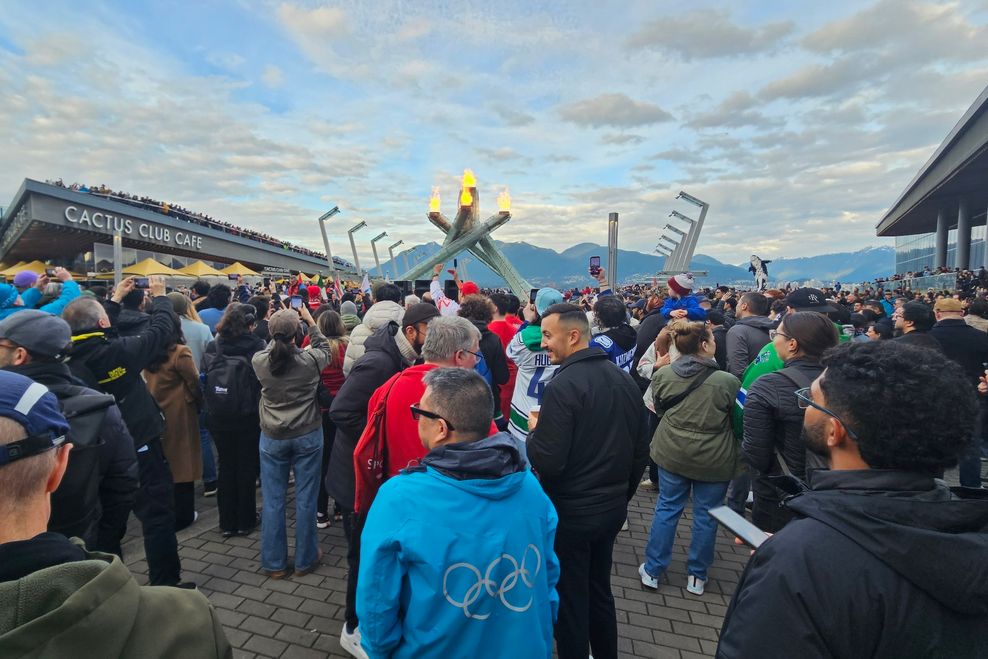
Relighting of Vancouver Olympic Cauldron at Jack Poole Plaza on Feb. 6, 2026, commemorating the Milan Cortina 2026 Winter Olympics. (Kenneth Chan)
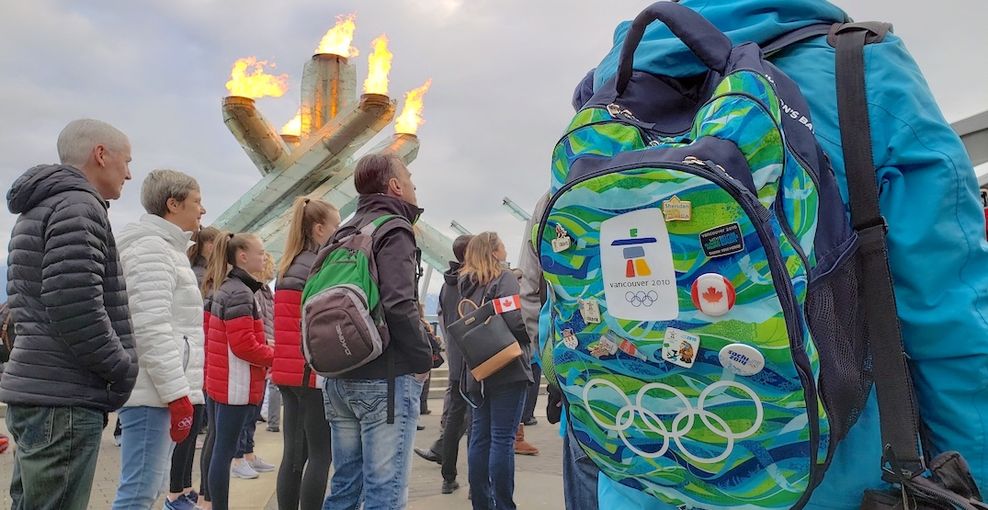
Vancouver Olympic Cauldron at Jack Poole Plaza relit on Feb. 12, 2020 for the 10-year anniversary of Vancouver 2010. (Kenneth Chan)
- You might also like:
- Behind the secret project to build the Vancouver Olympic Cauldron
- How UBC is still benefitting from the Vancouver 2010 Olympics
- Then and now: Lasting physical legacies of the Vancouver 2010 Olympics (PHOTOS)
- 12 things proposed for the Vancouver 2010 Olympics that didn't happen
- Richmond Olympic Oval is a brimming example of a positive post-Games legacy (PHOTOS)
- Time lapse of BC Place's months-long Olympic Ceremonies transformation (VIDEO)