



The latest liv.rent report was released yesterday, and the B.C. government has pounced on it, taking credit for some positive results for rental affordability in Metro Vancouver.
liv.rent’s report highlighted significant declines in one-bedroom rent in downtown and the West End.
“Downtown Vancouver saw one of the biggest year-over-year drops in one-bedroom unfurnished rents, falling from $2,764/month in March 2025 to $2,383/month in March 2026,” liv.rent said.
“The West End also declined notably, with rents dropping from $2,673/month to $2,393/month,” the report states, adding that downtown and the West End saw a 13.8 per cent and 10.5 per cent year-over-year drop, respectively.
Despite the major drops, some areas of Metro Vancouver are still seeing very high rents, notably the West Point Grey and UBC areas, which remain the most expensive areas for one-bedroom rentals. Unfurnished one-bedroom units averaged $2,791 per month in March 2026, up from $2,731 per month in February.
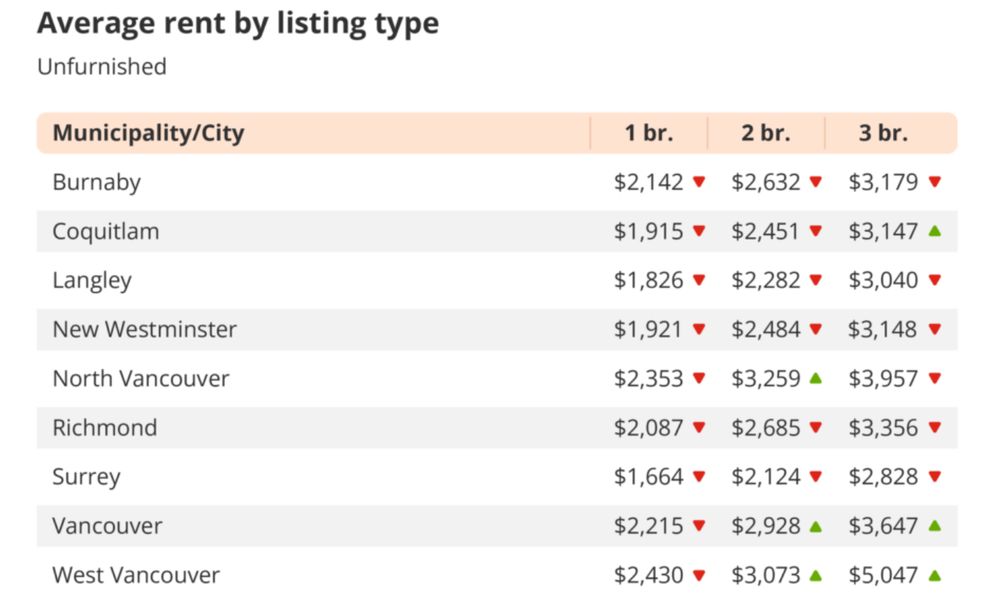
West Vancouver is the most expensive Metro Vancouver city to rent in, while Surrey is the most affordable.
liv.rent
The most affordable areas are neighbourhoods in Surrey and the Fraser Valley.
“In Newton, one-bedroom unfurnished rents averaged $1,474 per month in March 2026, while Abbotsford averaged $1,520/month and Guildford $1,619, highlighting the region’s affordability gap.”
Across the Metro Vancouver region, rents for an unfurnished one-bedroom unit have decreased by $245.
The BC Ministry of Housing had a lot to say about the report.
“Reflection of the many years of taking action”
Christine Boyle. (Christine Boyle)
The ministry highlighted several aspects of liv.rent’s report, saying it is “heartening to see yet another independent report showing that renters are seeing asking rents going down.”
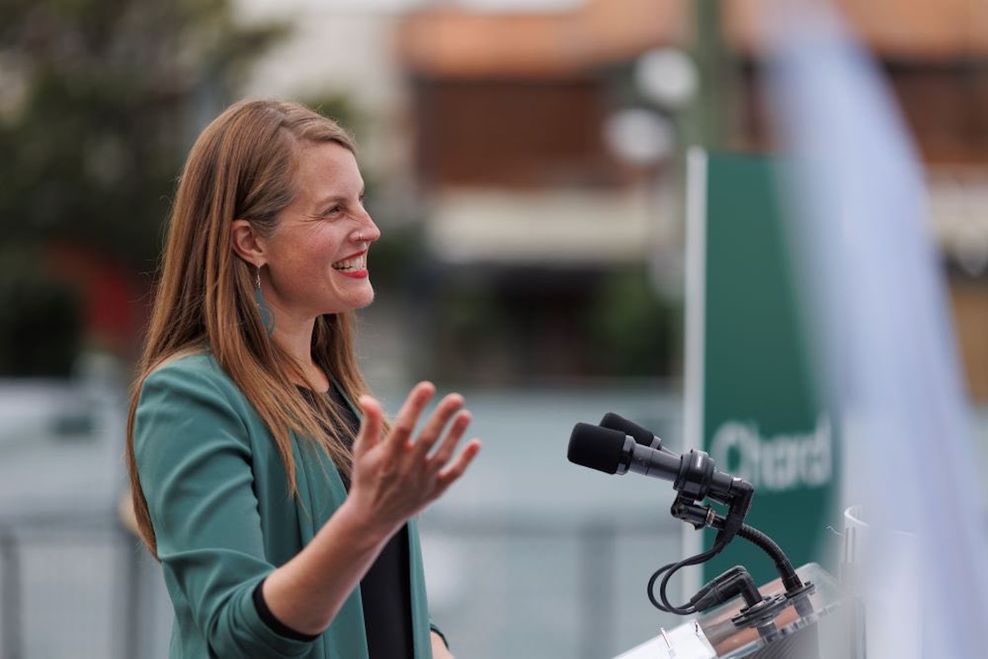
Christine Boyle, Minister of Housing and Municipal Affairs, said the rent declines are a “reflection of the many years of taking action and strong collaboration across all levels of government.”
“I am encouraged to see that our focus on housing affordability and building more homes is making a difference,” Boyle said.
She added that the results show that the government is on the right path with David Eby’s housing action plan, while stating that there is more work ahead.
“We will not stop until people throughout B.C. can find homes they can afford in the communities they love,” Boyle added.
This isn’t the first time that the ministry has given itself a pat on the back following a report showing declines in average rents. The ministry has released statements following the recent Rentals.ca national rent reports.
We spoke with Keaton Bessey, a rental property manager, last fall about the government taking credit. He acknowledged that the government could take some credit for rent declines, but not as much as they’d claimed.