


Opinion: Canada can achieve more new homes by building them in factories


Written for Daily Hive Urbanized by Tore Jacobsen and Baldev Gill, who are the chair and CEO of the Fraser Valley Real Estate Board, respectively.
When Prime Minister Mark Carney toured Intelligent City’s advanced manufacturing facility in Delta, B.C. this spring, it was more than just another campaign stop. It signalled that prefabricated and modular construction has moved from the margins to the mainstream of Canada’s housing conversation. That recognition is overdue.
If we are serious about tackling Canada’s housing affordability crisis by delivering more homes at scale, governments need to stop paying lip service to the huge potential of off- site construction and start putting it into policy and practice.
Prefabricated housing is not a novelty. It is a proven way to build faster, cleaner, and with precision, and has been around for decades.
- You might also like:
- Opinion: To tackle the housing crisis, Carney's federal plan must embrace private sector solutions
- Opinion: Who is really standing in the way of Canada's housing affordability?
- Carney launches Build Canada Homes entity with initial $13-billion investment
- Canada needs to sustain record annual housing construction for a decade to improve affordability: federal office
The University of British Columbia’s Brock Commons Tallwood House, an 18-storey mass timber student residence, was erected in just under 70 days, demonstrating how industrialized methods compress timelines without compromising quality.
Factory construction can reduce material waste by as much as two-thirds, a meaningful advantage when every dollar counts and every landfill diversion matters. And the benefits extend beyond speed and sustainability. Off-site assembly improves safety by moving much of the work to controlled environments — improving performance and quality assurance through repeatable production.
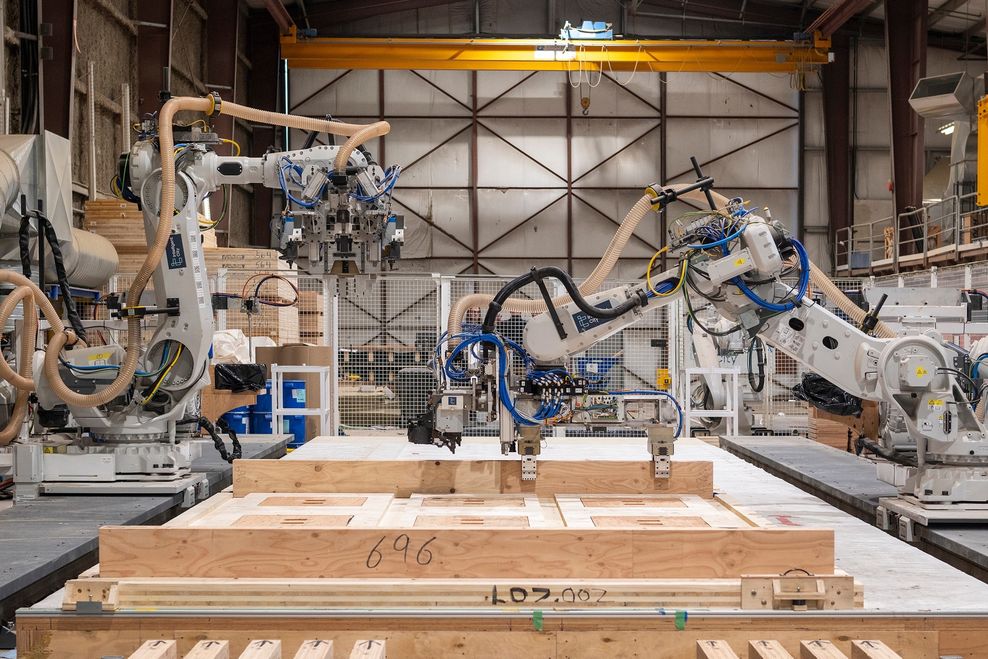
Intelligent City’s prefabricated mass-timber construction factory in Delta, B.C. (Intelligent City)
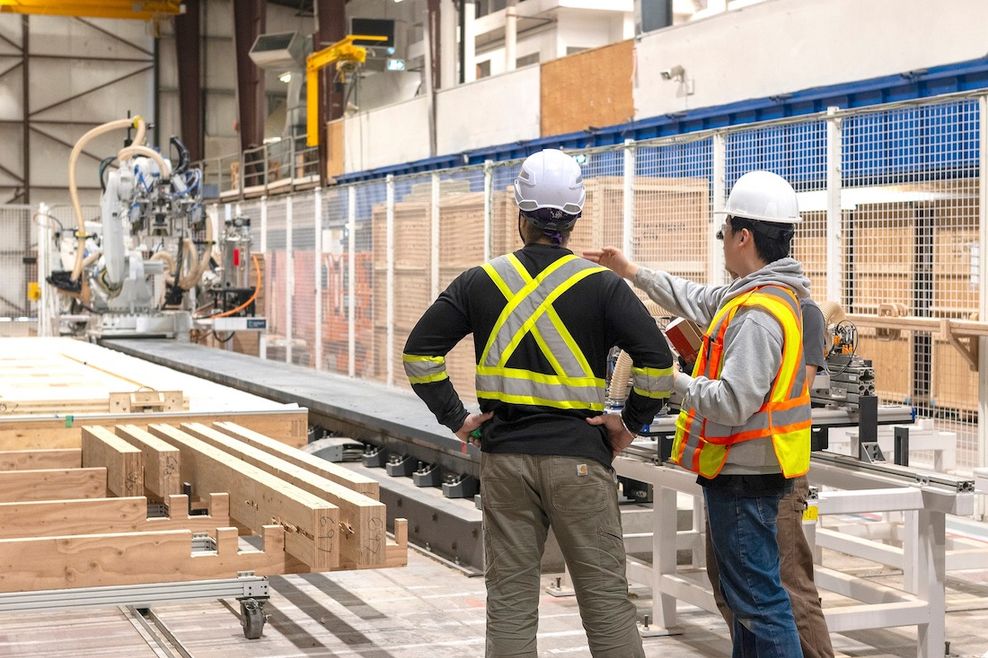
Intelligent City’s prefabricated mass-timber construction factory in Delta, B.C. (Intelligent City)
One striking example is the nine-storey Indigenous social housing project on Frances Street in East Vancouver, which combines mass-timber construction with robotically manufactured panels. The building delivers more than 80 affordable homes, along with a childcare facility and community spaces.
Despite the promise, Canada’s prefabrication sector continues to fight headwinds. Project financing in Canada is still designed for traditional, site-built development and not for homes that take shape in factories. Lenders release funds based on what can be seen rising from the ground, rather than the value being created on the production line.
This mismatch leaves modular and prefabricated builders carrying heavy upfront costs with limited access to working capital, even as they produce completed units ready for delivery. At the same time, municipal zoning rules vary widely on things like height, setbacks, parking, and building typologies, forcing manufacturers to redesign the same home again and again.
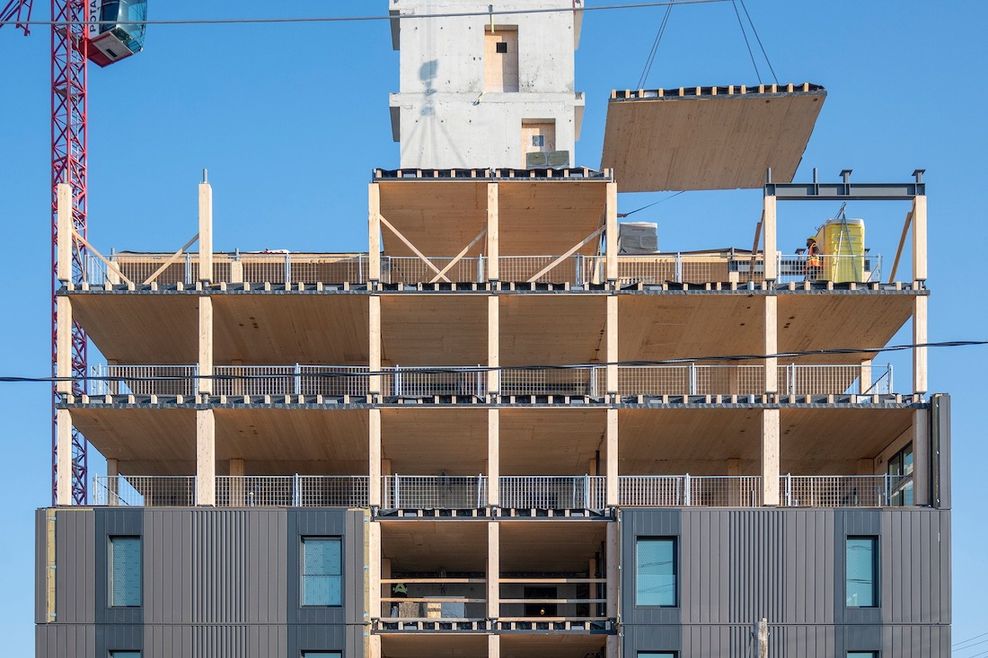
Prefabricated mass-timber construction using Intelligent City’s components from a factory. (Intelligent City)
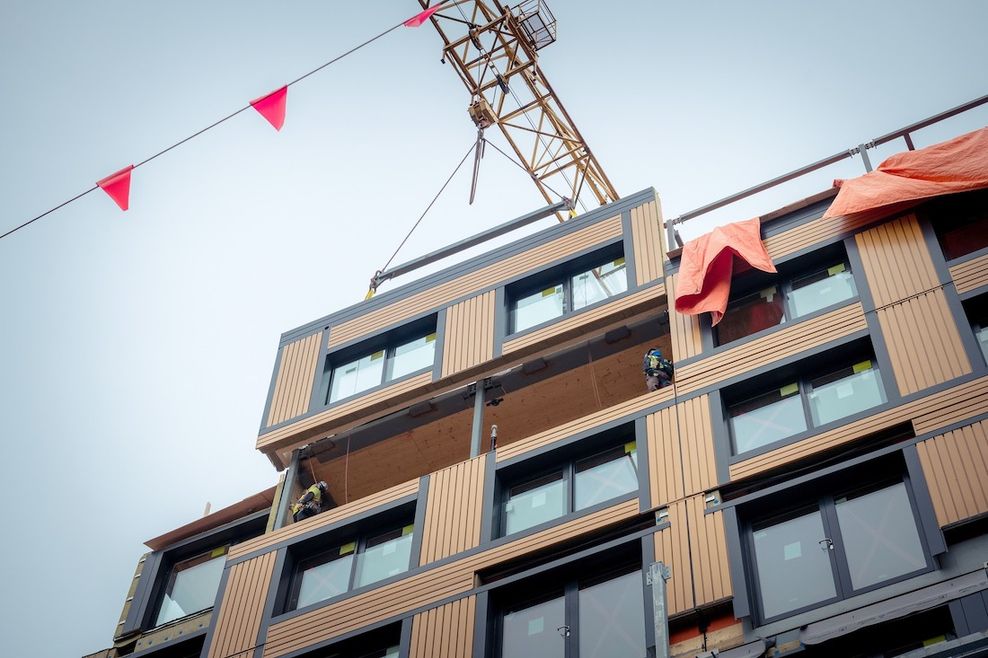
Prefabricated mass-timber construction using Intelligent City’s components from a factory. (Intelligent City)
Prefabricated housing could help power Canada’s next manufacturing boom
Combined with an unpredictable cycle of boom-and-bust demand, these barriers make it difficult for firms to invest in capacity, retain skilled workers, and achieve the economies of scale needed to make prefabrication a mainstream part of Canada’s housing solution.
Without government action, we risk building more prefabricated homes in Canada — just not by Canadians. Other countries with coordinated industrial strategies are already scaling their modular industries, positioning themselves to export factory-built housing into our market.
If governments fail to move quickly on financing, zoning harmonization, and procurement roadmaps, Canada could end up importing homes instead of manufacturing them, forfeiting thousands of potential jobs and billions in domestic investment. With natural advantages in timber, land and skilled labour, prefabrication should be a made-in-Canada solution.
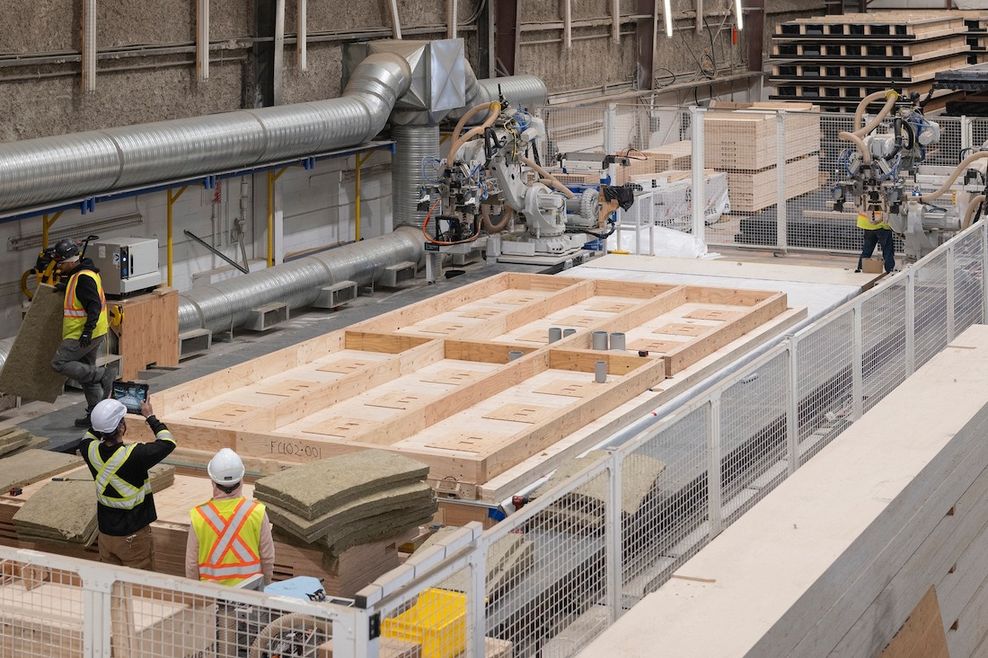
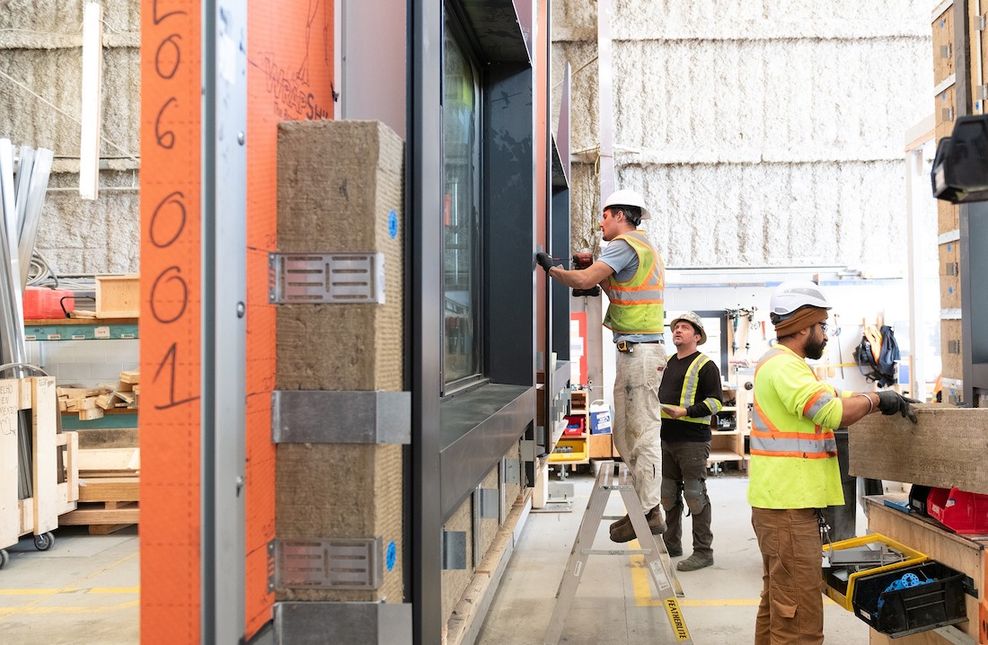
Intelligent City’s prefabricated mass-timber construction factory in Delta, B.C. (Intelligent City)
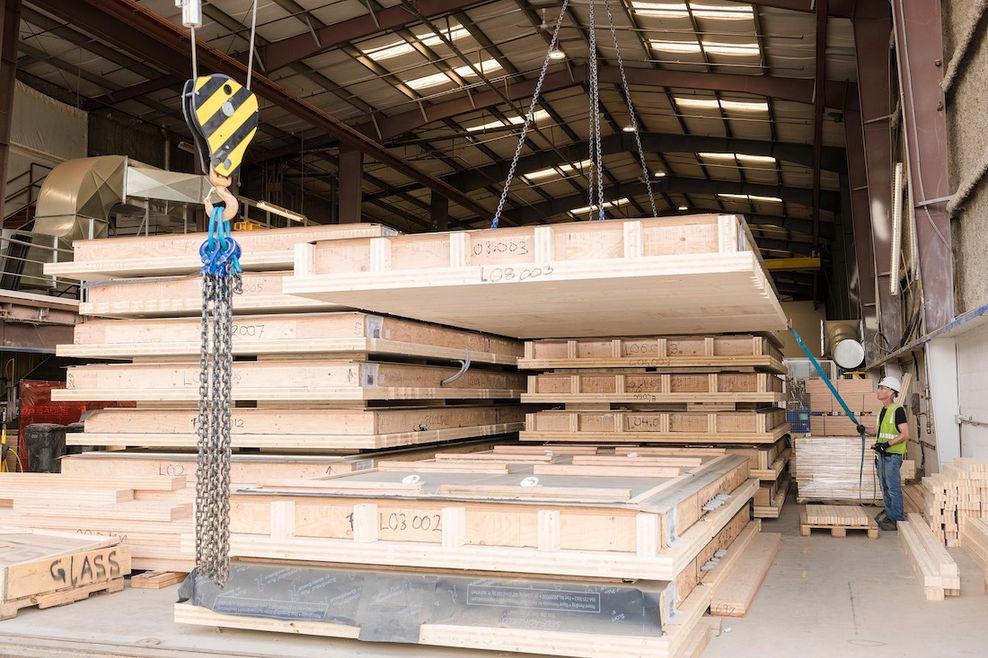
Intelligent City’s prefabricated mass-timber construction factory in Delta, B.C. (Intelligent City)
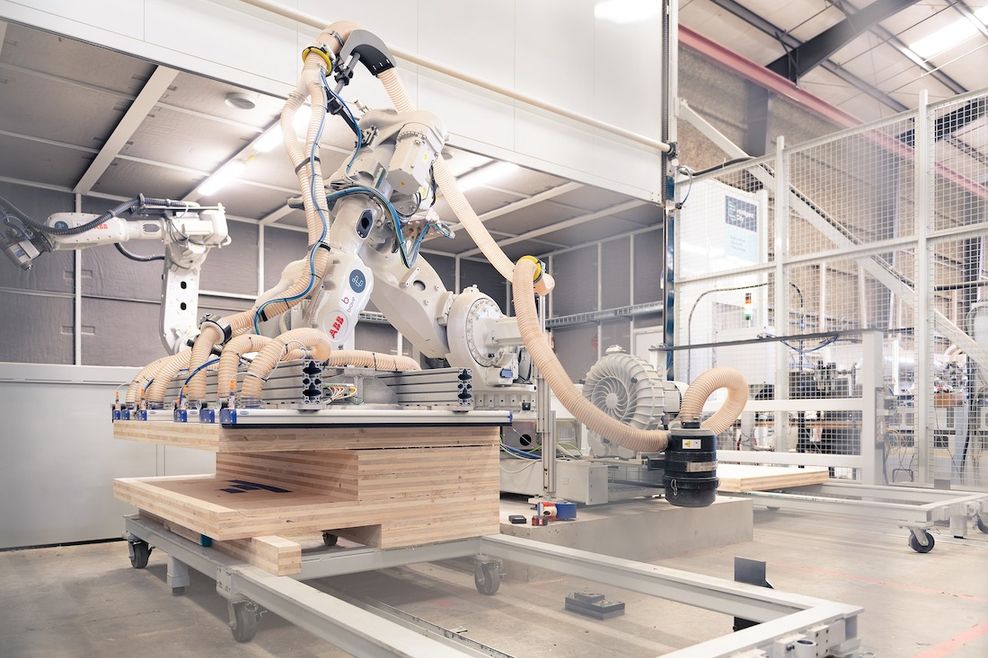
Intelligent City’s prefabricated mass-timber construction factory in Delta, B.C. (Intelligent City)
To unlock the full potential of prefabricated housing, Canada needs an industrial policy that provides predictable demand, modern financing, and updated zoning.
First, governments should publish a multi-year prefabricated housing procurement roadmap. Off-site manufacturing depends on predictable, portfolio-scale demand. A provincial roadmap in British Columbia, for example, that consolidates housing needs across ministries, Crown agencies, and municipalities would give factories the confidence to invest in automation, skilled labour, and supply chains.
Second, the federal government should establish a prefab-ready lending stream within Canada Mortgage and Housing Corporation’s (CMHC) Apartment Construction Loan Program that reflects how factory-built housing is produced.
Aligning loan draws with the factory cycle and rewarding projects that deliver affordability and energy performance would attract mainstream lenders, lower carrying costs, and accelerate purpose-built rental supply. Ottawa has already signalled openness to this approach, and it needs to make it operational.
Third, the federal government should work with the provincial governments to modernize municipal zoning to enable prefabricated housing across communities. Today’s patchwork of local bylaws forces prefabricated builders to redesign the same home for every jurisdiction, inflating costs and creating unnecessary delays.
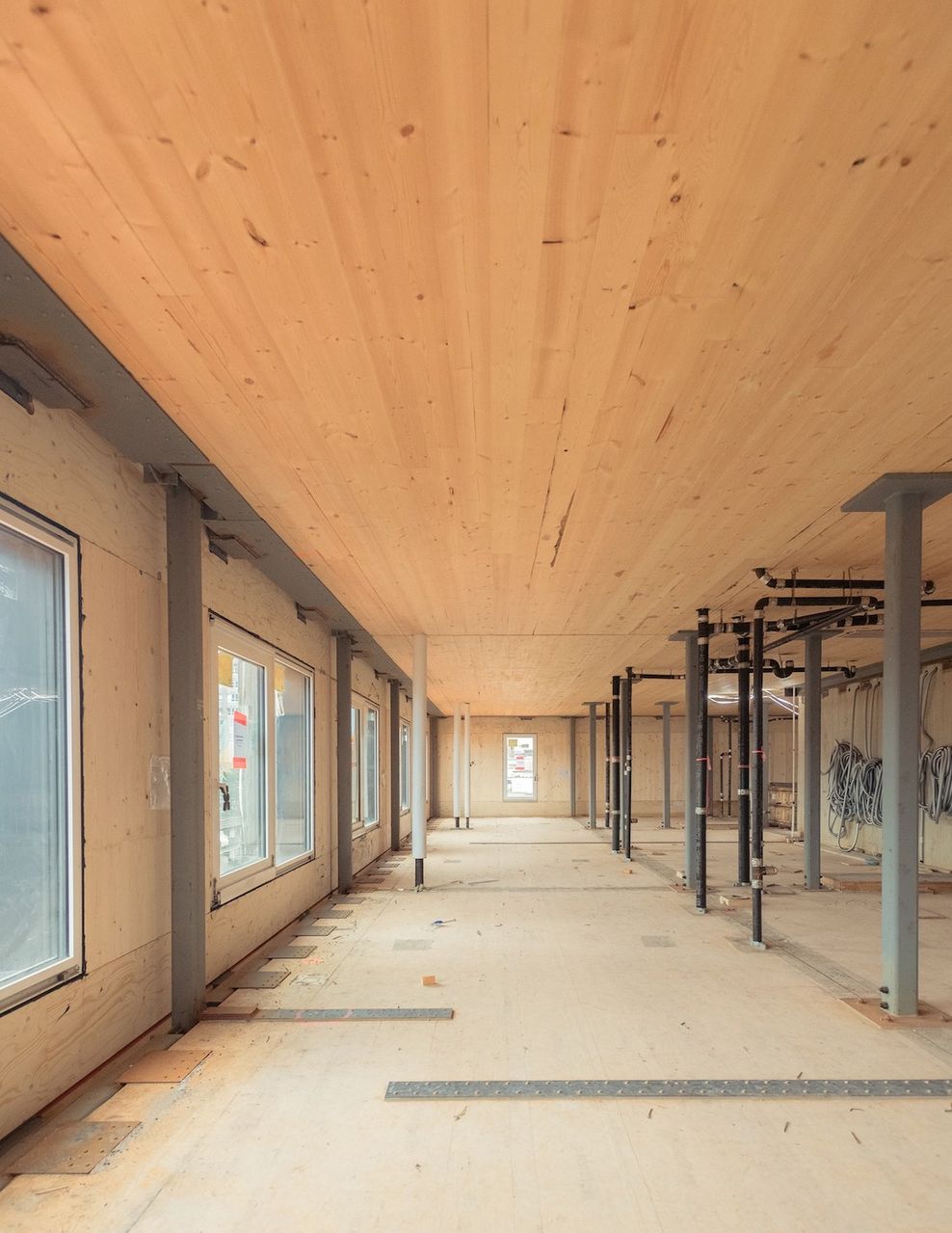
Prefabricated mass-timber construction using Intelligent City’s components from a factory. (Intelligent City)
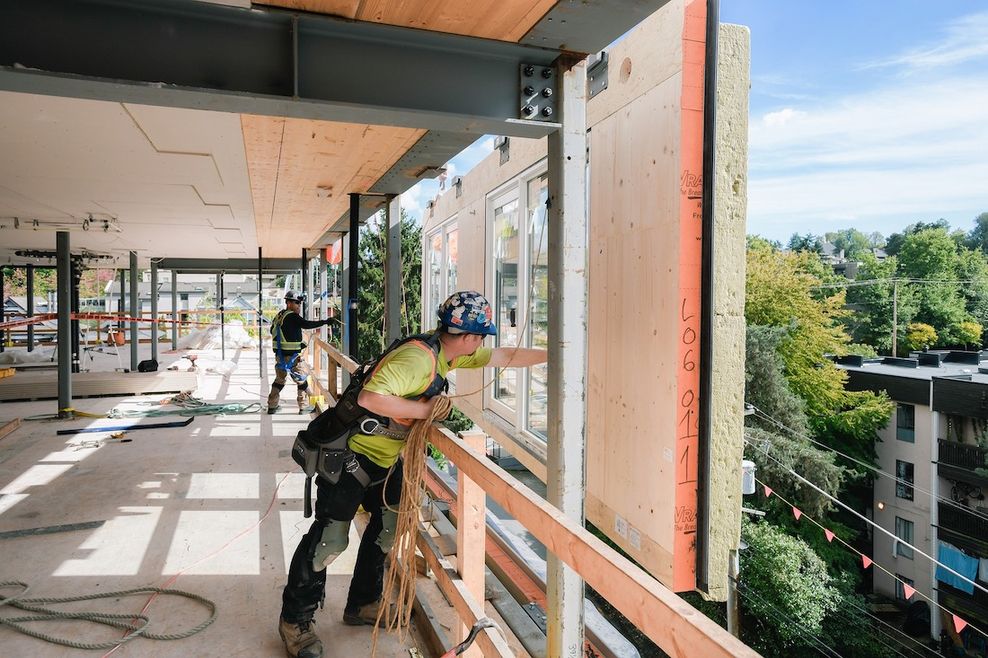
Prefabricated mass-timber construction using Intelligent City’s components from a factory. (Intelligent City)
Policy leadership can address this by standardizing key elements such as lot sizes, heights, densities, and parking ratios so that prefabricated models can be deployed consistently while still allowing local design variation. Streamlined permitting and mutual recognition of factory certifications would further reduce approval timelines without compromising safety or quality.
Together, these measures would accelerate homebuilding while strengthening Canada’s domestic manufacturing base, creating skilled jobs, and ensuring that the homes built to solve the housing crisis are built by Canadians.
It’s time to build housing faster, smarter, and more affordably.
- You might also like:
- Opinion: To tackle the housing crisis, Carney's federal plan must embrace private sector solutions
- Opinion: Who is really standing in the way of Canada's housing affordability?
- Carney launches Build Canada Homes entity with initial $13-billion investment
- Canada needs to sustain record annual housing construction for a decade to improve affordability: federal office