


Container village of 30 'tiny homes' coming to New Westminster site near SkyTrain station


A privately owned, long-vacant property near SkyTrain’s 22nd Street Station in New Westminster is set to become a years-long, temporary “tiny homes” village — as a form of modular transitional housing.
Generally, people who are living in transitional housing were previously experiencing homelessness or in a shelter. The intent of the New Westminster tiny homes village is to provide temporary accommodations until new permanent, purpose-built supportive housing projects are ready.
The village will be located at 502 20th St. on a Fraser River waterfront site immediately east of the Queensborough Bridge — fronted by River Road and Stewardson Way, and adjacent to Canadian Pacific’s railway and heavy industrial and single-family residential uses.
- You might also like:
- B.C. government agrees to close three problematic SROs on Granville Strip
- After rising safety concerns, B.C. government targets supportive housing with stricter controls
- City of Vancouver may double lifespan of temporary modular supportive housing to up to 20 years
- City of Vancouver outlines $1.5 million "tiny shelter" village in False Creek Flats
- Opinion: Refusing change is a choice, and it's keeping the Downtown Eastside in crisis
- Former Vancouver Park Board head appointed as the new city manager of the City of New Westminster
The site is about a 15-minute walk from the SkyTrain station and bus exchange via the BC Parkway’s pathway and the bridge’s direct pedestrian overpass, reaching the public transit hub.
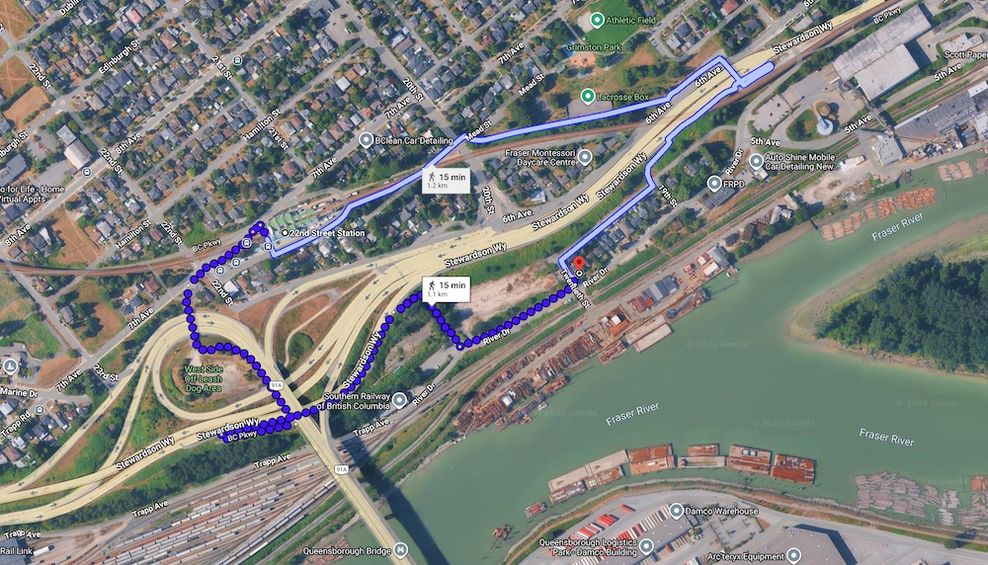
Walking distance from SkyTrain’s 22nd Street Station; site of 502 20th St., New Westminster. (Google Maps)
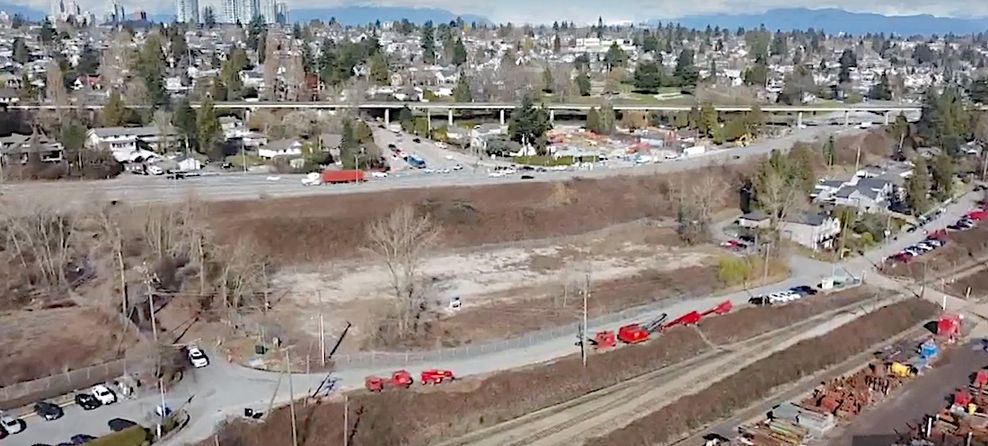
Site of 502 20th St., New Westminster. (Community First New Westminster)
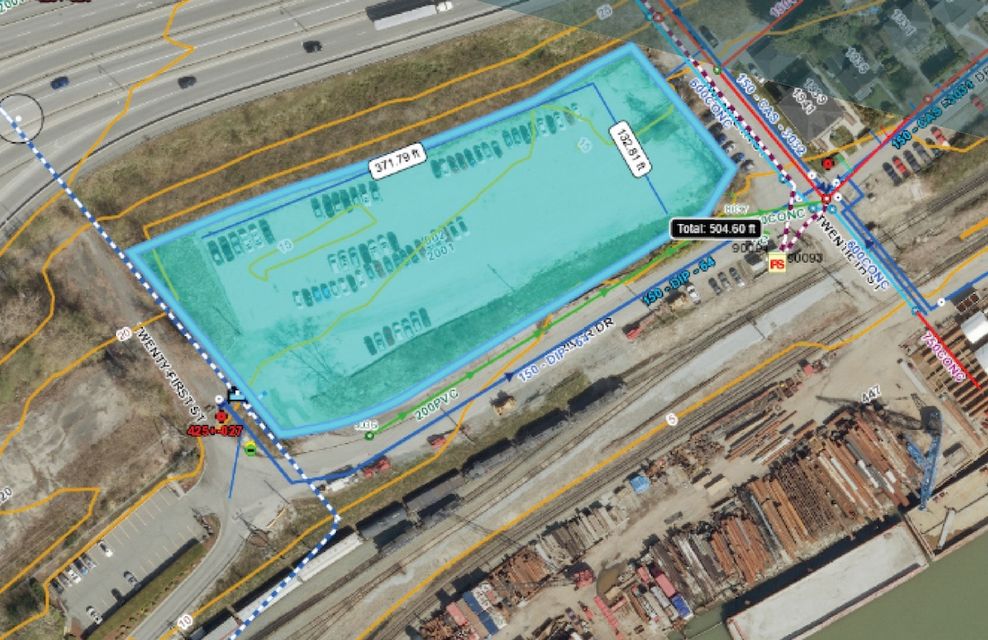
Site of 502 20th St., New Westminster. (BC Housing)
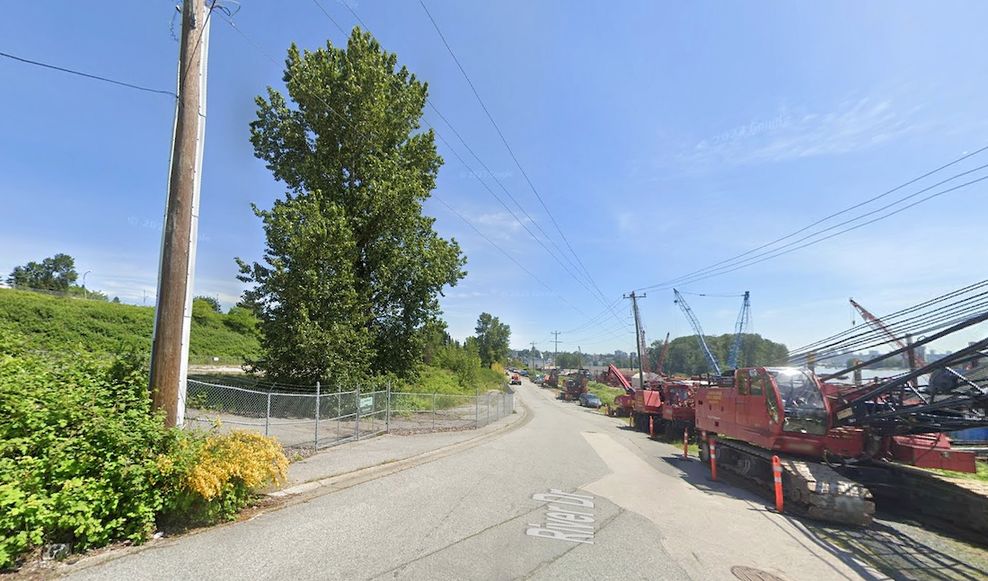
Site of 502 20th St., New Westminster. (Google Maps)
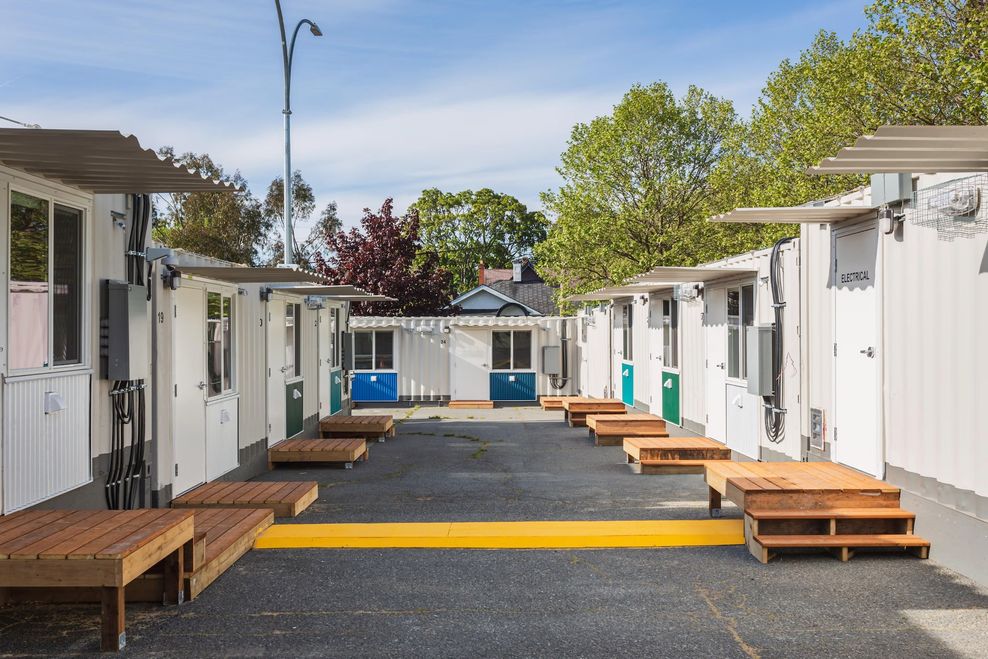
The village’s modular structures will be a reuse of the shipping containers that were originally repurposed for the controversial “Caledonia Place” tiny homes village in Victoria, which closed earlier this winter. The New Westminster iteration will offer the enhancement of shared amenity spaces to “provide more robust services for residents.”
There will be up to 30 single-room units — each with an independent exterior entrance. Each modular unit is roughly 100 sq. ft., and insulated and ventilated. The Victoria iteration provided a bed, a wardrobe, and a fridge.
The village in New Westminster will have shared indoor and outdoor common areas, a central kitchen and dining area, shared washrooms/showers, laundry facilities, and office space for the frontline staff of the non-profit housing operator, which has yet to be chosen. Staff will be on-site 24/7.
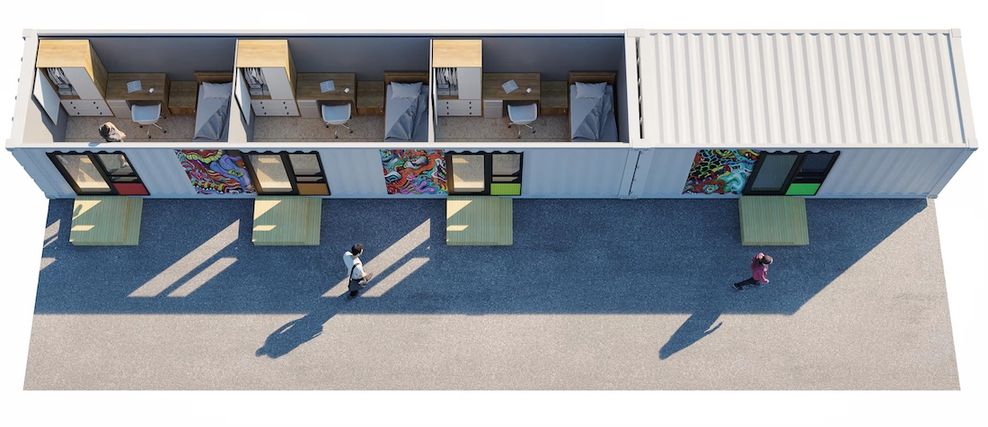
The previous setup for the Caledonia Place tiny homes village in Victoria. (Aryze)
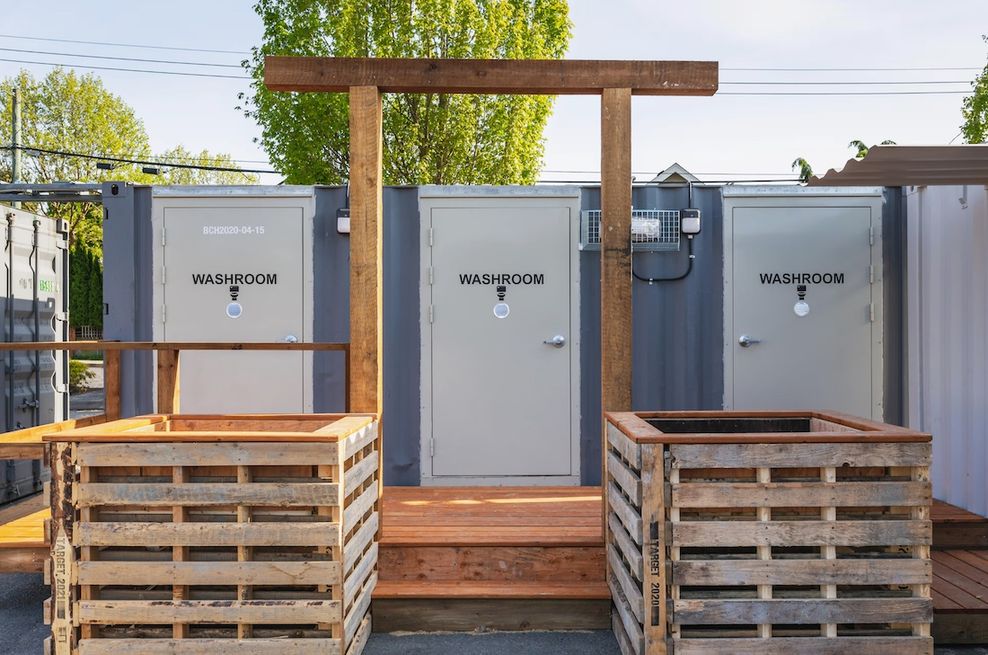
The previous setup for the Caledonia Place tiny homes village in Victoria. (Aryze)
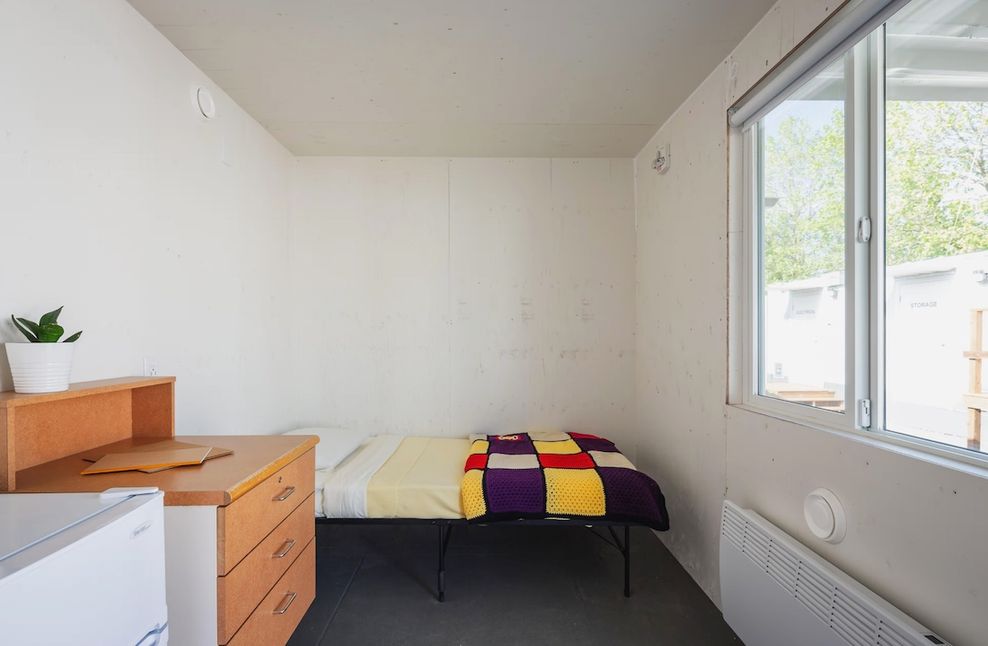
The previous setup for the Caledonia Place tiny homes village in Victoria. (Aryze)
The village will be fully fenced and screened, with gated control access, lighting, and CCTV to reduce the potential impacts on the surrounding neighbourhood.
All residents will apply to live in the village, sign agreements that outline behavioural expectations, and pay rent. BC Housing has noted that priority will be given to local people experiencing homelessness, with residents provided with daily meals, life-skills and employment training, access to healthcare and supports, and connections to community and social services.
The project is being funded and spearheaded by BC Housing through the provincial government’s “HEART & HEARTH” program, with the endorsement of the City of New Westminster, which is also offering up to $500,000 towards the initiative. Due to the municipal government’s “Crisis Response Amendment” bylaw, enabling such a facility at the site does not require any municipal land use change nor application/permit approvals.
The existence of the village will be time-limited to up to six years, with an initial operating term of three years. BC Housing will lease the site.
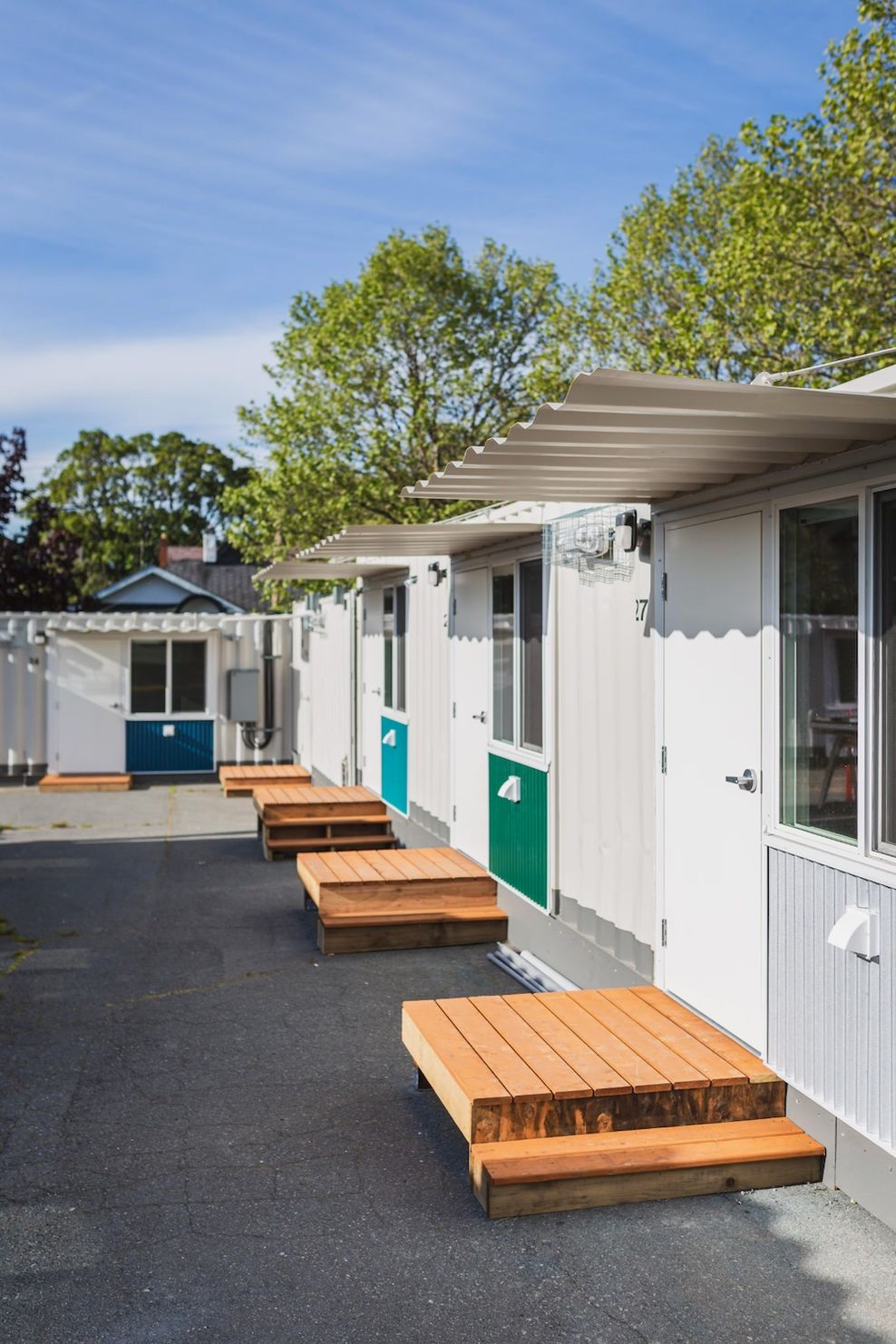
The previous setup for the Caledonia Place tiny homes village in Victoria. (Aryze)
“We’ve heard loud and clear from New Westminster residents that they want to see solutions to homelessness, with governments working together, not making excuses or pointing fingers. I am glad we are able to work with the province to bring this successful model to New Westminster and get people on the path to secure permanent housing,” said New Westminster mayor Patrick Johnstone in a statement last month.
“It’s innovative, it’s a fast fix, and it’s a housing first model that works. When we build homes for unhoused people, it’s good for the entire community.”
The project was first publicly announced in February 2026, with community notification and consultation taking place in March 2026. Site preparation and construction are expected to begin before the end of this month for the completion and opening of the tiny homes by December 2026.
Over its five years of operations, the Victoria location served 150 residents cumulatively.
About three years ago, the City of Vancouver quietly opened its iteration of a tiny homes village, with six single-occupancy units co-located with the homeless shelter at a City-owned property on Terminal Avenue near Home Depot.
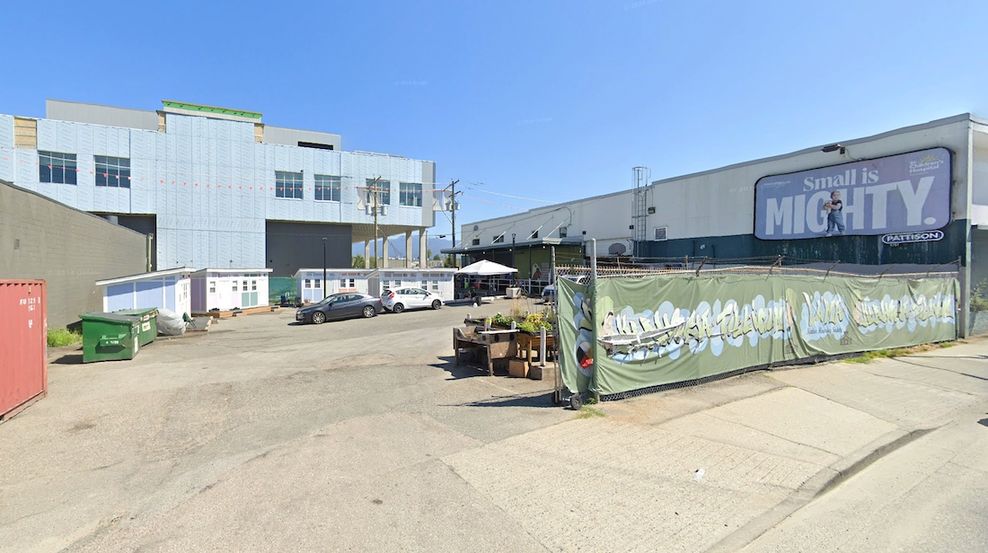
The tiny homes village on Terminal Avenue in Vancouver. (Google Maps)
- You might also like:
- B.C. government agrees to close three problematic SROs on Granville Strip
- After rising safety concerns, B.C. government targets supportive housing with stricter controls
- City of Vancouver may double lifespan of temporary modular supportive housing to up to 20 years
- City of Vancouver outlines $1.5 million "tiny shelter" village in False Creek Flats
- Opinion: Refusing change is a choice, and it's keeping the Downtown Eastside in crisis
- Former Vancouver Park Board head appointed as the new city manager of the City of New Westminster