


Opinion: Simons is best positioned to fill Canada's department store void


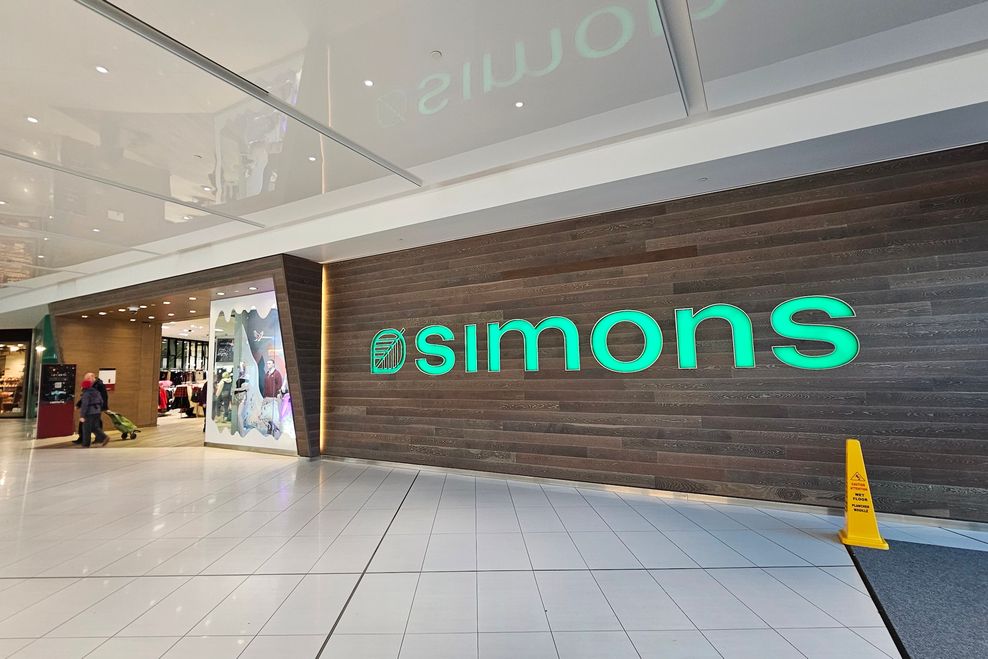
Canada’s department store era did not end all at once. It eroded, chain by chain, decision by decision over the span of decades.
Sears liquidated in 2017 after years of underinvestment and strategic drift, withdrawing from the country and vacating some of the prime locations it had acquired from the Eaton’s chain, shortly after it went under in 1999.
After about a decade of business, Nordstrom exited the Canadian market in 2023, unable to find a path to profitability despite opening in Canada’s top shopping malls, with the CF Pacific Centre mall location in downtown Vancouver being an outlier of exceptionally strong performance.
- You might also like:
- 'Startling' red flag: Why the court rejected Ruby Liu's bid to buy Hudson's Bay leases to open a new department store chain
- Simons and Eataly opening in the former Nordstrom store space in downtown Vancouver?
- Aritzia to open 40,000 sq. ft. Vancouver flagship store at former Nordstrom space
- More than 20 Canadian brands we're loving for the new year
In 2025, Hudson’s Bay Company (HBC) — the last national, full-line department store chain and an institution deeply tied to Canada’s formation — entered creditor protection before liquidating its stores, a finale that felt both shocking and, in its final years, increasingly inevitable.
Three decades ago, HBC had also acquired dozens of store locations from the Woodward’s department store chain, after it went bankrupt.
Each of these demises shares a common thread: mismanagement, a lack of innovation and reinvestment, failure to adopt modern retail trends and best practices, and/or a lack of agility in responding to market and consumer demand.
With those exits, Canadian consumers did not just lose places to shop; they lost the multi-category, discovery-driven experience that department stores once did better than anyone.
To her credit, Ruby Liu appeared to recognize this. For more than half a year in 2025, amid the collapse of HBC, Liu thrust herself into the national spotlight with a widely publicized proposal to acquire dozens of suburban-only HBC leases in an effort to save and reinvent the Canadian department store model — a new chain that would bear her name.
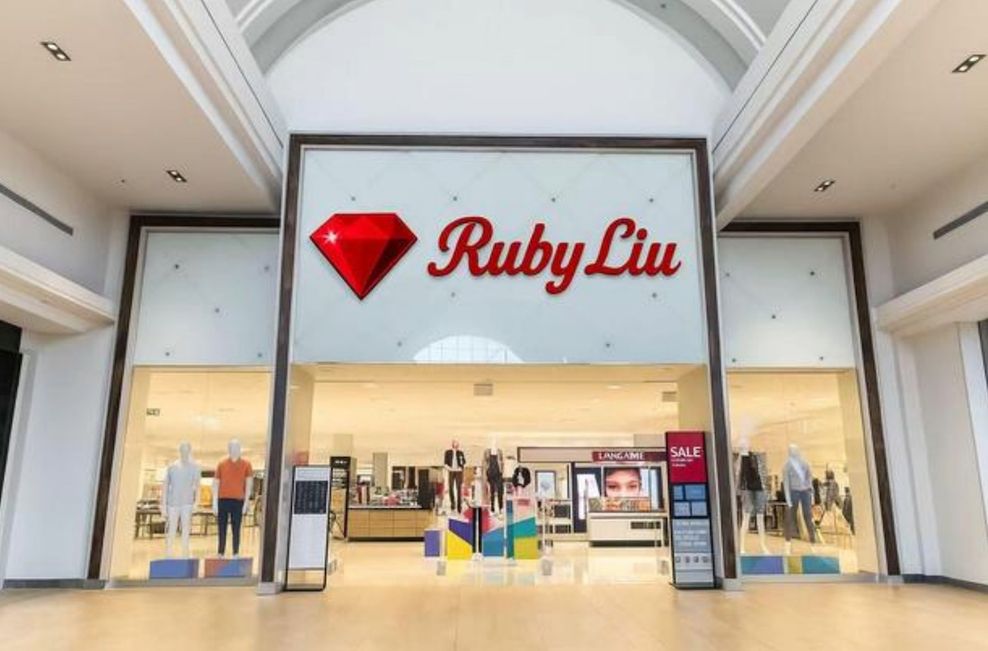
Preliminary concept of the department store named after Ruby Liu. (Central Walk)
Three B.C. leases tied to properties she already owned through her real estate development company were approved by an Ontario judge; however, the broader plan to acquire additional locations was blocked by the court amid growing opposition from landlords, who argued that her business plan lacked credibility and that her team lacked the necessary experience.
The Liu episode also offered a rare, highly public glimpse into the inner workings of the retail industry and commercial leasing, underscoring how difficult it is to reboot a legacy model at speed and from scratch, and without a track record, established supply relationships, or a supportive landlord ecosystem.
While Liu’s bid to become Canada’s next department store chain dominated headlines and consumed much of the public and media discourse over HBC’s exodus, an already well-established player with deep vendor relationships, strong brand equity, and proven operations has received comparatively little attention over the past year for its potential new elevated position in the country’s retail landscape.
In this highly apparent vacuum, one retailer now has the clearest shot at building a modern successor: La Maison Simons, or more commonly simply referred to as Simons.
Because of its relatively limited brick-and-mortar footprint, Simons remains unfamiliar to many Canadians. Yet it is one of the country’s oldest companies and among its longest-standing family-owned businesses. Generations later, the family of founder John Hamilton Simons remains involved in the strategic direction of the business, a structure that has helped the company stay relatively nimble for an enterprise of its scale — unlike organizations with fragmented ownership and governance, where too many decision-makers and owners, shareholders, and/or investors ultimately diluted focus and agility.
I first discovered Simons in Summer 2015 during my first visit to Quebec City, specifically while wandering and exploring Old Quebec City and stumbling upon Simons’ iconic store at 20 Côte de la Fabrique, which is where the company’s headquarters office is also located. Although it has evolved and grown in size over time, this store has existed at the same location since 1870, which itself was a relocation of the first store that opened in the city in 1840, when the company was first founded.
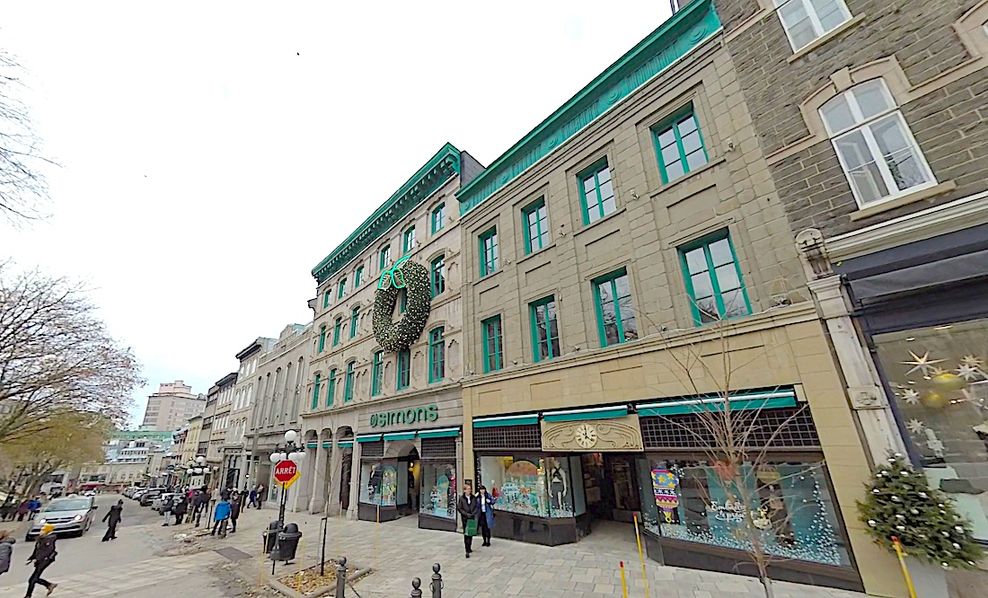
Simons’ historic flagship store and headquarters office at 20 Côte de la Fabrique in Old Quebec City. (Simons)
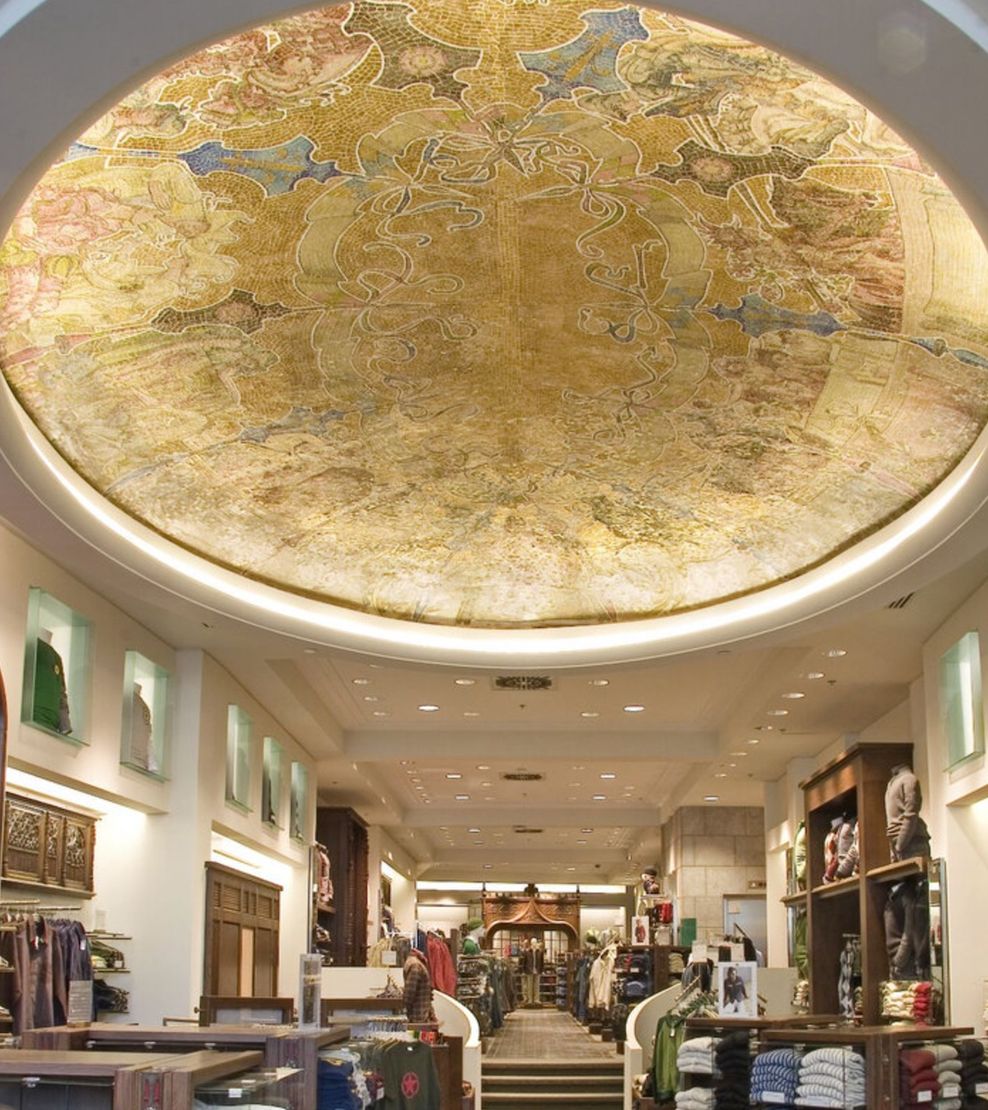
Simons’ historic flagship store and headquarters office at 20 Côte de la Fabrique in Old Quebec City. (Simons)
Simons did not begin to take its current form of being a fashion-oriented department store until after the Second World War, fuelled by the growing economy and changes in consumer demand. For the first century, the business was merely a small dry goods retailer.
That summer revealed a breadth, range, and quality that made the retailer’s potential impossible to ignore, convincing me that it was a deeply underrated player.
More than a decade later, right now, Simons has the real estate opportunity to become Canada’s next great multi-category chain, provided it scales deliberately and keeps its identity intact — its strong corporate culture and product engine.
If you have never been to a Simons, think of it as a hybrid of Uniqlo, Primark, Gap, Banana Republic, COS, H&M, H&M Home, Zara, Nordstrom, and Holt Renfrew.
La Maison Simons… it’s quite possibly the most underrated retailer: a hybrid of Uniqlo, H&M, Zara & Nordstrom. But I’m so tired of going all the way to Park Royal for my @Simons fix. They would do so well in downtown Vancouver, Oakridge, Metrotown and/or CF Richmond Ctr. pic.twitter.com/iFnmn7Jble
— Kenneth Chan (@iamkennethchan) December 27, 2022
Consumers have not necessarily stopped wanting an experience all under one roof, but they no longer accept outdated stores, muddled assortments, and inconvenient locations. The opportunity is there for a retailer that can deliver breadth without bloat and value without sameness.
There is room for a retailer that gives customers plenty of options without excess, and strong value without becoming boring or repetitive.
Simons currently sits in a strategic sweet spot, with offerings spanning upper low-tier through mid-tier into lower upper-tier apparel (for men, women, and children) and home.
It blends major established international third-party brands with its own portfolio of owned labels — Simons’ in-house labels that provide both quality and value, such as Twik, Icone, Contemporaine, Le 31, Miiyu, I.FIV5, Djab, and Edito. This kind of structure has been a major advantage for retailers around the world because it enables a better management of profit margins, balances the considerations of basics and trends, and moves more quickly in response to market demand, according to a 2021 retail analysis by McKinsey & Company.
This means retailers like Simons do not have to completely rely on external suppliers and brands. Furthermore, these are brands that cannot be found elsewhere.
Simons has a curated wide assortment of third-party brands — everything from BOSS to Gucci and Saint Laurent to Versace — that fulfill its overall upper-tier offerings and provide technical niches.
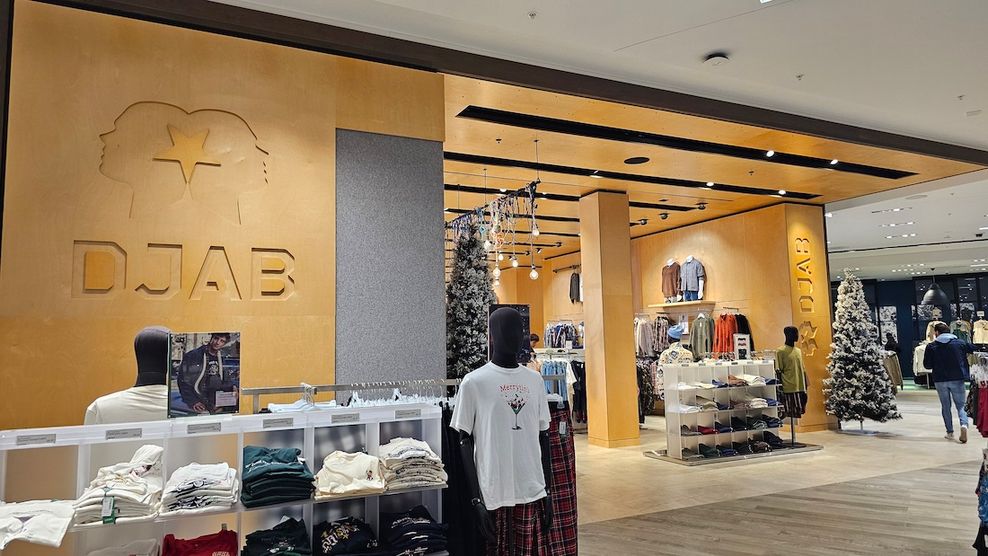
Simons at Park Royal, West Vancouver. (Kenneth Chan)
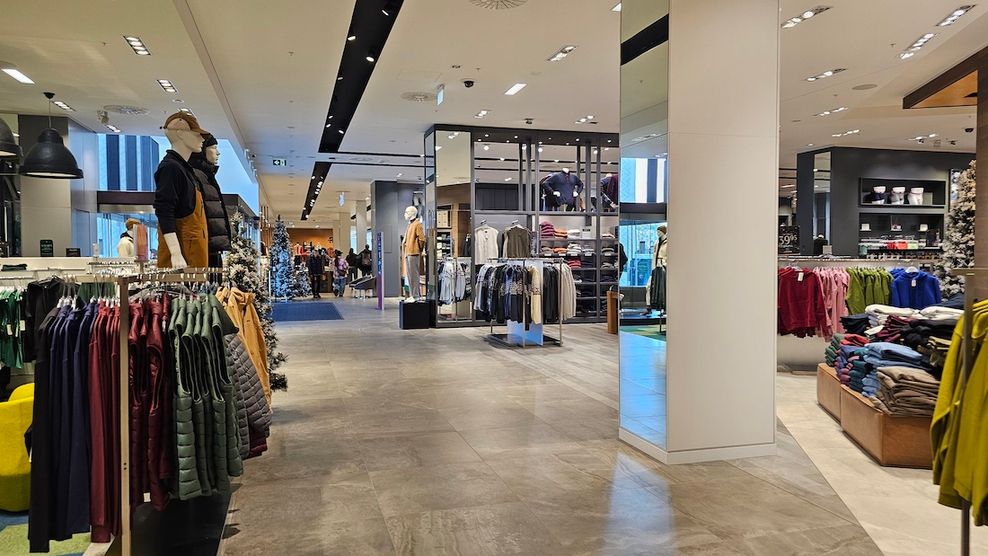
Simons at Park Royal, West Vancouver. (Kenneth Chan)
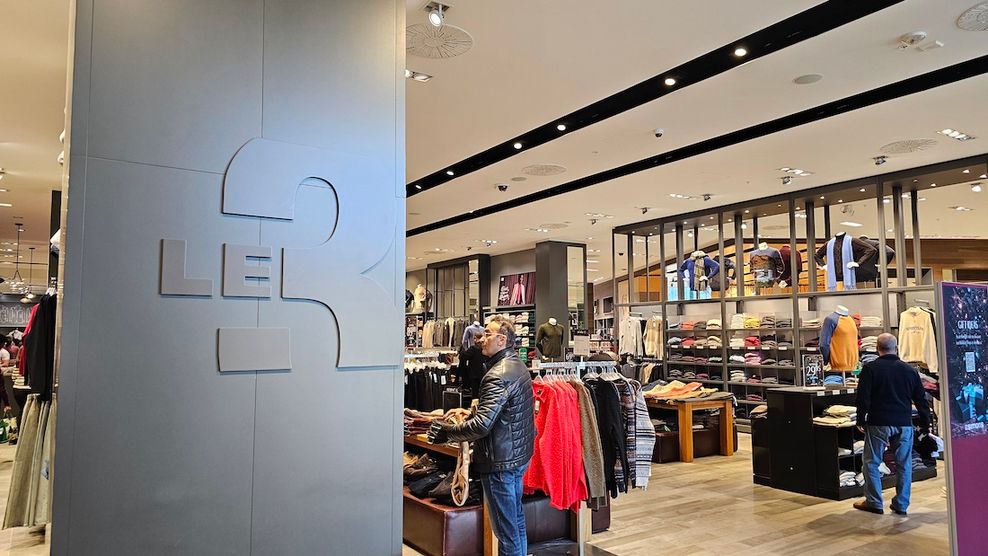
Simons at Park Royal, West Vancouver. (Kenneth Chan)
In addition to fashion, Simons also has meaningful homeware, bedding, and bath merchandise — categories that department stores traditionally dominated, and are now largely absent following the demise of HBC, Home Outfitters, and Bed Bath & Beyond.
All of this is further supported by Simons’ friendly, high-quality in-store customer service and a strong e-commerce business, underpinned by significant investments in optimizing its distribution and logistics operations.
But for all of its merchandising strengths, Simons has historically lacked enough suitable brick-and-mortar retail locations that are centrally and prominently located.
The company’s national reach remained extremely limited until 2012, when it opened its seventh department store at West Edmonton Mall — its first location outside the province of Quebec. Prior to that milestone, Simons’ store expansion had been confined to Quebec, with only modest growth beyond Quebec City beginning in the late 1990s.
In 2014, after the apparent success of the new location at Canada’s largest mall, the chain announced it would open five additional locations, including stores serving the Metro Vancouver, Calgary, Greater Toronto, and Ottawa markets.
As of today, Simons has now grown to a total of 19 locations in B.C., Alberta, Ontario, Quebec, and Nova Scotia. Half of these locations are in Quebec.
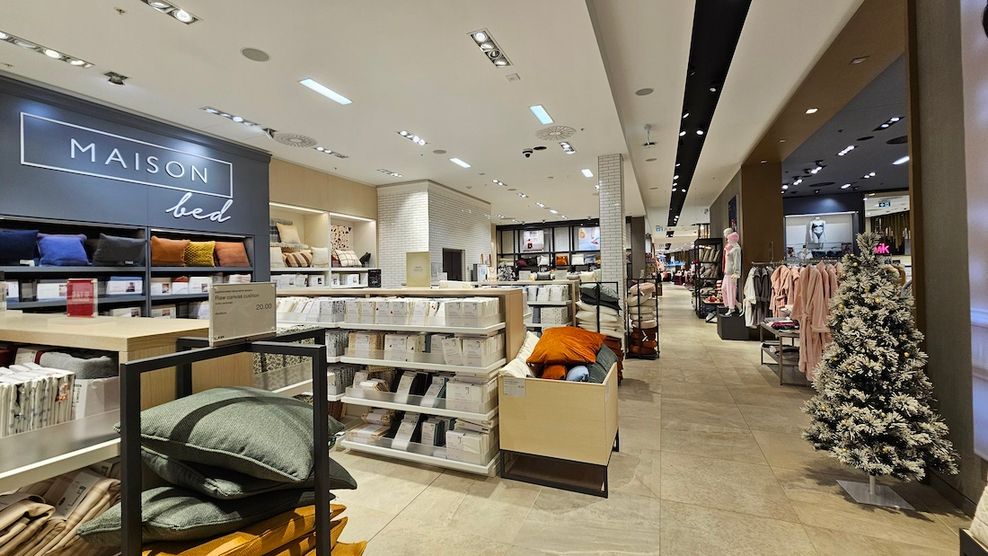
Simons at Park Royal, West Vancouver. (Kenneth Chan)
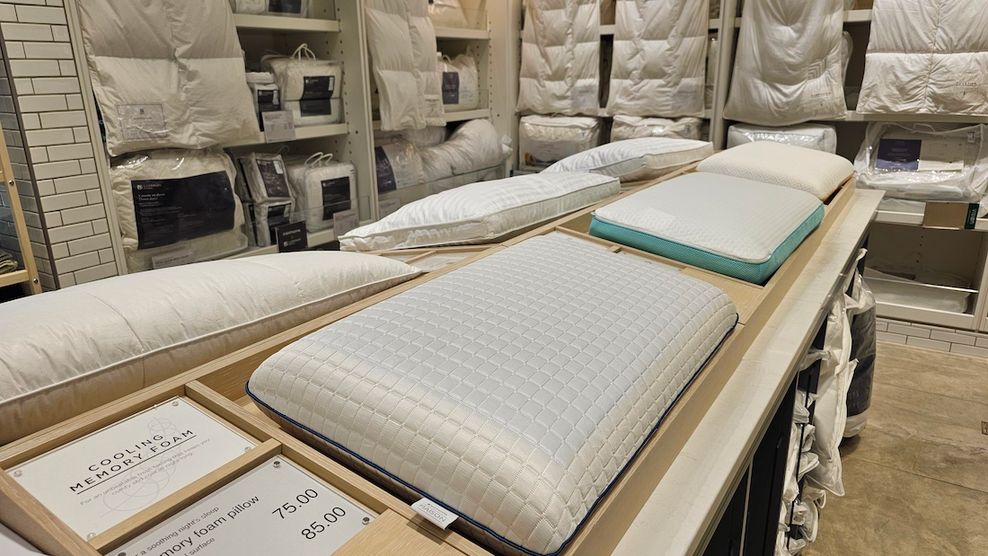
Simons at Park Royal, West Vancouver. (Kenneth Chan)
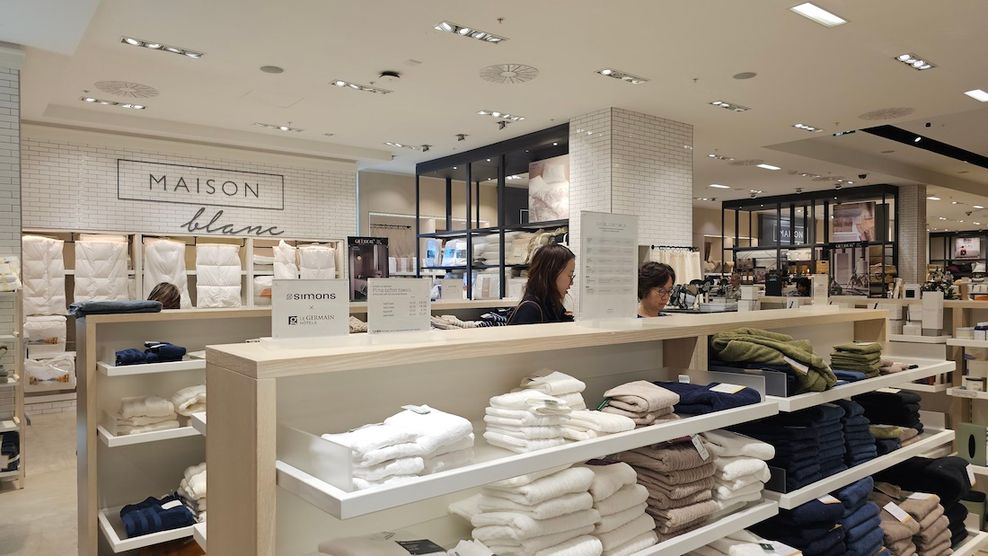
Simons at Park Royal, West Vancouver. (Kenneth Chan)
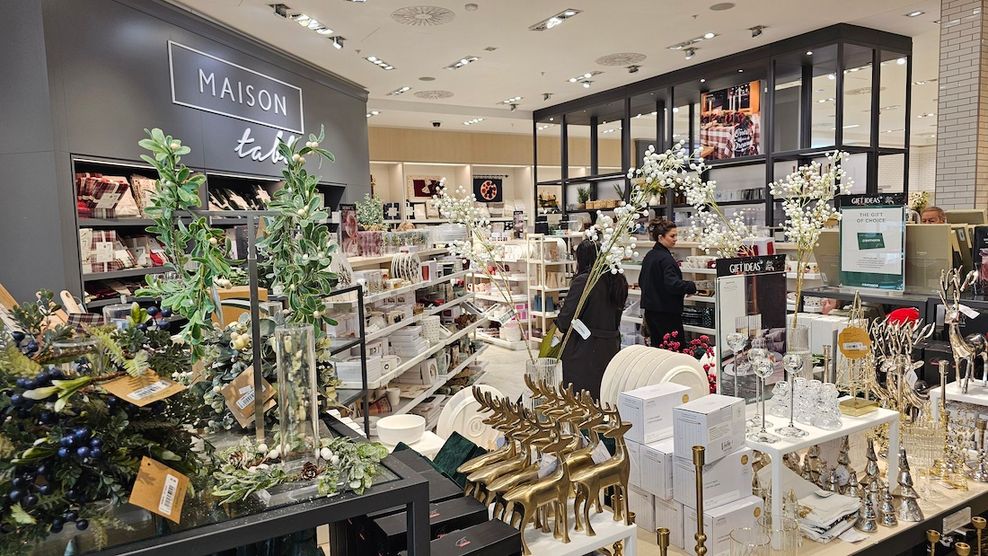
Simons at Park Royal, West Vancouver. (Kenneth Chan)
Its newest locations opened in Summer 2025 — a $75-million investment to refit the former Nordstrom spaces at CF Toronto Eaton Centre mall in downtown Toronto and Yorkdale Shopping Centre mall in the outskirts of Toronto, both of which are highly prominent retail locations and some of the country’s most high-performing retail centres. That willingness to spend on flagship commercial retail real estate while others retrench matters.
The closures of Nordstrom and, more recently, HBC opened up large spaces in top-tier malls and city-centre locations — spaces that are normally extremely hard to secure. In retail, gaining access to such sites is often opportunistic by nature, not unlike a vulture circling after an animal’s collapse.
But by taking over these locations and designing them thoughtfully, Simons can create the large, visually compelling stores that modern department stores need today.
In 2026, Simons is expected to formally announce its much-anticipated plan to open a flagship store in downtown Vancouver, reconfiguring a major portion of a former department store building owned by the same landlord as the downtown Toronto mall. This store would join the recently announced 40,000 sq. ft. Aritzia flagship, set to open in 2027, along with other yet-to-be-announced flagship locations from two globally-renowned Japanese and Spanish fast-fashion retailers within this downtown Vancouver mall building at the northwest corner of the intersection of Robson and Granville streets.
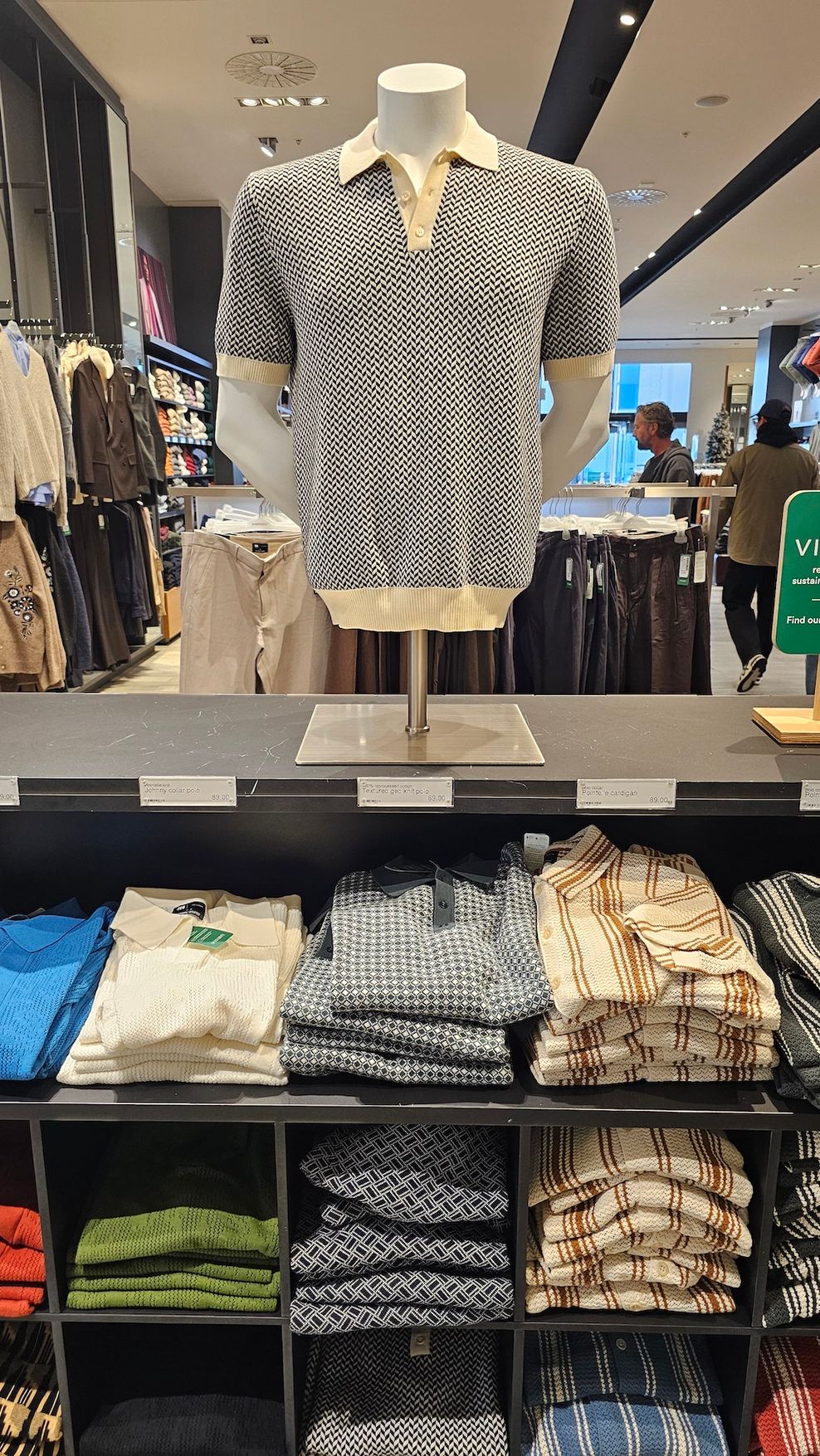
Simons at Park Royal, West Vancouver. (Kenneth Chan)
Simons at Park Royal, West Vancouver. (Kenneth Chan)
Curiously, a decade ago, Simons decided to open its first physical presences in Canada’s key markets of Metro Vancouver and Greater Toronto within less-than-optimal suburban locations.
Metro Vancouver’s first and only Simons store opened in October 2015 at Park Royal mall in West Vancouver. Although it is relatively close to downtown Vancouver as the crow flies, this 100,000 sq. ft. store has never fully served the broader regional market due to its geographic location and the North Shore’s transportation constraints — particularly the psychological barrier created by crossing the congested and unreliable Lions Gate Bridge.
Then in 2016, Simons opened its first Greater Toronto store at Square One Shopping Centre — a 110,000 sq. ft. store about one hour outside of downtown Toronto.
But with the recent opening of its downtown Toronto store and the anticipated launch of a downtown Vancouver location, Simons’ apparent shift toward flagship-calibre expansion prioritizes centrally-located, high-traffic urban retail destinations — a strategy that should further entrench its brand in the consciousness of both Canadians and introduce it to visiting foreigners. This would truly elevate it to a national brand.
Aside from the downtown Toronto store, Simons currently also has locations in Canada’s major downtowns in Calgary, Ottawa, and Montreal.
After establishing the right flagship presences, Simons should then carefully rollout more complementary suburban locations in metropolitan regions with a downtown flagship and at highly strategic locations and at select city centres in smaller metropolitan regions — but without over-expanding, which is a vitally important consideration given Canada’s structural economic challenges and reduced consumer demand and spending over the short- and medium-term.
Economic headwinds combined with bloat have been contributing factors to the downfall of previous Canadian department store chains.
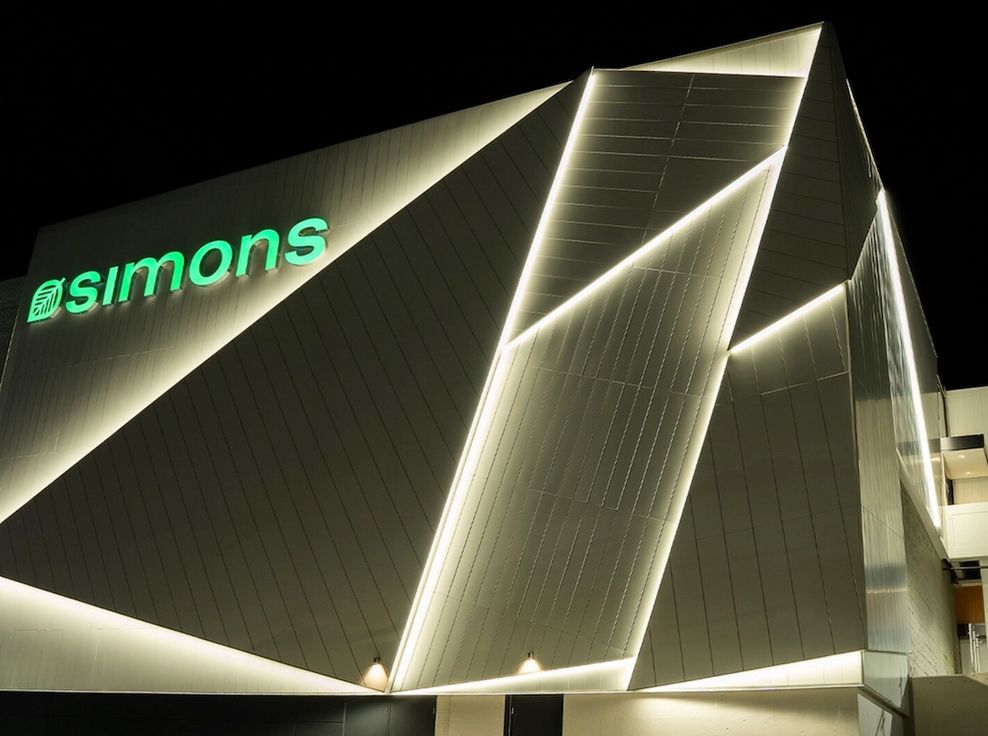
Simons
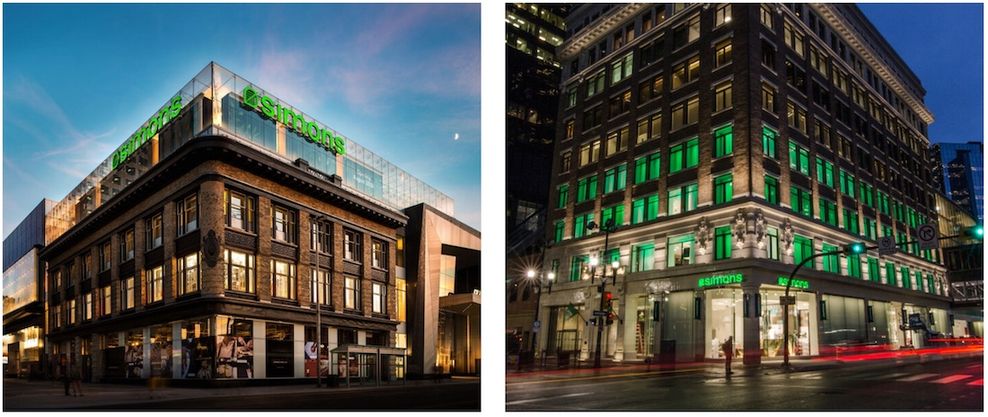
Simons
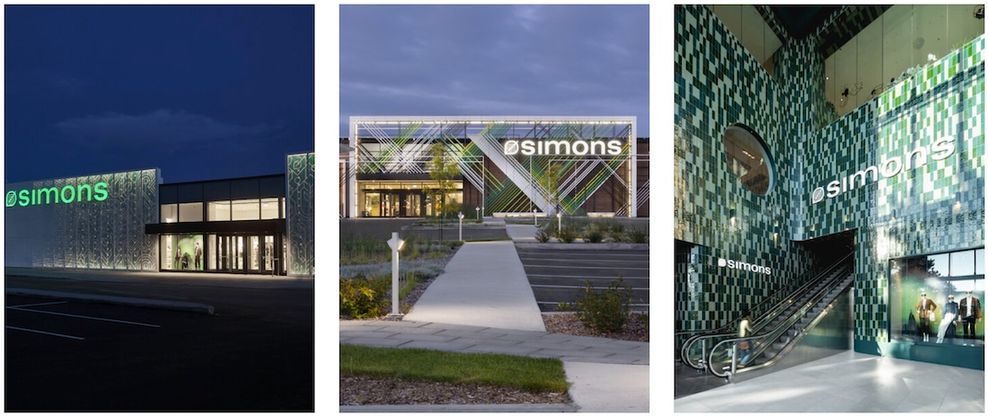
Simons
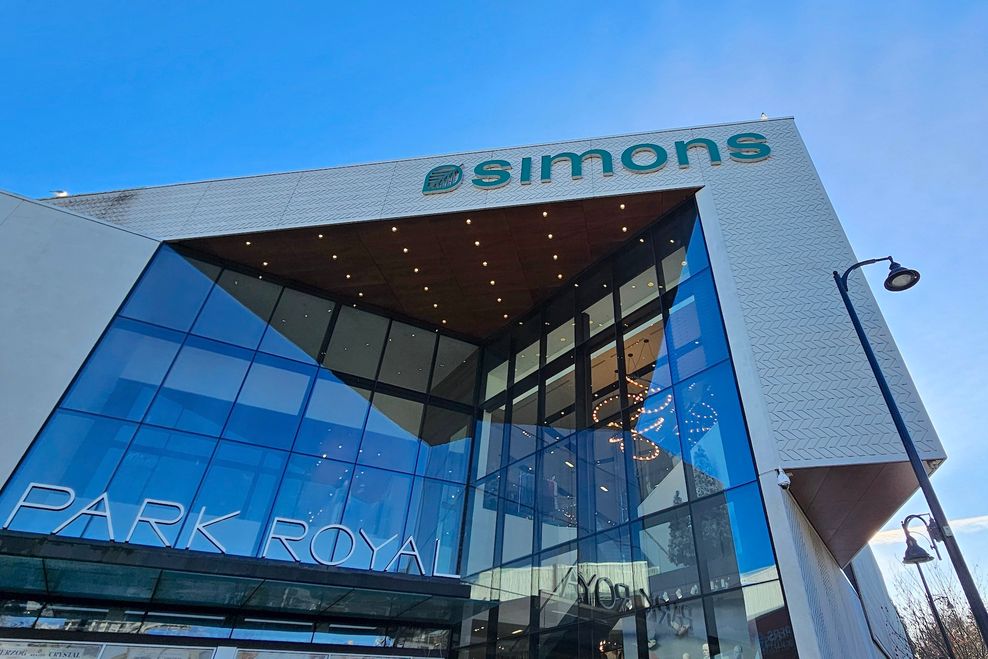
Simons at Park Royal, West Vancouver. (Kenneth Chan)
Above all, quality should not only be maintained but enhanced, and should never be secondary to quantity — whether measured by the number of locations or by individual store size.
Over the past decade, as Simons has expanded outside Quebec, its store sizes have generally ranged between roughly 80,000 sq. ft. and 120,000 sq. ft. One recently-opened store exception is its Halifax location, which opened in 2024 at a suburban mall and spans approximately 56,000 sq. ft. — reflecting both its suburban location and the smaller overall size of the metropolitan region.
Traditional department stores each spanning hundreds of thousands of square footage akin to the largest locations of HBC, Nordstrom, and Sears are now in the rear mirror of Canada’s retail trajectory.
Even HBC was trying to move in this general direction with its flagship locations in its final years, but the effort proved too little, too late. In 2022, HBC unveiled a high-density, mixed-use redevelopment proposal for its downtown Vancouver flagship that would have reduced the store footprint from 650,000 sq. ft. to a comparatively more efficient 350,000 sq. ft., concentrated within the lower floors of the complex. The new store in the heritage podium would have featured a narrower assortment and a stronger emphasis on quality, organized around a large central atrium that also doubled as a flexible space for events and activations.
HBC’s downtown Vancouver redevelopment concept was to be replicated at other strategic flagship locations in the country.
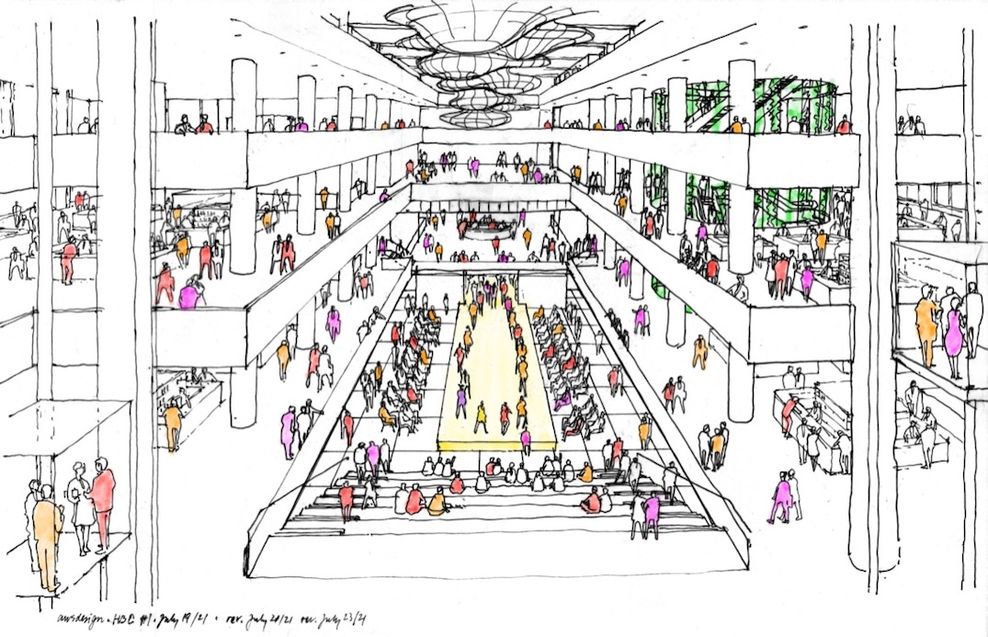
Artistic rendering of the redevelopment of Hudson’s Bay’s Vancouver flagship store at 674 Granville St. (Perkins & Will/Streetworks Development/Hudson’s Bay Company)
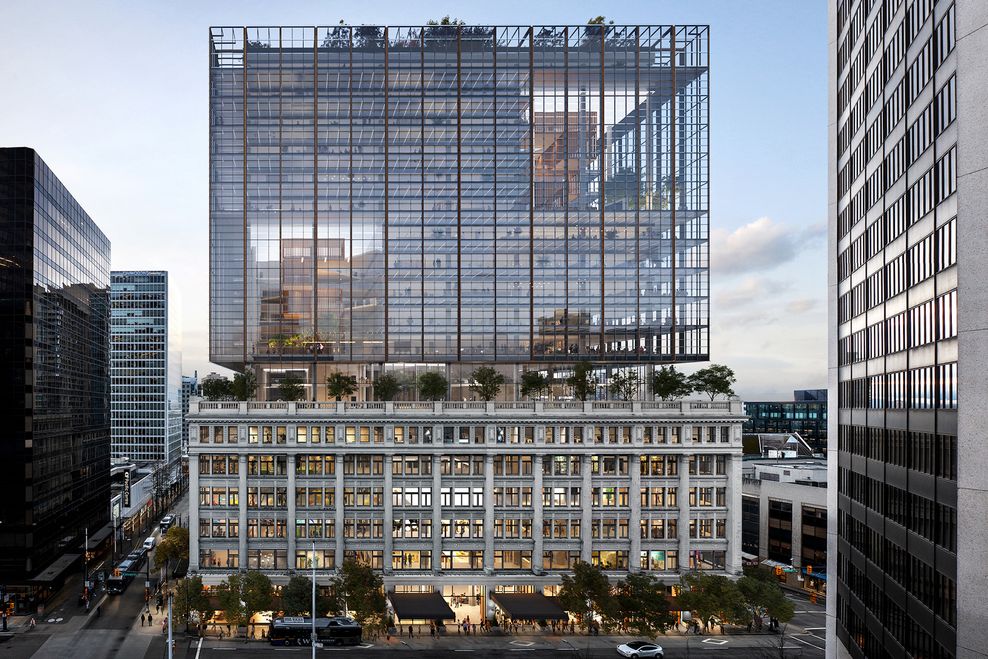
2022 artistic rendering of the redevelopment of Hudson’s Bay’s Vancouver flagship store at 674 Granville St. (Perkins & Will/Streetworks Development/Hudson’s Bay Company)
Beyond its positioning as a curator — rather than a warehouse — of apparel and home goods, Simons places a strong emphasis on an immersive retail experience. Its contemporary interior store design incorporates a distinct local character at each location, often expressed through commissioned public art, including both permanent installations and temporary works on exhibit.
For instance, the Park Royal store boasts a giant “Bow Tie” sculpture, suspended high above the location’s main atrium, designed by prominent B.C.-based artist Douglas Coupland. Prior to the pandemic, it also had an in-store cafe, which has since been replaced by a shoe department.
At the new CF Toronto Eaton Centre location, large-scale art is integrated throughout the space, including murals, paintings, sculptures, and digital pieces by various Canadian artists. Displayed along the store’s “Walk of Frames,” the artwork is woven into walls, staircases, and open areas, making the store feel more like a gallery than a typical mall retailer.
These are all extras to the in-store services Simons is known for, including complimentary alterations and fittings.
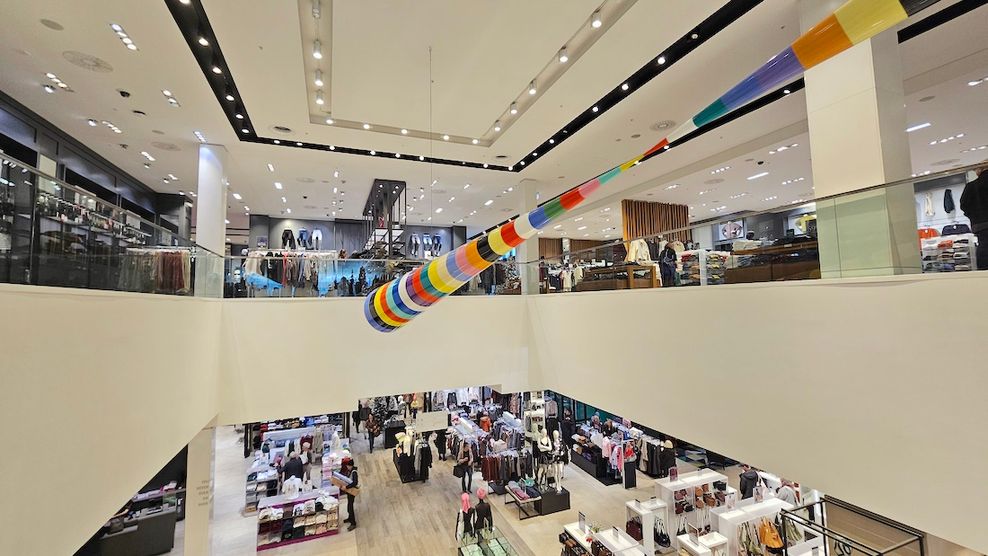
Simons at Park Royal, West Vancouver. (Kenneth Chan)
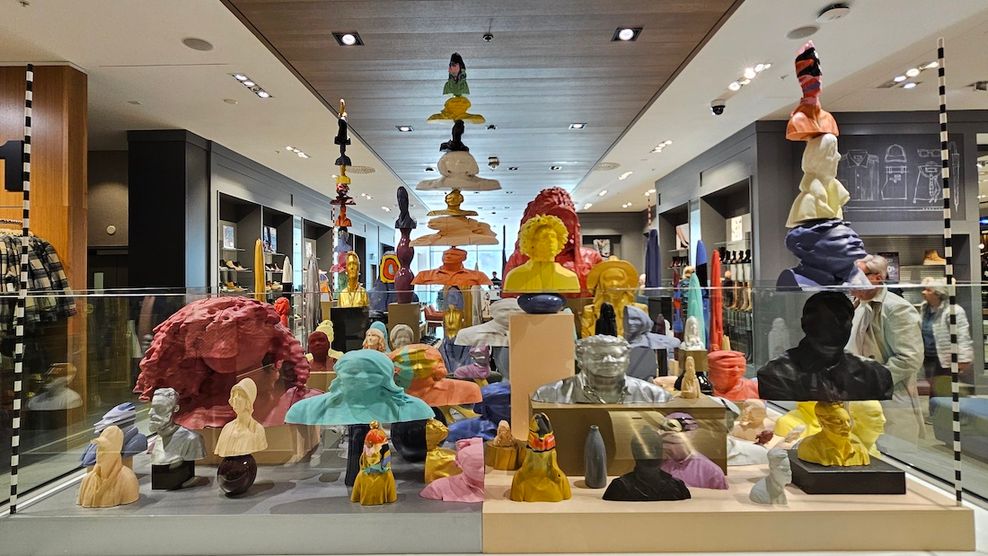
Simons at Park Royal, West Vancouver. (Kenneth Chan)
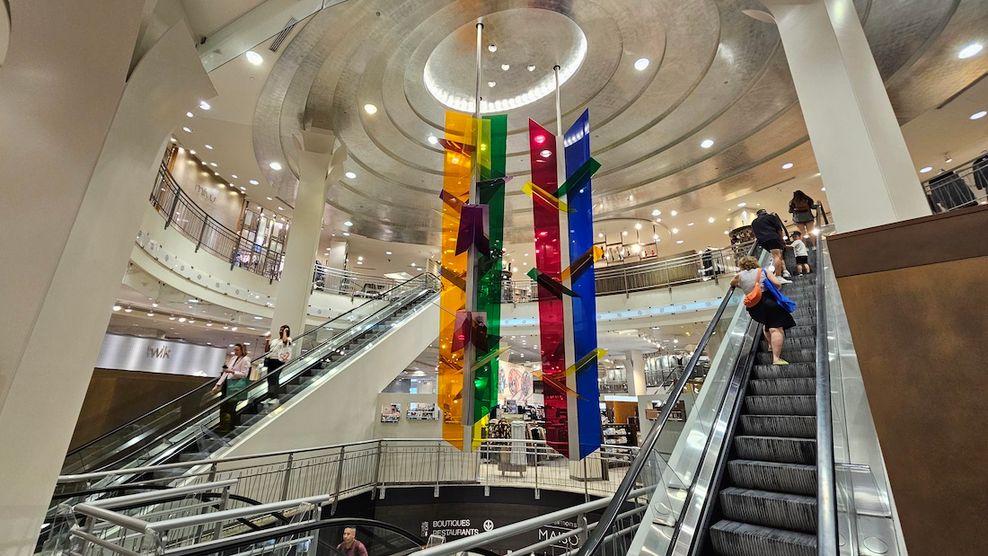
Simons in downtown Montreal. (Kenneth Chan)
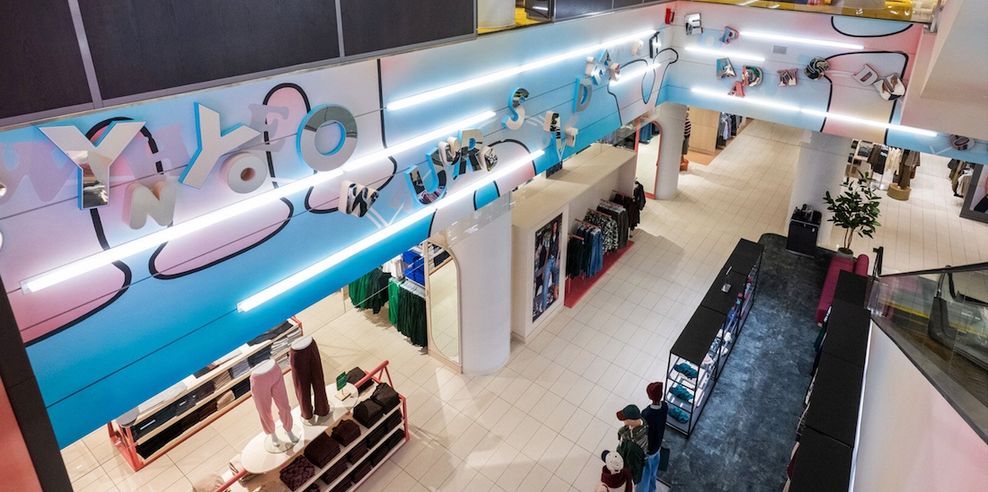
Simons at CF Toronto Eaton Centre in downtown Toronto. (Simons)
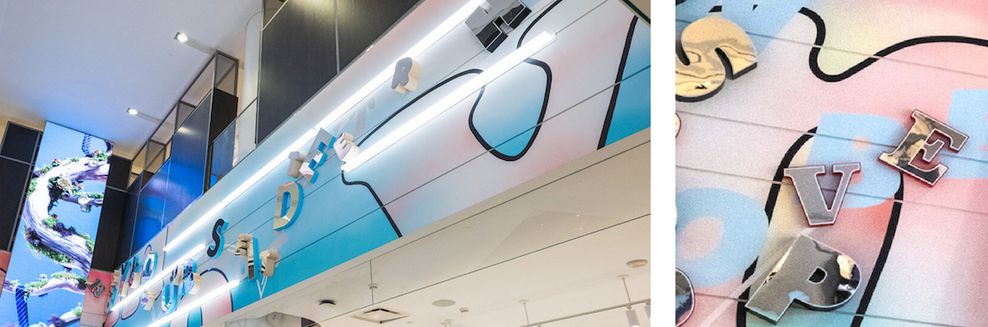
Simons at CF Toronto Eaton Centre in downtown Toronto. (Simons)
With Sears, Nordstrom, and HBC out of the picture, the path is open for a national standard-bearer that feels modern, Canadian, and inclusive — and all of this already describes Simons.
The risk, as always in retail, is trying to do too much too fast. Success can tempt a company to expand beyond what it can manage well. But if Simons sticks to opening a small number of strong flagship stores, keeps its product mix relatively tight, and focuses on making stores enjoyable and useful to visit, it has a real chance to make the department store feel relevant again for a new generation of Canadians.
Albeit there are some economic headwinds, the timing also works in its favour in terms of real estate. Some of the best retail spaces are newly available, commercial rents are seeing some downward pressure, mall owners are looking for reliable long-term anchor tenants, and shoppers still want a place where they can find different categories in one stop — without feeling overwhelmed or wasting time.
Unlike last year’s attempt by an unproven entity, Simons stands out as the retailer with the trust — and now the momentum toward securing the prime locations — needed to make this happen.
- You might also like:
- 'Startling' red flag: Why the court rejected Ruby Liu's bid to buy Hudson's Bay leases to open a new department store chain
- Simons and Eataly opening in the former Nordstrom store space in downtown Vancouver?
- Aritzia to open 40,000 sq. ft. Vancouver flagship store at former Nordstrom space
- More than 20 Canadian brands we're loving for the new year