


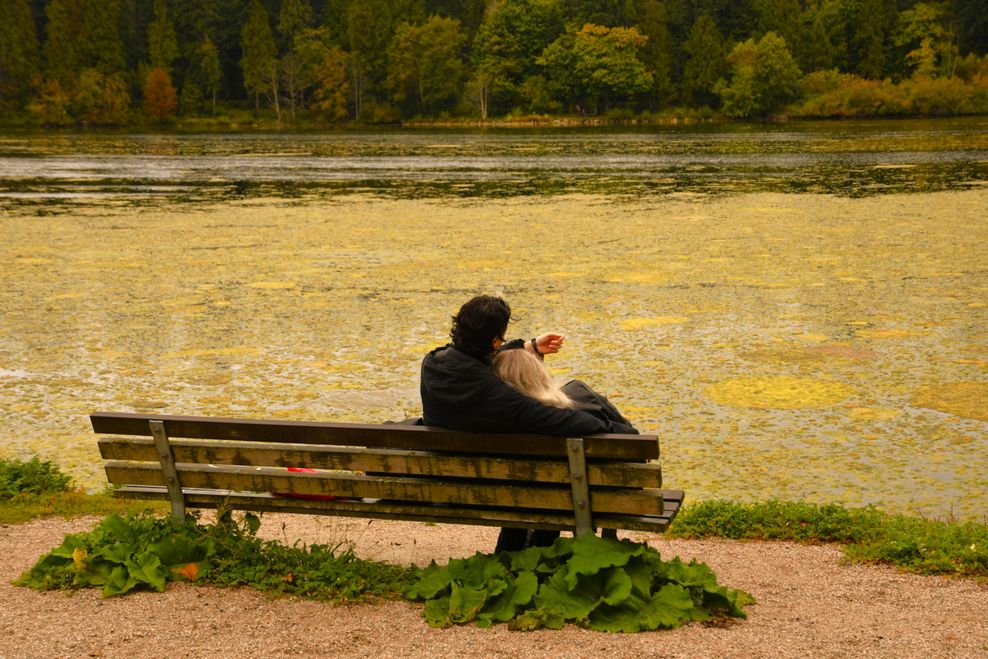
A $30-million plan to restore the Lost Lagoon in Stanley Park and reconnect it to the tidal ecosystem has taken an important step forward.
Daily Hive Urbanized reported on the proposal earlier this month, which is based on a Park Board staff report recommendation.
According to Park Board staff, the change would address long-standing environmental issues that have emerged after more than a century of isolating the lagoon from its natural marine ecosystem.
The concept would reintroduce daily tidal flushing from Coal Harbour and English Bay into the Lost Lagoon for the first time since the early 20th century.
Last night, the Park Board endorsed future exploratory work to reconnect the lagoon and improve its ecological health. The Park Board says that over a century of infilling, the lagoon has experienced a growing bloom of algae, combined with worsening water quality, harming its aquatic and plant life.
A 2018 survey revealed that most of the lagoon is less than a metre deep.
Park Board Chair Tom Digby said that thousands of visitors come to the area every year.
“But with algae blooms and fish die-off becoming an increasingly regular occurrence, it’s important we act now and explore long-term solutions for the area’s ecological health,” Digby said.
Digby added that important conversations still need to take place and that the work won’t happen overnight, while still calling the endorsement an “exciting next step” in the Park Board’s commitment to restoring the lagoon.
The Park Board says that a redesigned lagoon would create channels and tidal habitat that have fluctuating depths.
“During periods of low tide, visitors to Lost Lagoon might see bird-rich mud flats, while during high tide, the area could appear more marsh-like,” the Park Board suggests.
Other potential new features could include approximately 140,000m² of restored habitat and 2,000m of shoreline. The Park Board suggests a new and improved lagoon could also see the removal of the existing concrete edges and reuse of dredged material to form “more dynamic natural landscapes and intertidal habitats.”
There could also be more viewing opportunities at low tide.
The next steps include staff engaging with possible funding partners and regulatory agencies, as the project isn’t currently funded. Staff are also exploring potential funding streams.
The Vancouver Park Board also told Daily Hive Urbanized that there’s currently $200,000 in available funding to advance the design to a level that’s suitable for grant applications, refine cost estimates, create a phasing plan, and seek the necessary approvals and partnerships.
With files from Kenneth Chan