


TransLink property tax revenue to reach $709 million in 2026 with rate increase


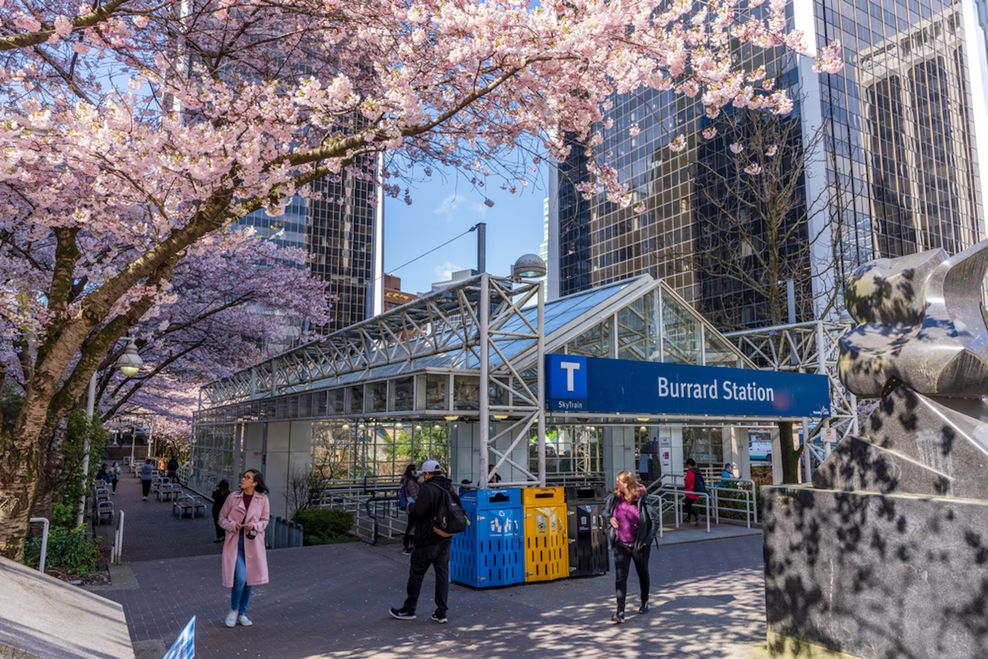
The property tax rate paid by Metro Vancouver residential and business properties to support the region’s public transit system will see an increase in 2026.
Earlier this week, during a public meeting, TransLink’s board of directors approved a statutory property tax rate increase of three per cent, which maximizes the annual increase limit in accordance with the provincial legislation that governs the public transit authority.
There is a 1.15 per cent additional annual increase to the standard property tax revenue, and a 2.71 per cent increase for annual development growth.
This is expected to result in a total 2026 property tax revenue of $709 million, plus about $18 million from the fixed replacement tax.
According to TransLink, the average residential property will see a $35 property tax increase — a seven per cent year-over-year increase — while the average business property will see an increase of about $41 or a year-over-year increase of 0.8 per cent.
The property tax is TransLink’s largest operating revenue source, raking in $665 million in 2025. This is followed by $573 million from regular public transit fares, $383 million from TransLink’s gas tax, $139 million from special programs and unconventional fares like the U-Pass, and $102 million from TransLink’s parking tax.
There have been higher rates of increases to fares and the various taxes in recent years to avoid drastic cuts to public transit service levels, increase services to reduce congestion and overcrowding, and fill in a large portion of TransLink’s structural operating deficit.
During the same public meeting earlier this week, TransLink’s board of directors also approved a five per cent increase to fares starting on Canada Day 2026, plus the first-ever increase to the Canada Line’s YVR AddFare — rising by 30 per cent by $1.50 from $5.00 to $6.50 for outbound single-trip fares leaving Vancouver International Airport. This follows 2025’s fare increase of four per cent. However, smaller annual increases of two per cent are planned starting in 2027.
TransLink staff also shared that public transit ridership was down slightly in 2025 due to slower population growth due to the federal government’s immigration policy changes, which particularly led to fewer young adults riding the system.
The provincial government is expected to introduce legislation to provide TransLink with a new major additional revenue source beginning in 2028.
- You might also like:
- TransLink fares to rise by an average of five per cent starting on Canada Day 2026, plus first-ever YVR AddFare hike
- Why does the $5 'AddFare' exist on the Canada Line for trips from Vancouver airport?
- TransLink ridership sees decline in 2025 due to population growth slowdown, including fewer young adults
- The 15-year plan to overhaul TransLink's bus route network in Vancouver, Burnaby, and New Westminster
- TransLink seeks public input on long-term plan to improve bus route network in Surrey and Langley