


Soaring gas prices lead to call from B.C. union for full-time work from home


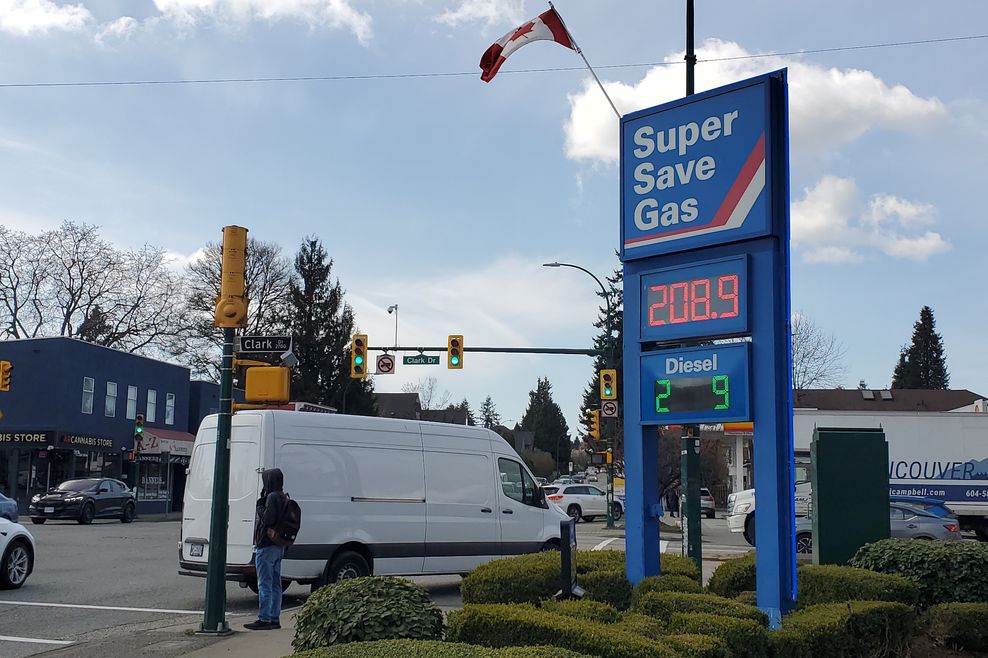
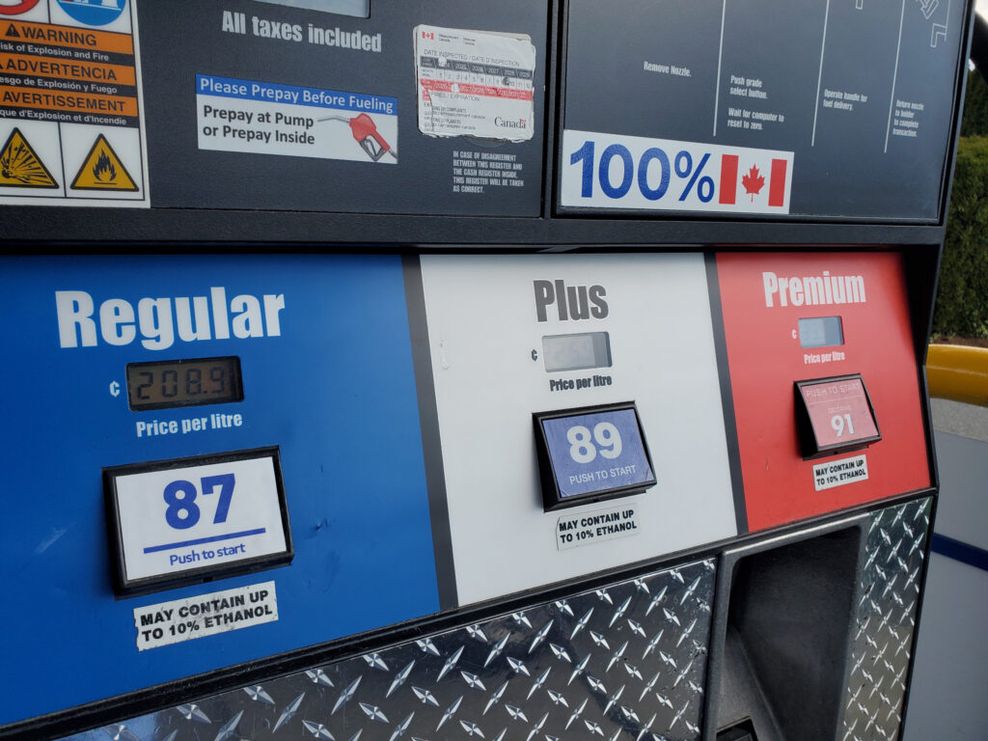
As gas prices across Metro Vancouver continue to rise with no relief in sight, one B.C. union is calling on the province to allow its employees to return to full-time work from home.
The BC General Employees’ Union (BCGEU) issued the appeal to help provincially regulated employees conserve fuel and save on the cost of gas.
“The increasing price of gas places an undue burden on workers across the province,” said BCGEU President Paul Finch in a release.
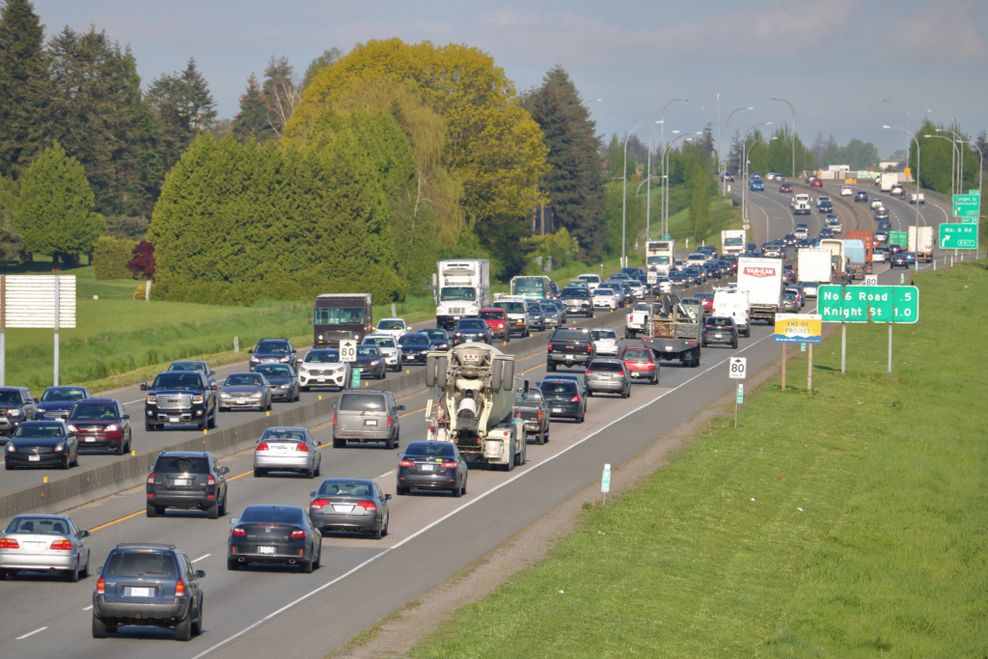
“The provincial government has an opportunity to help alleviate that burden by allowing workers the flexibility to work from home. In addition to lessening the pain workers are feeling at the pump, this move would help reduce emissions and congestion.”
Eric Buermeyer/Shutterstock
- You might also like:
- B.C. university gets top marks in new ranking of world's best schools
- B.C.'s top diversity employers revealed and they're hiring with great benefits
- Harbour Air unveils historic B.C. expansion including brand-new routes
According to analysis from GasBuddy, drivers can expect gas prices to continue going up.
“At this point, we’re continuing to see these prices increase,” said Matt McClain, a petroleum analyst with GasBuddy.
The BCGEU, one of the largest unions in B.C., also called upon the government to explore options for temporary relief for workers who travel extensively for work.
These include home support and community outreach workers who may not have many options for public transportation if fuel prices stay sky high.
“Various levels of government need to put their heads together to deal with affordability,” Finch told Daily Hive in an interview. “People are feeling it, and if it continues, it will become more of a problem.”
BCGEU represents over 95,000 members, including nearly 35,000 public service workers.
Daniel Chai/Daily Hive
A spokesperson for the Ministry of Finance told Daily Hive that the BC Public Service has a well‑defined approach to flexible work.
“[It] allows employees, on a voluntary basis, to work remotely up to full-time where it is operationally feasible and mutually agreed to by the employee and employer,” said the ministry spokesperson.
“As of January 2026, 70% of BC Public Service employees have telework agreements in place. Ministries have the discretion to determine the extent to which they adopt flexible work arrangements within their specific operational contexts, with service to British Columbians remaining the highest priority.
Finch said that while it’s important to give the provincial government some credit, there is still more work that needs to be done.
“There are some good work-from-home arrangements,” the BCGEU president added. “We want to solidify those, and we think the govt should expand them, especially during this affordability crisis and especially when productivity is not an issue.”
As the Iran war disrupts supply chains, Vancouverites can expect their grocery bills to climb.

Denys Kurbatov/Shutterstock
“When you increase the cost of shipping, that cost will be reflected in what we’ll be paying on the grocery store shelves, among all other commodities,” McClain said.
Commodities that require more frequent shipments, like never-frozen meats, dairy, or produce, “are a little bit more sensitive to shipping increases” and go up in price quicker than shelf-stable items, like canned goods.
“That’s not to say that those also won’t be impacted. It just takes, usually, a little bit longer,” McClain said.
Do you agree that workers should be able to work from home, where possible? Are you feeling the financial pinch from the rising gas prices in Metro Vancouver? How are you being impacted by the rising gas costs?
Let us know in the comments or get in touch at vancouver@dailyhive.com.
With files from Hanna Hett.